

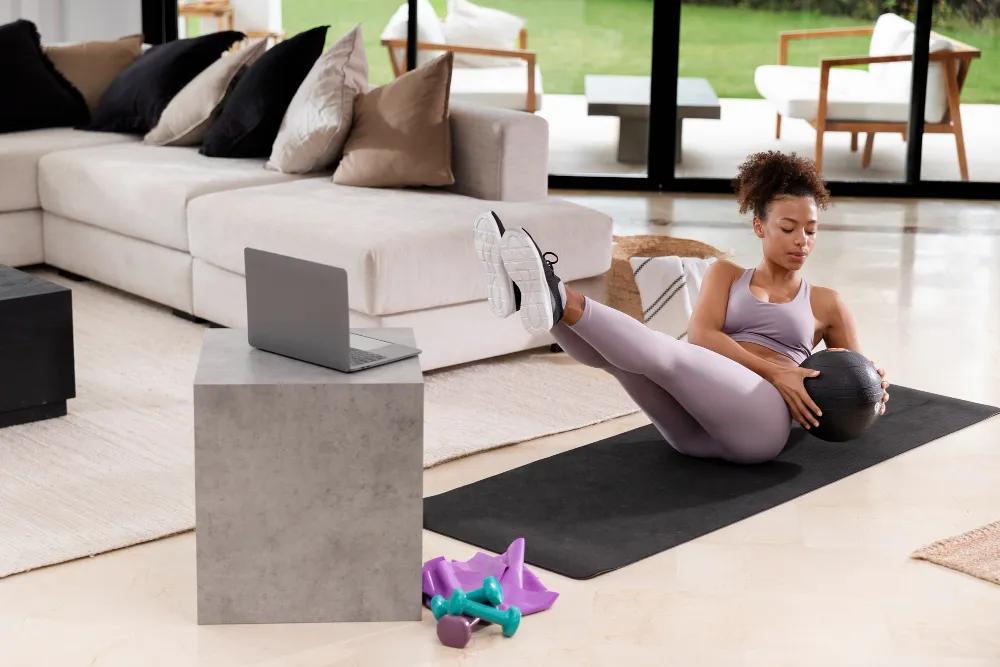
For millions of professionals, the daily tug-of-war between career demands and personal health feels unwinnable. Early mornings vanish into commutes, lunch breaks shrink under deadlines, and by evening, the idea of driving to a crowded gym seems almost laughable. Traditional fitness routines were designed for people with predictable schedules—a luxury most of us no longer have. Enter the portable home gym system: a category of equipment engineered to collapse the entire gym experience into a single, compact device you can store under your bed or slide behind a door. These systems blend advanced resistance technology with digital coaching, eliminating the classic excuses of insufficient time, limited space, and prohibitive cost. They represent more than a trend; they signal a fundamental rethinking of how and where we train. But the question remains—can one streamlined piece of equipment genuinely replace racks of machines and stacks of free weights to deliver a complete, progressive workout? The answer may reshape your fitness routine entirely.
What is a Portable Home Gym System? Beyond the Basics
A portable home gym system is a single, integrated piece of equipment designed to deliver dozens—sometimes hundreds—of distinct exercises through one compact frame. Unlike a set of dumbbells that serves only pressing and curling, or a resistance band that offers limited load progression, these systems combine multiple training modalities into a unified device. Think of them as the Swiss Army knife of strength training, engineered to fold, slide, or disassemble for effortless storage when not in use.
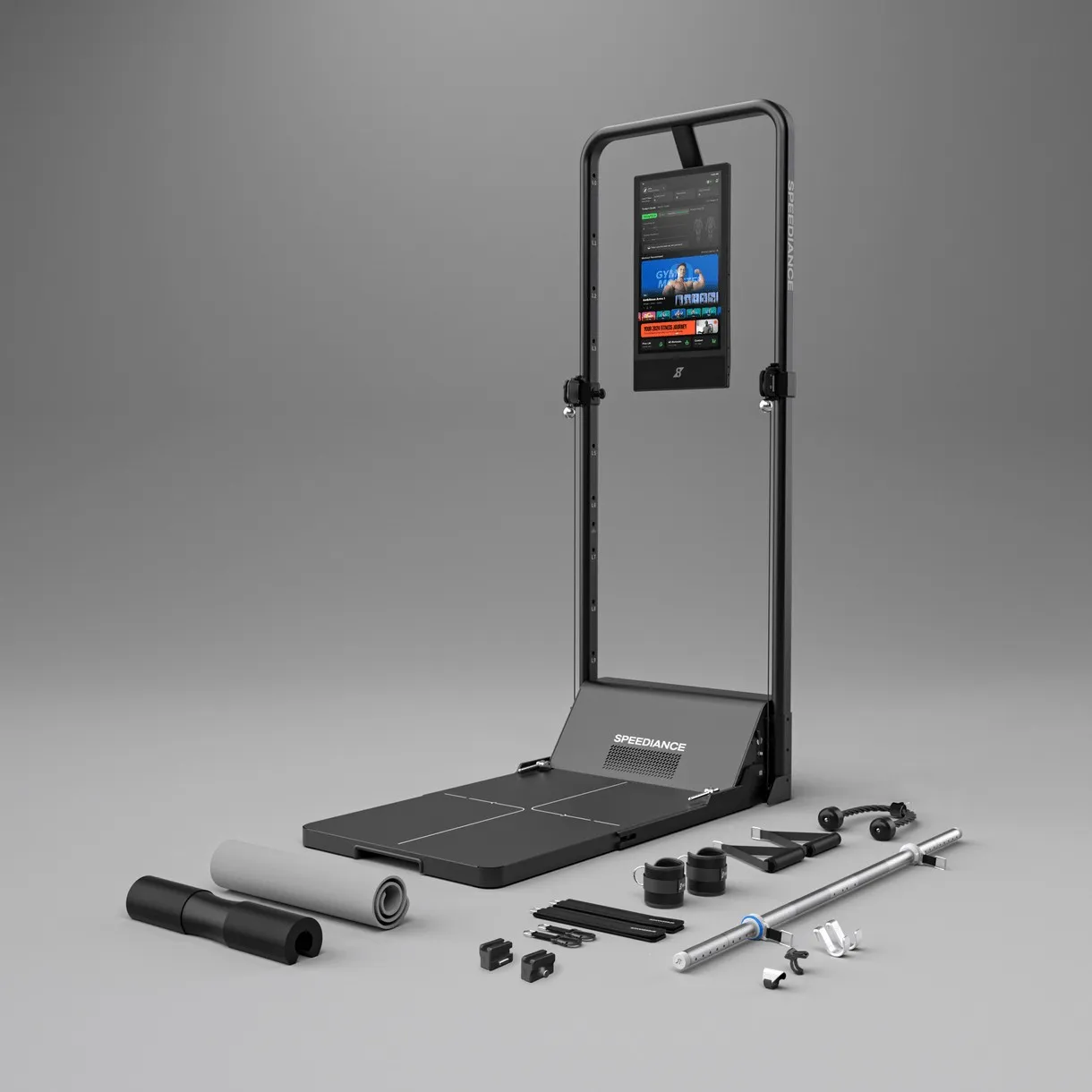
At their core, most portable gym systems share three defining components. First, an adjustable resistance mechanism—whether cable-based, pneumatic, electromagnetic, or leveraging advanced elastic technology—that allows users to scale intensity from rehabilitative loads to genuinely challenging weights. Second, a compact structural frame built from aircraft-grade aluminum or reinforced composites, keeping total weight manageable without sacrificing stability during heavy lifts. Third, many now integrate digital interfaces: touchscreens, Bluetooth sensors, or companion apps that guide workouts, correct form in real time, and log every rep automatically. Together, these elements aim to replicate the breadth of a commercial gym—chest press, rows, squats, deadlifts, lateral raises, core work—within a footprint no larger than a yoga mat. The result is a self-contained training station that travels with your lifestyle rather than anchoring you to a single room or facility.
The Rise of Digital Weights and Smart Resistance
The most transformative leap in portable fitness isn't mechanical—it's digital. Traditional portable systems relied on physical resistance: latex bands stretched to varying lengths, or compact cable assemblies routed through pulleys with weight stacks. These work, but they carry inherent limitations. Bands lose consistent tension across a movement's range, and miniature weight stacks cap out quickly for stronger users. Digital weight technology changes the equation entirely.
Electromagnetic resistance systems use motors and magnets to generate opposing force against your movement, controlled precisely through software. Instead of sliding a pin into a stack, you tap a screen or speak a command, and the resistance shifts instantly—sometimes mid-rep—in increments as small as one pound. This precision enables techniques previously impractical outside a fully equipped gym: drop sets executed in seconds, automated progressive overload across weeks, and eccentric-focused training where the machine delivers heavier resistance on the lowering phase than the lifting phase. Brands like Speediance have embraced this approach, combining electromagnetic resistance with integrated touchscreens and AI-driven coaching to deliver a comprehensive smart gym experience. App-controlled systems take this further by programming entire periodized training blocks, adjusting loads based on your performance data, and flagging when you're ready to increase intensity.
Performance tracking happens passively in the background. Every repetition logs force output, velocity, and range of motion, building a granular picture of your strength development over months. Compared to cable-and-band systems—which require manual logging and offer no real-time feedback—smart resistance platforms function as both equipment and coach. The technology doesn't just replicate gym machines; in several measurable ways, it surpasses them by removing human guesswork from the training process.
Key Benefits of a Portable Home Gym for Busy Professionals
The appeal of portable gym systems extends far beyond novelty. For professionals juggling packed calendars, these devices solve specific, recurring obstacles that derail fitness consistency.
Ultimate Convenience: Your Workout, Your Schedule
When your equipment lives ten steps from your desk, the friction of starting a workout drops to nearly zero. There's no packing a gym bag, no fifteen-minute drive, no circling for parking. You can train at 5:45 AM before your first call, squeeze in a session during a midday break, or decompress at 9 PM without worrying about closing hours. The psychological barrier of "getting to the gym" disappears entirely, and what remains is simply the decision to move.
Time-Efficient, Full-Body Resistance Training
Portable systems excel at compound movements—squats, rows, presses, deadlifts—that recruit multiple muscle groups simultaneously. Because resistance adjustments happen in seconds rather than the minutes spent reconfiguring barbells or waiting for machines, you can design supersets and circuits with virtually no downtime. A focused thirty-minute session built around four to five compound exercises, paired back-to-back, delivers training volume that would take fifty minutes or more in a traditional gym setting. Efficiency isn't about cutting corners; it's about eliminating wasted transitions.
Space-Saving Design for Any Living Situation
Most portable systems fold to a profile slim enough to slide under a bed frame, stand upright in a closet, or tuck behind a sofa. This matters enormously for apartment dwellers, studio renters, or anyone whose spare room already doubles as a home office. You don't need a dedicated gym space—you need roughly six feet of open floor when training, and a few inches of storage depth when you're done.
Versatility and Comprehensive Workout Options
A single portable system typically supports well over a hundred exercise variations spanning strength training, power development, mobility work, and even cardiovascular conditioning through high-rep, low-rest protocols. Chest flyes, face pulls, Romanian deadlifts, pallof presses, bicep curls—movements that would ordinarily require a cable station, free weights, and a bench all become accessible through one device and a handful of interchangeable attachments. This consolidation means fewer purchases, less clutter, and no compromise on programming variety.
How to Choose the Right Portable Home Gym Equipment
Selecting the right system requires honest assessment of your training habits, living situation, and long-term goals. Start with resistance type. Digital electromagnetic systems offer the smoothest experience and finest load adjustments, but they require power sources and carry higher upfront costs. Physical resistance systems—cables routed through compact pulleys or advanced elastic mechanisms—tend to be lighter, fully portable, and more budget-friendly, though they may lack the seamless precision of their digital counterparts.
Next, evaluate the software ecosystem. A well-designed companion app transforms raw equipment into a guided training program. Look for platforms offering structured workout plans, video-based form instruction, and automatic progress tracking rather than simple rep counters. The quality of programming often matters more than hardware specs for long-term adherence. Build quality deserves equal scrutiny: check the frame material, maximum rated resistance, and user weight capacity. A system built from reinforced aluminum or steel composites will handle aggressive movements without wobbling or degrading over years of use. Measure the folded footprint against your actual storage options—under-bed clearance, closet depth, or wall-lean space. Finally, consider attachment variety. Systems offering multiple handle types, ankle straps, and bar options unlock significantly more exercise variations without requiring aftermarket purchases. Balance these factors against your budget, remembering that replacing a gym membership even for twelve months often justifies the investment in portable home gym equipment that lasts far longer.
Building Your Efficient Home Workout Routine: A Step-by-Step Guide
Owning the equipment is only half the equation. Without a structured approach, even the most advanced portable gym becomes an expensive coat rack. Here's how to build a routine that fits your life and actually produces results.
Step 1: Define Your Weekly Schedule & Goals
Open your calendar and identify three to four realistic training windows per week—slots where interruptions are unlikely and energy levels are manageable. These might be thirty-minute blocks before morning meetings or forty-five-minute sessions after your last call. Next, connect those time slots to a clear objective. If your primary goal is building strength, allocate three days to progressive resistance work with one lighter mobility-focused session. If maintenance and stress relief drive you, two full-body sessions and one conditioning day may suffice. Writing these commitments into your calendar as non-negotiable appointments dramatically increases follow-through compared to vague intentions of exercising "when there's time."
Step 2: Structure Your Session for Maximum Impact
Each workout should follow a consistent architecture that eliminates decision fatigue. Begin with three to five minutes of dynamic warm-up—leg swings, arm circles, bodyweight squats—to elevate your heart rate and prime joints. Move into two or three superset pairings of compound movements: for example, a chest press paired with a bent-over row, followed by a squat paired with a shoulder press. Perform each pair back-to-back with minimal rest, then take sixty to ninety seconds before repeating. After your compound work, add one or two targeted accessory exercises—lateral raises, bicep curls, or pallof presses—to address lagging areas. Finish with a two-minute cool-down of static stretches. This framework consistently delivers meaningful training stimulus within thirty minutes.
Step 3: Leverage Technology for Guidance & Tracking
Use your system's companion app or a dedicated training platform to remove guesswork from every session. Most apps offer pre-built programs aligned to specific goals, complete with video demonstrations that help you self-correct form without a personal trainer present. Enable automatic rep and load tracking so you can review weekly trends—total volume lifted, strength gains per exercise, and consistency streaks. When the data shows you've completed all prescribed sets at a given resistance for two consecutive sessions, increase the load by the smallest available increment. This objective feedback loop keeps progression steady and motivation anchored to visible results rather than subjective feelings about effort.
Embracing Portable Fitness for Lifelong Training Consistency
Portable home gym systems aren't a passing fad or a compromise for people who can't afford a "real" gym—they represent a genuine evolution in how we approach physical training. By collapsing dozens of machines into a single device that stores in inches rather than occupying square footage, these systems dismantle the three barriers that have historically derailed fitness consistency: time, space, and equipment access. The integration of smart resistance technology and app-driven coaching adds a layer of precision and accountability that most commercial gyms simply cannot match on an individual level. For busy professionals, this combination is transformative. A structured thirty-minute session performed consistently three or four times per week, guided by real-time data and progressive programming, delivers measurable strength and health improvements that compound over months and years. The infrastructure of fitness is shifting from centralized facilities to personal, on-demand solutions—and those who adopt this approach now position themselves to maintain lifelong training habits regardless of how their schedules, living situations, or careers evolve. Consistent resistance training is no longer a lifestyle reserved for those with abundant free time; it's accessible to anyone willing to rethink where and how they train.