

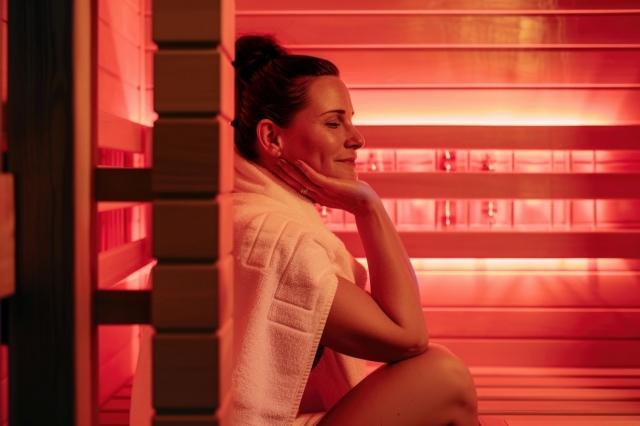
Transforming health doesn't always require a complete lifestyle overhaul. Sometimes, it comes down to adding one consistent habit that supports the body from the inside out. An infrared sauna at home does exactly that.
It offers controlled heat exposure that works in harmony with the body's natural systems, rather than against them. Over time, that routine can support circulation, recovery, stress relief, and long-term personal wellness without demanding extra hours from an already full schedule.
How an Infrared Sauna at Home Transforms Your Health
An at-home sauna creates space for intentional recovery. Unlike traditional wellness routines that rely solely on willpower, infrared saunas utilize targeted infrared heat to warm the body directly. This approach raises core body temperature gradually and encourages deep sweating at lower air temperatures.
This process supports detoxification pathways, promotes blood circulation, and activates heat shock proteins that play a crucial role in cellular repair. Regular sessions also encourage the nervous system to slow down, which helps with stress management and cortisol reactivity. Over time, the body becomes more resilient to daily physical and mental stress.
Home setups eliminate common barriers such as scheduling, travel time, and shared spaces. With a consistent routine, even short sessions can become a reliable anchor for health maintenance rather than an occasional luxury.
Why Infrared Heat Works Differently Than Traditional Saunas
Infrared saunas function differently from traditional saunas. Instead of heating the air around you, infrared panels emit wavelengths that penetrate the skin and warm tissues directly. This method feels gentler while still delivering meaningful physiological effects.
Infrared heat supports circulation by encouraging blood vessels to expand, which improves oxygen delivery to muscles and joints. That's one reason sauna therapy is often used to support muscle recovery after physical activity. The lower operating temperature also makes sessions more accessible for people who struggle with high-heat environments.
For those with limited space or specific needs, a single person sauna fits easily into a home routine without sacrificing effectiveness. These compact options still provide full body exposure and allow for consistent use without overwhelming the room or the user.

How Full-Spectrum Infrared Supports Whole-Body Wellness
Not all infrared saunas function the same way. Full-spectrum infrared includes near, mid, and far infrared wavelengths, each supporting different biological responses. Near-infrared light supports cellular function and skin rejuvenation, while mid- and far-infrared wavelengths reach deeper tissues and joints.
This combination supports cardiovascular function, immune function, and recovery at the cellular level. Many users also notice improvements in their skin tone and the appearance of fine lines, thanks to increased circulation and collagen support.
Over time, these effects compound. The body becomes more efficient at managing inflammation, regulating temperature, and maintaining balance across multiple systems.
How Infrared Sauna Sessions Support Muscle Recovery and Performance
Infrared saunas have become a go-to recovery tool for active individuals for good reason. Heat therapy increases blood flow to tired muscles, which helps deliver nutrients and remove metabolic waste more efficiently. This process reduces soreness and supports faster recovery between workouts.
Consistent sessions can also improve joint mobility and reduce stiffness. For individuals who sit for long periods or experience chronic tension, infrared heat helps loosen connective tissue without the need for aggressive stretching. The result feels restorative rather than exhausting.
Because sessions don't rely on extreme temperatures, the body doesn't experience the same level of strain associated with steam-based environments. That balance allows for more frequent use without burnout.
How Infrared Heat Supports Stress Relief and Nervous System Health
Daily stress accumulates quietly. Infrared sauna sessions create a predictable window where the nervous system can downshift. The gentle heat signals safety to the body, encouraging relaxation and lowering tension.
This response supports better sleep quality and emotional regulation over time. Many users find that regular sessions help reset their stress response, making it easier to handle challenges without feeling overwhelmed. The combination of warmth, quiet, and intentional breathing creates a calming ritual that supports mental calmness and clarity.
For those managing long workdays or constant digital stimulation, this routine becomes a grounding practice rather than another task on the list.
What to Look for in an At-Home Infrared Sauna Setup
Choosing the right setup matters. Look for quality infrared panels that distribute heat evenly across the body. Carbon fiber heaters are often used because they provide consistent output without harsh hotspots. Low EMF design is another important consideration for long-term use.
Temperature controls should allow precise adjustments so sessions feel supportive, not overwhelming. A digital control panel simplifies operation and helps maintain consistency. Some setups include Bluetooth speakers or an audio system, which can be useful if quiet music or guided breathing helps you relax, but those features shouldn't feel intrusive.
Materials matter as well. Solid wood construction, tempered glass, and proper ventilation contribute to durability and comfort. A thoughtful design improves overall user experience and encourages regular use.
Key Takeaway
An infrared sauna at home offers more than heat. It provides a practical way to support circulation, recovery, and stress relief on your schedule. With consistent use, the body becomes more resilient and balanced. When wellness feels accessible and sustainable, it's easier to maintain long-term health without relying on drastic changes or temporary fixes.