

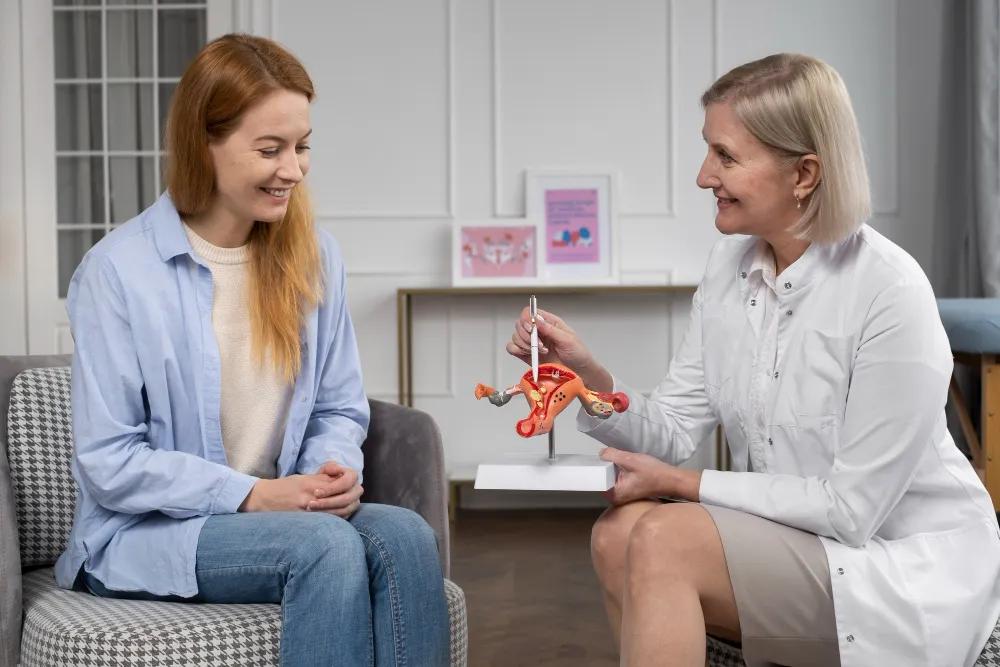
If you have recently been told you have uterine fibroids, one of the first things you will want to understand is size. Fibroids are measured and described in ways that can feel clinical and confusing at first, but once you understand what the numbers actually mean for your body and your symptoms, the whole picture becomes a lot clearer and a lot less frightening.
Size is not the only factor that determines how fibroids affect you, but it is one of the most important ones. Two women can have fibroids of identical size and have completely different experiences. Understanding why starts with knowing how fibroids are classified and what each category typically means in practice.
How Fibroid Sizes Are Classified
Fibroids are generally grouped into three broad categories: small, medium, and large.
Small fibroids are typically under two centimeters, roughly the size of a grape or smaller. Many women with small fibroids have no symptoms at all and only discover them during a routine ultrasound performed for an unrelated reason. Small fibroids are often monitored rather than treated, particularly when they are not causing discomfort or disrupting daily life.
Medium fibroids fall roughly between two and six centimeters, comparable to a plum or small orange. This is the range where symptoms become more likely, though not guaranteed. Heavy menstrual bleeding, pelvic pressure, and bloating are commonly reported by women in this category, particularly when multiple fibroids are present.
Large fibroids exceed six centimeters and can grow considerably beyond that. Fibroids in this category are more likely to cause significant symptoms including pelvic pain, urinary frequency, and a visibly distended abdomen. At this size, impact on fertility and adjacent organs becomes a more pressing consideration.
USA Fibroid Centers provides a detailed fibroid sizes chart that maps out what each size range typically looks like and what women in each category tend to experience, which is a useful reference when processing a new diagnosis.
Why Location Matters as Much as Size
Size alone does not tell the whole story. A small fibroid in the wrong location can cause more significant symptoms than a large one growing outward from the uterus.
Submucosal fibroids grow into the uterine cavity itself and tend to have the most direct impact on menstrual bleeding and fertility even at small sizes. Intramural fibroids grow within the uterine wall and are the most common type. Their symptoms depend largely on how large they grow and whether they distort the shape of the uterine cavity. Subserosal fibroids develop on the outer surface of the uterus and typically cause pressure symptoms rather than bleeding issues.
When Size Becomes a Reason to Act
Monitoring is appropriate for many women with fibroids, particularly those with small or stable growths and manageable symptoms. But size combined with symptoms or growth rate can make treatment worth considering.
Women dealing with heavy bleeding affecting daily life, significant pelvic pain, bladder pressure, or fertility challenges related to fibroid position are all candidates for treatment conversations. Symptoms, not just centimeters, are what ultimately drive those decisions.
Non-surgical procedures like uterine fibroid embolization allow women to address fibroids effectively without a hysterectomy, with shorter recovery times and preservation of the uterus. Understanding where your fibroids sit on the size spectrum is the first step toward knowing which options are most relevant to your situation.
Moving Forward With Clarity
A fibroid diagnosis can feel overwhelming, especially when you are trying to make sense of imaging reports and medical terminology on your own. Size classifications are tools to help you understand what you are dealing with, not verdicts about what your experience will be.
Most women with fibroids manage their condition with monitoring alone. For those who need more, effective treatment options exist. Either way, understanding your fibroids clearly, starting with their size, puts you in a stronger position to have productive conversations with your provider and make decisions that fit your life.