

Image source: freepik
A facelift follows a clear medical sequence that starts well before surgery and continues through the last follow-up visit. Every stage serves a practical purpose, from reviewing health history to checking swelling, bruising, and incision healing. For people considering facial rejuvenation, a stepwise explanation helps frame timing, likely discomfort, and expected change. That perspective supports informed consent, steadier preparation, and a recovery period shaped by realistic expectations rather than guesswork.
First Consultation
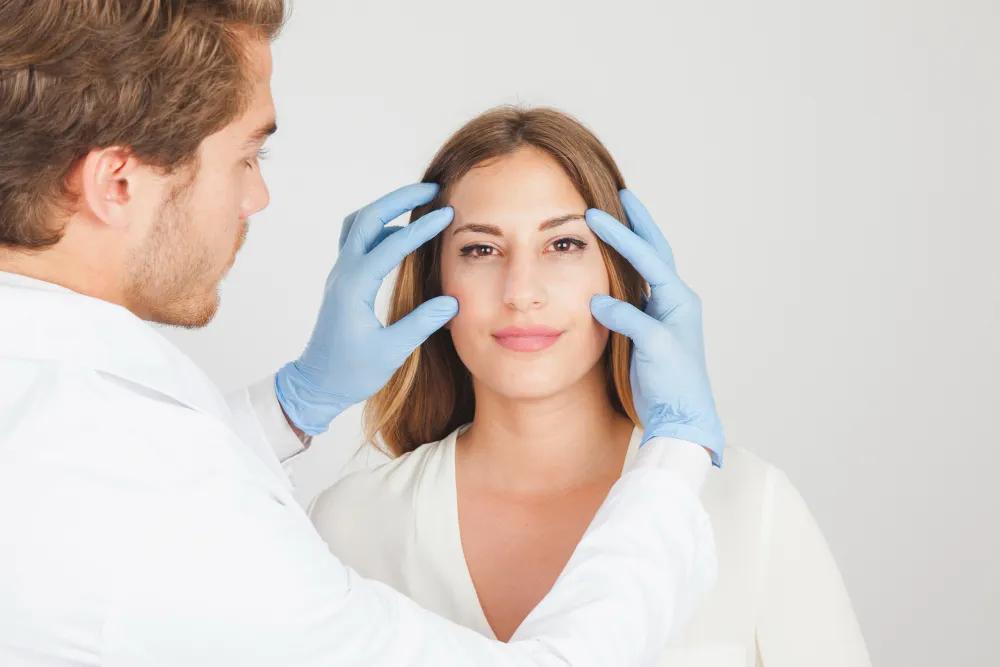
The opening visit centers on concerns, anatomy, and goals that match a patient’s age, tissue quality, and general health. During that review, facial descent, platysmal banding, and skin redundancy are assessed in context, and discussion may turn to facelift in Newport Beach, CA, for patients seeking lower-face and neck correction with clear guidance on incision design, anesthesia, expected bruising, and the pace of social recovery. That exchange helps set limits early and reduces confusion later.
Candidacy Review
Next, the surgeon studies prior operations, current medicines, nicotine exposure, weight stability, and any condition that could affect blood flow or tissue repair. Suitable candidates usually show visible laxity, sound overall health, and expectations grounded in what surgery can realistically change. Uncontrolled hypertension, clotting concerns, or delayed wound healing may shift timing. This part of the process protects safety before appearance enters the conversation.
Surgical Planning
Once approval is clear, planning becomes more exact. Standard photographs document baseline contour, skin drape, and neck profile for comparison after healing. Procedure choice depends on facial structure, degree of laxity, and whether deeper support layers need elevation. Some people benefit from a short-scar lift, while others need broader correction. Neck work may be added if heaviness below the jaw would otherwise remain obvious.
Preparing for Surgery
Preparation begins well before the operation date. Blood-thinning drugs, nicotine, and certain supplements are often paused because they can increase bleeding or slow repair. Home support also matters. Patients are usually asked to arrange transportation, prepare soft foods, and set up extra pillows for head elevation. Clear instructions lower stress and make the first days after surgery more manageable.
Day of Surgery
On the procedure day, the care team confirms consent, reviews markings, and checks that the plan still fits the face seen in person. Anesthesia may involve deep sedation or general anesthesia, depending on operative length and patient needs. Incisions are then placed around natural creases and hair-bearing areas. Good placement matters because scar quality depends on both technique and the tension carried during closure.
Tissue Repositioning
A facelift works beneath the skin, not at the surface alone. Surgeons usually tighten and reposition the fibromuscular layer, then trim or redrape excess skin with restraint. That method reduces the pulled look linked to older techniques. If fullness under the chin disrupts balance, the neck may be refined during the same session. Once the contour appears even, sutures close the incisions.
Early Recovery
The first forty-eight hours often bring peak swelling, bruising, pressure, and a temporary sense of tightness along the cheeks and neck. Resting with the head elevated helps limit fluid accumulation. Prescribed medication may ease discomfort and nausea. Some cases involve short-term drains to reduce collection under the skin. Early follow-up allows the surgeon to assess circulation, dressings, and any signs of bleeding or hematoma.
Weeks Two to Six
Bruising usually fades first, while residual swelling can linger longer, especially near the jawline and around the ears. Many patients return to light routines within one to two weeks, though exercise resumes slowly. Internal healing continues after outward change appears substantial. Gentle cleansing, scar care, and sun protection remain important. Numbness or firmness may persist for a time before soft tissue settles.
Risks and Follow-Up
Every surgical procedure carries risk, including infection, fluid collection, nerve irritation, asymmetry, widened scars, and delayed wound closure. Regular review visits help catch problems before they grow harder to manage. During those checks, the surgeon evaluates swelling patterns, skin viability, and incision maturation. Sutures may be removed in stages. Clear communication during follow-up often improves comfort and keeps recovery expectations aligned with normal healing.
Conclusion
From consultation through the last postoperative check, a facelift involves far more than time in an operating room. Good outcomes rely on patient selection, careful surgical planning, precise handling of deeper tissue, and disciplined aftercare at home. People who understand that sequence are better prepared for swelling, temporary activity limits, and gradual refinement. A measured recovery course usually supports safer healing and results that look rested rather than overcorrected.