

What Patients Notice First About a Modern Dental Practice, and Why It Matters
Most people form an opinion about a dental practice before anyone picks up an instrument. It happens in the first few minutes. The booking process feels easy or clunky. The front desk sounds calm or rushed. The space feels clean, clear, and well-run, or it does not. By the time a patient sits down, trust is already taking shape. That is part of what makes a practice like Clover Dental stand out; people are responding to the full experience, not only the treatment itself.
Patients are paying closer attention than many clinics realise. They notice whether communication is clear, whether the environment feels considered, and whether the whole place seems designed around comfort rather than throughput. Modern dentistry is still about technical skill, of course, but patients rarely judge quality on clinical outcomes alone. They judge it through the experience that surrounds the care.
The first impression starts before the appointment
A practice does not need flashy branding to feel modern. Patients are usually looking for something simpler than that. They want signs that the clinic is organised, current, and easy to deal with.
That often starts online. A clear website, straightforward booking options, useful information, and a sense of professionalism all shape expectations before the patient arrives. Once they make contact, tone matters. A warm, efficient response tells people they are dealing with a team that has its act together.
Small points make a difference here. Confusing forms, missed calls, vague pricing, or an overly transactional tone can create friction early. Patients may not always say so, but they notice it.
People notice the atmosphere straight away
The physical environment carries a lot of weight in dentistry because many patients arrive tense to begin with. They are not only judging cleanliness, though that is non-negotiable. They are reading the room more broadly.
Does the clinic feel calm? Is the reception area pleasant without feeling staged? Does the space look maintained? Is it easy to understand where to go and what happens next? Even lighting, sound, and layout play a part in how people settle.
A modern practice tends to feel intentional. Nothing needs to be extravagant. Patients respond well to spaces that feel uncluttered, professional, and reassuring. When the environment is noisy, crowded, or disorganised, confidence drops quickly.
Good communication makes people feel safe
One of the biggest differences between an average dental experience and a strong one comes down to communication. Patients want to know what is happening, what their options are, and what to expect next. They do not want to feel managed in silence.
A modern practice usually does this well. The team explains things clearly, without sounding robotic or overly technical. The dentist talks to the patient, not around them. Treatment plans are laid out in a way that makes sense. Costs are discussed without awkwardness. Questions are welcomed.
That sounds basic, yet it is one of the first things patients remember. Good communication lowers stress. It gives people a sense of control. It also makes the clinical side of the visit feel more credible, because the practice appears open and confident rather than evasive.
Patients can tell when a practice is genuinely patient-focused
A lot of clinics say they put patients first. People can usually tell whether that is true.
They notice when appointments run with reasonable respect for their time. They notice when staff remember details, explain delays, or adjust their approach for nervous patients. They notice when the clinic seems interested in long-term care rather than pushing treatment the minute they walk through the door.
Being patient-focused is not about acting soft or overly polished. It is about showing some awareness of what the visit feels like from the other side of the chair. That might mean checking comfort during treatment, being clear about next steps, or making follow-up feel smooth rather than patchy.
The point is simple enough: people remember how a practice made them feel. That memory shapes whether they come back, whether they follow through with treatment, and whether they recommend the clinic to others.
Modern does not mean cold or overly high-tech
Dental technology matters, but patients do not necessarily walk in looking for a list of equipment. What they want is confidence that the practice is up to date and using tools that support better care.
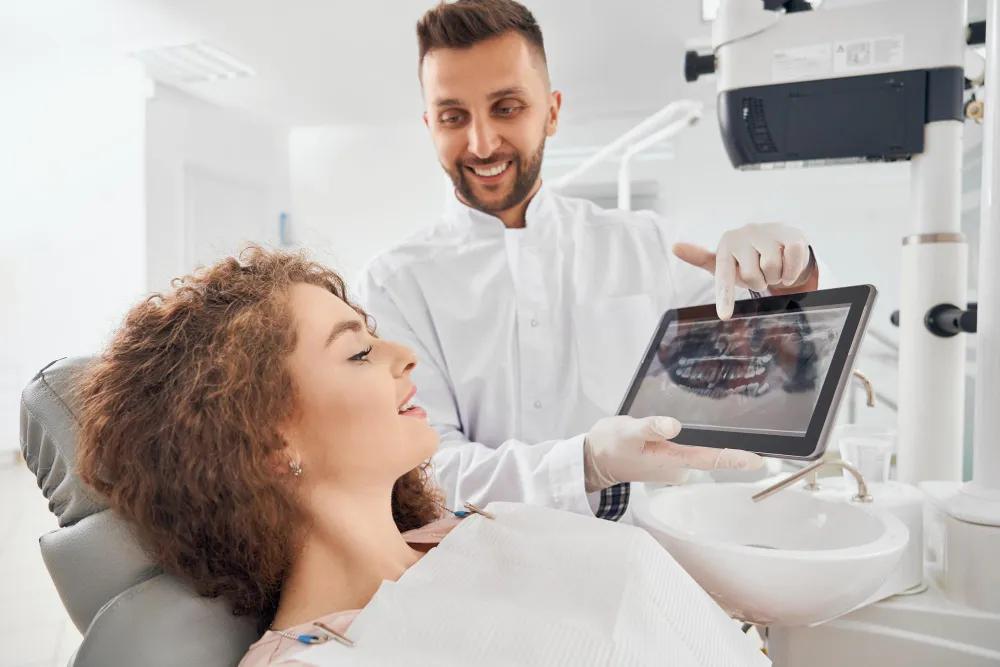
That confidence often comes through indirectly. The clinic feels efficient. Imaging is explained properly. Records are handled smoothly. The appointment feels well-paced. The treatment feels precise. Patients may not know the exact technology involved, but they can sense when a practice operates in a current, capable way.
What they do not want is a practice that feels clinical in the worst sense of the word; cold, impersonal, or obsessed with process at the expense of people. The strongest practices manage to feel advanced without becoming sterile.
Trust is built from many small signals
Patients do not usually decide a practice is trustworthy because of one big moment. It tends to build through a series of small signals that line up.
The team seems consistent. The clinic looks cared for. The explanations are clear. The treatment plan feels sensible. The atmosphere stays steady from start to finish. No single part needs to be dramatic. It just needs to feel competent, thoughtful, and well put together.
That matters because dentistry asks for a level of trust many other services do not. People are often anxious, physically vulnerable, and unsure how to judge the quality of care on technical grounds. They rely on experience as a proxy for confidence. If the practice feels sharp, calm, and transparent, that trust comes more easily.
The full experience shapes the reputation
A modern dental practice is not judged only by fillings, cleans, or cosmetic work. Patients are judging the whole system around those services. They notice how easy it is to book, how they are spoken to, how the clinic feels, how clearly things are explained, and whether the care feels personal rather than mechanical.
That is why first impressions matter so much. They are not superficial. They are the beginning of trust. When a practice gets those details right, patients feel it immediately, and they tend to remember it long after the appointment is over.