

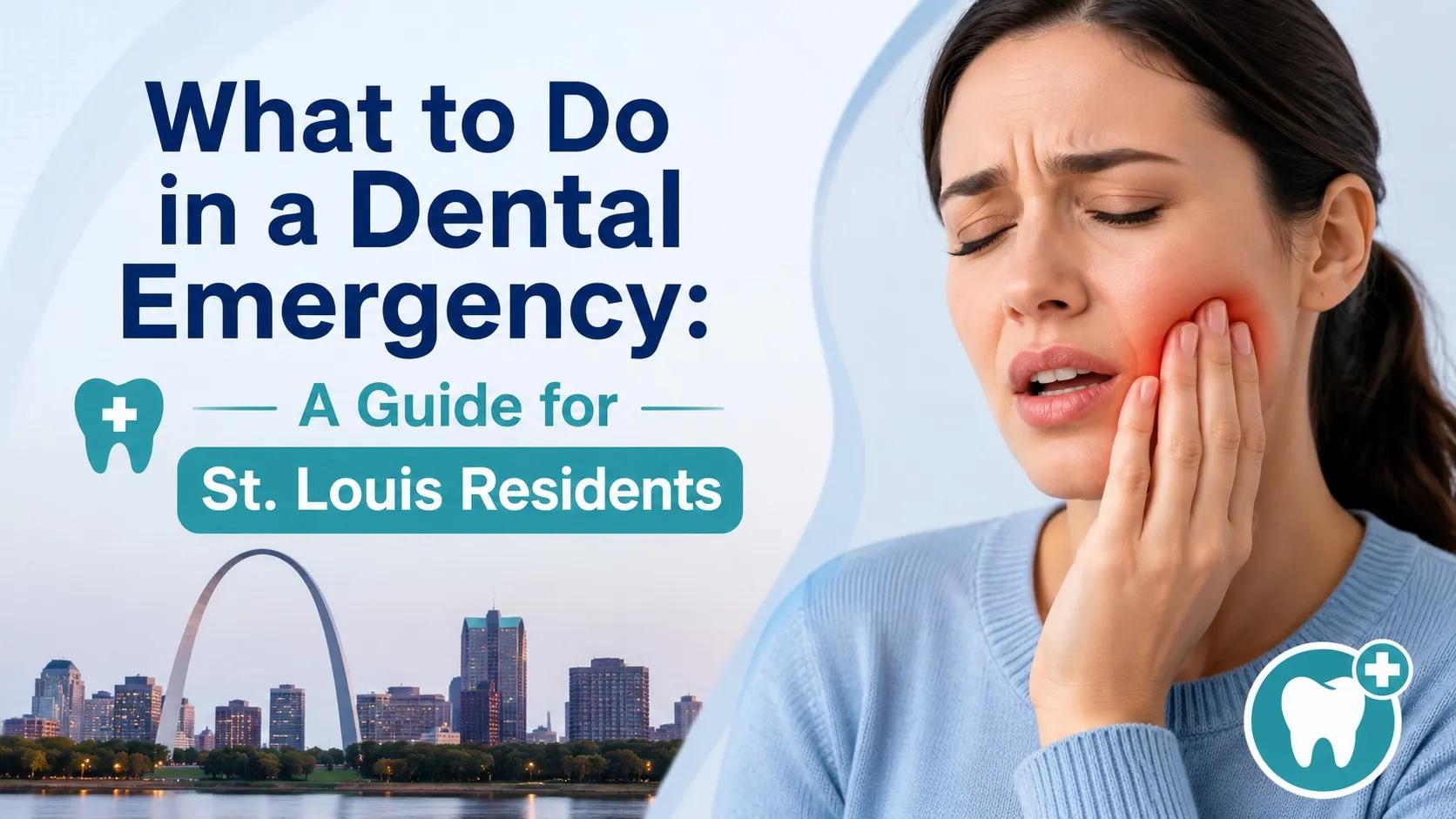
Dental emergencies rarely happen at a convenient time. A cracked tooth during dinner, a throbbing abscess that keeps you up at night, or a sports injury that knocks a tooth loose — these situations demand fast, competent care. Knowing what qualifies as a true emergency, how to respond in the first few minutes, and where to turn for help can make the difference between saving a tooth and losing it permanently.
What Counts as a Dental Emergency?
Not every dental issue requires immediate attention, but several situations do. Severe, persistent tooth pain that doesn't respond to over-the-counter pain relievers often signals a deep infection or nerve involvement. A knocked-out tooth is one of the most time-sensitive emergencies — the tooth has the best chance of being saved if it's re-implanted within 30 to 60 minutes. Other urgent situations include a cracked or fractured tooth with visible pulp, uncontrolled bleeding from the mouth, a swollen jaw or face (which can indicate a spreading infection), a lost filling or crown that exposes sensitive tooth structure, and injuries to the soft tissue of the mouth, such as deep cuts to the lip, tongue, or gums.
If you're unsure whether your situation qualifies, a good rule of thumb is this: if you're in significant pain, bleeding won't stop, or you notice swelling that's getting worse, treat it as an emergency and seek professional care right away.
First Steps Before You Reach a Dentist
While getting to a dental professional quickly is the priority, a few immediate steps can help protect your oral health and reduce pain in the meantime.
For a knocked-out tooth, pick it up by the crown (never the root), rinse it gently with water if it's dirty, and try to place it back in its socket. If that's not possible, keep it moist in a container of milk or saliva until you reach a dentist. For a cracked or broken tooth, rinse your mouth with warm water and apply a cold compress to the outside of your cheek to reduce swelling. If you're dealing with severe pain, an over-the-counter pain reliever like ibuprofen can help temporarily, but avoid placing aspirin directly on the gum, as this can burn soft tissue. For uncontrolled bleeding, apply firm, gentle pressure with clean gauze and seek care immediately if it doesn't subside within 10 to 15 minutes.
Why Fast Treatment Matters
Delaying treatment for a dental emergency rarely makes the problem better — and often makes it significantly worse. An untreated infection can spread beyond the tooth into the jaw, neck, or even bloodstream in rare but serious cases. A knocked-out tooth that isn't re-implanted quickly loses its chance of successful reattachment as the minutes pass. Cracks left untreated can deepen, sometimes to the point where a tooth that could have been saved with a filling or crown ends up requiring extraction. Prompt care isn't just about comfort; it's about preserving your long-term oral health and avoiding far more expensive and invasive treatment down the road.
Finding the Right Care in St. Louis
When a dental crisis strikes, you need a provider who can see you quickly, diagnose the problem accurately, and provide effective treatment without unnecessary delay. Not every general dentist offers same-day emergency appointments, which is why it helps to know your options before you're in pain and scrambling to find help. An Emergency Dentist St Louis practice that specializes in urgent dental care can typically get you seen faster than a standard office, with the equipment and experience needed to handle everything from severe toothaches to traumatic injuries on the spot.
Preventing Future Emergencies
While not all dental emergencies can be avoided, many are preventable with a few precautions. Wearing a mouthguard during contact sports significantly reduces the risk of tooth trauma. Avoiding hard foods like ice, hard candy, and popcorn kernels protects against cracks and fractures. Routine dental checkups allow small problems, like weakened fillings or early decay, to be caught and treated before they escalate into emergencies. Maintaining good oral hygiene also reduces the likelihood of infections that can turn into painful, urgent situations.
Final Thoughts
Dental emergencies are stressful, but knowing how to respond and where to seek care can dramatically improve the outcome. Whether it's a knocked-out tooth, an unbearable toothache, or a facial injury affecting your mouth, acting quickly and getting to a qualified provider is the best way to protect your smile and your health.