

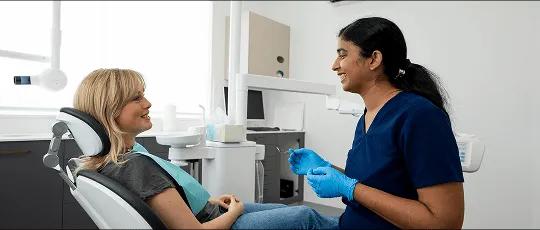
Switching to a new dentist Mulgrave families recommend can feel like a bigger step than it actually is, particularly if you've been with your previous dentist for years and aren't quite sure what a first appointment elsewhere will involve. Knowing what to expect ahead of time makes the whole process considerably less daunting.
This guide walks through what typically happens at a first visit, what information to bring along, and how to make the most of that initial appointment so it sets a good foundation for your ongoing care.
Before You Arrive: What to Prepare
Most new patients are asked to fill out a health history form covering any medical conditions, medications and previous dental treatment. Having this information ready in advance, along with details of your previous dentist if you would like your records transferred, makes the check-in process much smoother.
The Initial Assessment
A first visit usually starts with a thorough assessment rather than jumping straight into treatment. This typically includes a visual examination, a discussion of any current concerns, and often digital X-rays to get a complete picture of your dental health, particularly if it has been a while since your last checkup elsewhere.
Digital X-Rays Give a Fuller Picture
Digital X-rays allow a dentist to see areas not visible during a standard visual check, such as decay between teeth or issues beneath the gum line. They also involve significantly less radiation than older film-based X-rays, which is worth knowing if you have any concerns about the process.
Health history form: have medical conditions and current medications ready to note down.
Previous records: ask about having X-rays and treatment history transferred from your old practice.
Questions list: jot down any concerns beforehand so nothing gets forgotten during the appointment.
Treatment plan discussion: a good first visit ends with a clear explanation of any next steps and costs.
A Clean and a Clear Conversation
Depending on the practice and your dental history, a first visit often includes a professional clean alongside the assessment. Just as importantly, a good first appointment ends with a clear conversation about any findings, what if anything needs further attention, and a transparent breakdown of associated costs before any further treatment is booked.
Bring Your Questions, Not Just Your Concerns
A first visit is also a genuine opportunity to ask questions, whether about a specific ongoing issue, general oral health habits, or simply how the practice handles bookings and emergencies going forward. Dentists generally welcome an engaged new patient who wants to understand their own dental health rather than sitting through the appointment passively.
What Happens if Something Needs Attention
If the assessment identifies something that needs further treatment, a good practice will walk you through the options, likely timeline and cost before booking anything further, rather than pressuring you into an immediate decision. This is a useful early indicator of how the practice operates more broadly.
Settling In as a New Patient
It typically takes a visit or two to feel properly settled with a new dental practice, which is entirely normal. Most people report that any initial nervousness about switching fades quickly once they experience a smoother booking process and clearer communication than they may have had previously.
What if You're Nervous About the Dentist?
It is entirely common to feel some anxiety about a first visit, particularly if a previous experience elsewhere was uncomfortable. A good practice will ask about this directly and adjust their approach accordingly, whether that means explaining each step before it happens, offering short breaks during longer procedures, or simply taking things at a slower pace than usual.
Mentioning any specific concerns or previous bad experiences during your booking call, rather than waiting until you are already in the chair, gives the practice the chance to prepare and genuinely tailor the appointment to put you at ease from the outset.
Following Up After Your First Visit
If your first appointment identifies any further treatment, a good practice will typically follow up with a clear written summary of recommendations and costs, giving you time to consider options rather than needing to decide on the spot. This follow-up approach is also a useful indicator of how the practice will communicate with you going forward.
If English is not your first language, or if you have specific communication needs, mentioning this when booking allows the practice to make appropriate arrangements ahead of time, ensuring your first visit is as comfortable and clearly understood as possible from the outset.
For patients with dental anxiety more broadly, asking in advance about options such as sedation for more involved procedures can be a useful thing to understand before it becomes relevant, rather than discovering the practice's approach partway through a treatment plan.
Keeping a brief note of any questions that come up between visits, and bringing that list along to your next appointment, is a simple habit that ensures nothing gets forgotten once the actual visit begins.
Final Thoughts
A first visit to a new dentist is generally far more straightforward than people anticipate, particularly once you know what to expect and arrive with the right information ready. It is also a good opportunity to genuinely assess whether the practice is the right long-term fit for your family's dental care.
If you have been putting off booking that first appointment, treating it as a low-pressure introductory visit rather than a big commitment can make it much easier to finally get it in the diary.