

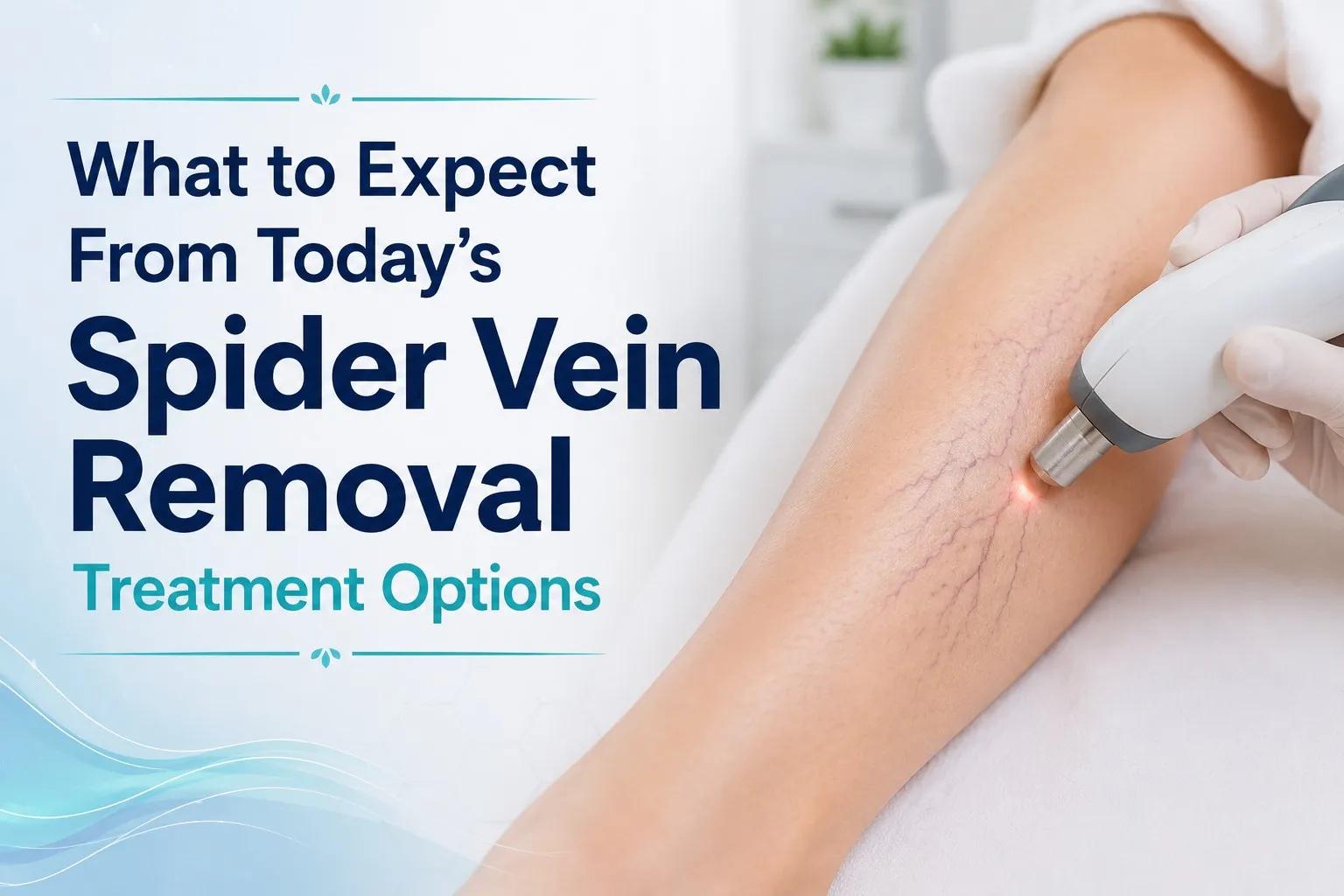
Spider veins are small, damaged vessels that sit close to the skin’s surface. They often appear on the legs or face as thin red, blue, or purple lines. People may look into treatment for appearance, discomfort, or both. Current options are more targeted than older approaches. Most are performed in an office setting, involve little downtime, and work by closing the affected veins so the body can gradually absorb them.
How Modern Treatment Works
A careful evaluation is the first step, because visible veins can sometimes signal an underlying circulation problem. During that visit, a specialist reviews symptoms, vein patterns, skin tone, and medical history. For those researching local care, spider vein removal Peoria practices may come up during the process, especially if they want a practice that can look at cosmetic concerns and possible hidden vein issues before recommending a treatment plan.
Before the Treatment
The initial appointment often includes a physical exam and, at times, an ultrasound study. That imaging can show whether larger veins are feeding the surface vessels. If a deeper circulation issue is present, treating only what appears on the skin may not produce the best outcome. A thorough diagnosis helps guide treatment and sets realistic expectations. Specialists also review medications, prior treatments, pregnancy history, and symptoms such as aching, heaviness, swelling, or nighttime cramping.
During and After
Most treatments are short and do not require general anesthesia. Patients usually arrive and leave on the same day. Depending on the method, there may be mild stinging, warmth, or a brief pinching feeling. Compression stockings are sometimes recommended afterward, especially for leg veins. Light walking is often encouraged, while hot baths, strenuous workouts, and direct sun exposure may need to be limited for a short time.
Common Options
Sclerotherapy is still one of the most common treatments for spider veins in the legs. During this treatment, a clinician injects a solution into the affected vessel, causing it to close and slowly fade. More than one session may be needed, since smaller branches can respond at different speeds. This approach is often used for small to medium visible veins and has been part of office-based vein care for many years.
Laser treatment is another widely used option, particularly for very fine facial veins or small surface vessels. The laser sends focused light into the vein, damaging the vessel wall without the use of injections. Results appear gradually as the body clears away the treated vein. Skin tone, vein size, and vein color all play a role in deciding whether laser therapy is the right fit.
Sometimes, providers recommend a combination of treatments. One method may work better for larger feeder veins, while another is more effective for fine branches near the surface. Using both can improve overall clearance and lower the chance that an untreated source keeps surface veins visible. The most suitable plan depends on the person’s anatomy, symptoms, and treatment goals rather than one fixed approach.
Results and Risks
Spider veins do not usually disappear right away after treatment. The body needs time to break down and absorb the closed vessels. Improvement often becomes noticeable over several weeks, and changes can continue after that. Multiple sessions are common, especially when there are many visible veins. Some people also need future maintenance, since new spider veins can develop with age, hormonal shifts, long hours of standing, or family history.
Side effects are usually mild and temporary. Bruising, redness, tenderness, and slight swelling can happen after treatment. Some patients also notice light brown discoloration or small trapped blood spots, which often fade over time. Serious complications are less common, but they can occur, which is why a careful evaluation matters. Experienced care helps lower risk and supports sound treatment choices for different skin types and vein patterns.
Choosing the Right Treatment Plan
The most effective treatment plan considers both appearance and vein health. A person experiencing burning, leg fatigue, or ankle swelling may need more than cosmetic treatment alone. A good consultation should explain what is causing the veins, which option fits the condition, how many sessions may be needed, and what recovery generally involves. Clear expectations are important because even a successful result may improve the appearance of veins without removing every visible mark.
Conclusion
Today’s spider vein treatments are more precise, comfortable, and practical than many people expect. With a proper evaluation, patients can learn whether injections, laser therapy, or a combined approach is most appropriate. Improvement often happens in stages, but current treatment can offer meaningful cosmetic benefits and physical relief. A careful diagnosis, a realistic timeline, and qualified care give patients the strongest chance of achieving smoother-looking skin and longer-lasting results.