

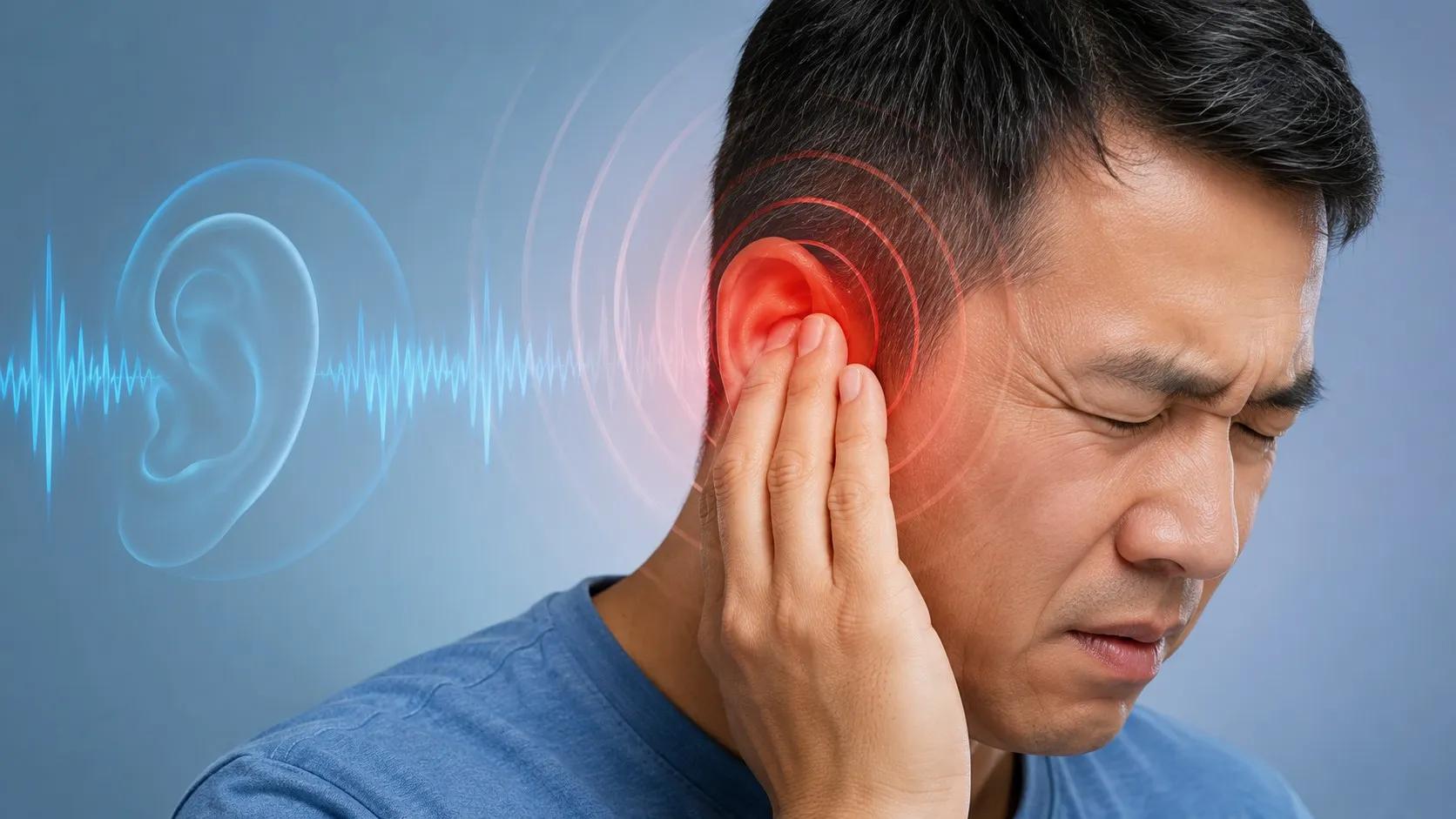
A brief ringing sound after a loud concert or fireworks display is something you may have experienced yourself. In most healthy individuals, the ringing should fade on its own after the ears have had time to recover. However, if the sound persists or begins affecting daily life, it may be a sign that something else is going on.
Hearing sounds that don't come from an external source is known as tinnitus. It is most often described as a ringing sound, but it can also sound like buzzing, hissing, humming, clicking, roaring, or even whistling.
To be clear, tinnitus is not a disease. Rather, it is a symptom that may be linked to a wide range of contributing factors, from hearing loss and ear infections to certain medical conditions or medication side effects. Given the number of possible causes, tinnitus itself is relatively common. At the same time, its multiple causes mean it isn’t always easy to identify why it keeps recurring without a proper examination.
Consulting a tinnitus specialist Singapore residents vouch for may help determine whether the ringing is temporary or requires further investigation. The following signs can help you decide when it’s time to arrange a medical check-up:
1. The Ringing Lasts for More Than a Few Days
A temporary ringing sensation after exposure to loud noise often settles within a few days. If it continues for a week or so and shows no signs of improving, it may be worth arranging a medical check up. Even if no serious problem is found, seeking advice sooner can help identify potential contributing factors and provide a clearer path to recovery.
2. The Sound Is Affecting Your Sleep or Daily Activities
For many people with recurring tinnitus, the noise can gradually take a toll on their mental health. If the ringing is making it hard to fall asleep, concentrate at work, read, or enjoy conversations, then it's time to seek professional advice and regain better control over your daily routine.
3. You Notice Hearing Loss Alongside the Ringing
Tinnitus and hearing loss frequently occur together, particularly with age-related hearing changes or long-term exposure to loud sounds. A hearing test can help definitively pin down the specific causes of these hearing issues.
Unfortunately, many individuals may delay seeking medical advice, sometimes attributing their tinnitus and hearing loss as natural outcomes of ageing. Regardless, identifying changes early may help protect your hearing and improve your quality of life.
4. The Ringing Affects Only One Ear
Even mild symptoms that occur on only one side often deserve a closer look. While there are harmless explanations for tinnitus in one ear, it can occasionally point to infections or other conditions that require further evaluation. In these cases, a doctor may recommend additional hearing tests or imaging studies to further narrow down the causes.
5. You Hear a Pulsing or Rhythmic Sound
If the noise seems to pulse in time with your heartbeat, it's important to seek immediate medical advice. Known as pulsatile tinnitus, this condition can sometimes be associated with changes in blood flow or blood vessels near the ear. Though often treatable, it should be properly evaluated to rule out more serious potential causes.
6. You Develop Dizziness, Balance Problems, or Severe Ear Symptoms
If multiple ear-related symptoms happen all at once, the specific combination of symptoms can provide ENTs with important clues about what's happening. For example, if tinnitus occurs alongside dizziness, vertigo, poor balance, severe ear pain, or discharge, it may indicate a condition affecting the inner ear or another part of the hearing system. In any case, seeking medical attention allows the cause to be identified and managed before symptoms have the chance to worsen.
7. The Ringing Began After a Head Injury
Tinnitus that develops after a fall, sporting injury, or any other type of blow to the head must be immediately checked by a healthcare professional. They can assess whether the ringing is related to a concussion, direct damage to hearing structures, or another injury that requires further examination or treatment.
Seek immediate medical attention if the tinnitus is accompanied by a severe headache, vomiting, confusion, loss of consciousness, weakness, or problems with balance or vision.
8. Your Tinnitus Appeared After Starting a New Medication
Certain prescription and OTC medicines have been associated with tinnitus in some individuals. If you notice ringing in your ears shortly after starting a new medication, speak with the prescribing doctor or pharmacist. That said, do not stop taking the medication on your own until a qualified professional has deemed that adjustments are appropriate.
A Timely Check-Up Can Provide Answers
Ringing in your ears isn't always a sign of a serious problem, but it's not to be ignored either. If your symptoms last, worsen, or occur alongside hearing loss, dizziness, or ear pain, seeing an ENT specialist early gives you the best opportunity to protect your hearing before it seriously impacts your daily life.