

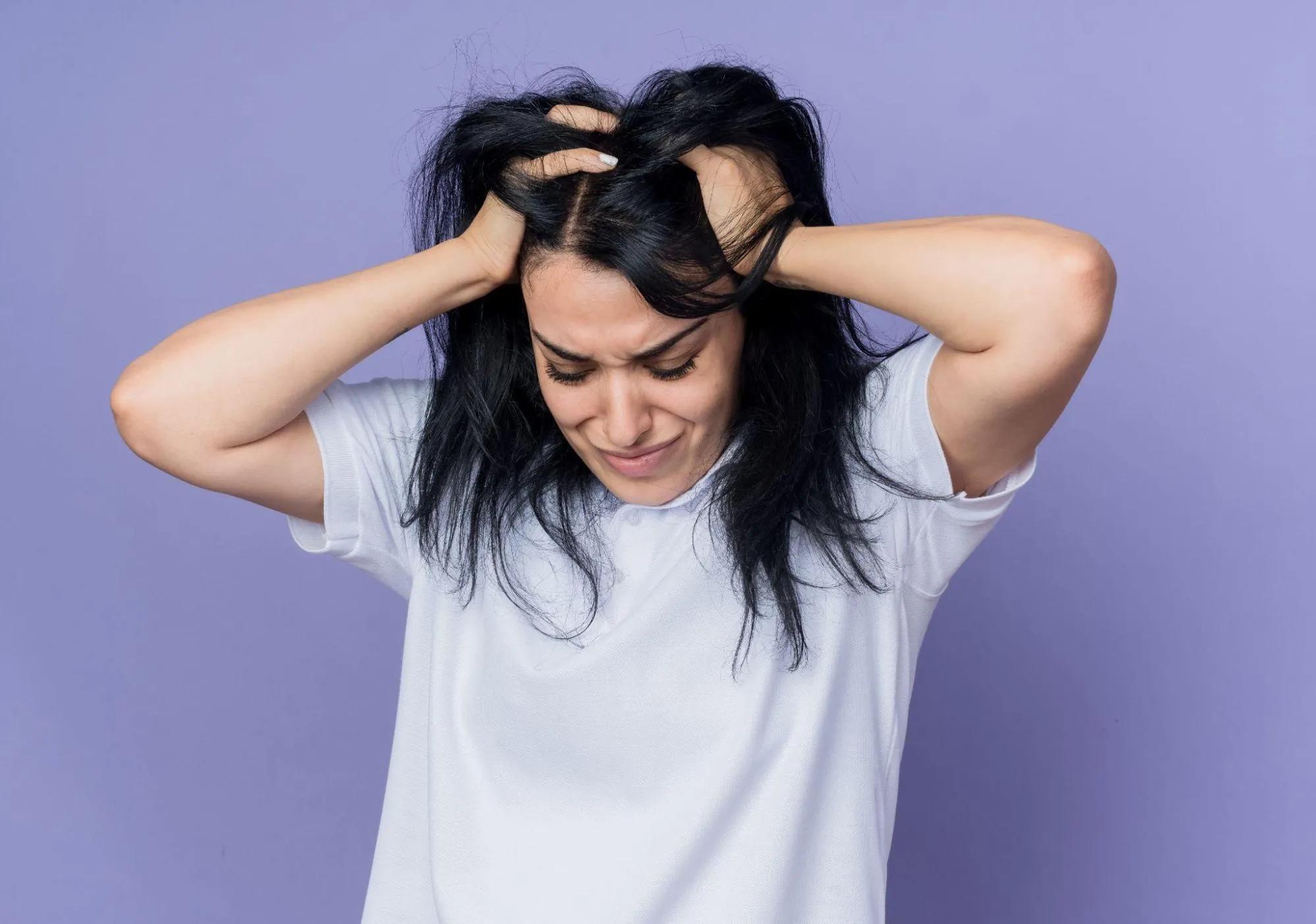
You wake up one morning, run your fingers through your hair, and pause. There's more on your pillow than usual. The shower drain looks different. You're not imagining it — something has changed. Sudden hair loss is one of those things that catches people off guard, partly because it often starts quietly and builds up before you actually notice it. The good news is that in most cases, there's a reason behind it. And once you understand what's driving it, the path forward becomes a lot clearer.
When Your Body Is Under Stress
One of the most overlooked causes of sudden hair loss is physical or emotional stress. The condition is called telogen effluvium, and it works like this: when your body goes through a major stressor — an illness, surgery, a difficult period of anxiety, or even extreme exhaustion — it sends a signal that redirects energy away from "non-essential" functions. Hair growth falls into that category.
Hair follicles shift from their active growth phase into a resting phase earlier than they should. About two to three months later, those resting hairs shed all at once. This timing is what confuses most people. You might not connect the hair loss in April to the stressful event you went through in January.
The shedding usually slows down once the stressor passes, but if the underlying stress continues, so does the hair loss.
Nutritional Gaps That Don't Always Show Up on Your Plate
You can eat regularly and still be deficient in the nutrients your hair needs most. Iron, ferritin, vitamin D, zinc, and B12 are the most common culprits. Hair follicles are among the most metabolically active cells in the body — they need a steady supply of nutrients to keep producing hair.
Low ferritin (stored iron) is particularly common in women and is frequently missed because standard blood tests check hemoglobin, not ferritin. You can have normal hemoglobin but low ferritin, and your hair will pay the price before anything else does.
If your diet has been inconsistent, or if you've recently gone through a significant dietary change, it's worth getting a full panel done — not just a basic check.
Hormonal Shifts Are More Common Than You Think
Hormones regulate almost everything in the body, and hair is no exception. Conditions like thyroid dysfunction — both underactive and overactive thyroid — can cause diffuse hair loss across the scalp. The thyroid controls the rate at which your body uses energy, and disruptions here affect the hair growth cycle directly.
For women, hormonal changes around pregnancy, postpartum recovery, and perimenopause are significant triggers. After delivery, estrogen levels drop sharply, and many women experience noticeable shedding around three to four months postpartum. This is normal, but it can be alarming if you don't know what's causing it.
Polycystic ovarian syndrome (PCOS) also causes hair thinning in many women due to elevated androgens, which can shrink hair follicles over time.
Scalp Health Is Often the Missing Conversation
Hair loss discussions often focus on what's happening inside the body, but the scalp itself matters. Chronic dandruff, seborrheic dermatitis, scalp inflammation, or fungal issues can disrupt the environment around the hair follicle. When the follicle base is inflamed or clogged, it can't anchor hair properly — and it definitely can't support healthy regrowth.
Poor scalp circulation is another underappreciated factor. Follicles that aren't getting adequate blood flow receive fewer nutrients, regardless of how good your diet is.
Understanding Pattern Hair Loss
Not all sudden-seeming hair loss is truly sudden. Androgenetic alopecia — commonly called pattern hair loss — progresses gradually, but many people only notice it once a significant amount of hair has thinned. It's genetic and hormone-driven, typically caused by sensitivity of follicles to dihydrotestosterone (DHT), a derivative of testosterone.
This type of hair loss doesn't reverse on its own, but it can be managed when addressed early. Approaches like Traya focus on identifying the specific root cause behind hair loss — whether it's hormonal, nutritional, or scalp-related — before deciding on a treatment path.
Final Thoughts
Sudden hair loss is rarely random. Behind almost every case, there's a cause — stress, nutrition, hormones, scalp health, or genetics. The mistake most people make is treating the symptom without understanding what's driving it. Before reaching for any solution, it helps to step back and ask: what has changed recently? What is my body trying to tell me? That question, more often than not, leads you to the answer.