

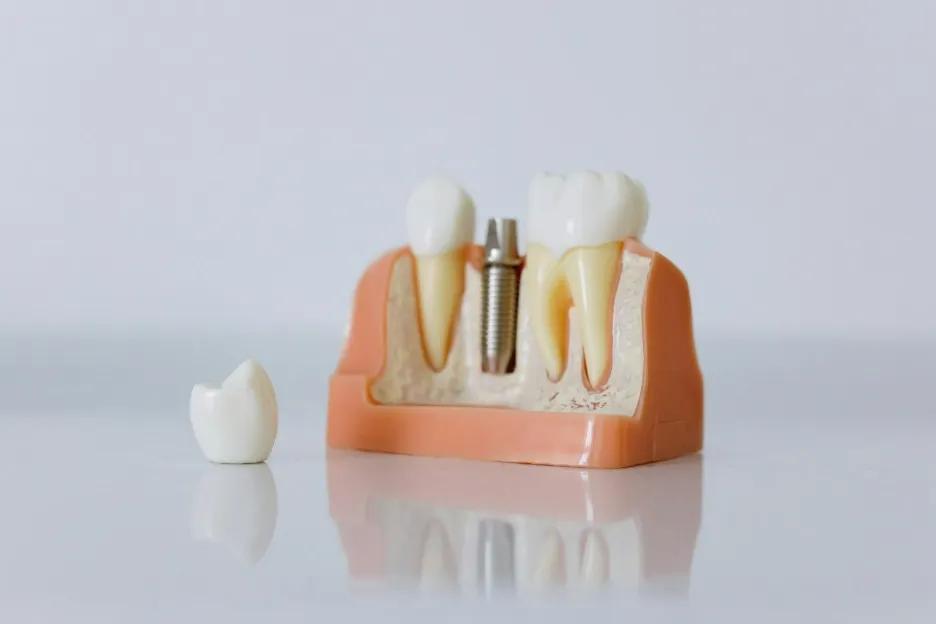
Missing teeth might seem like a cosmetic problem that is easy to overlook, especially when the gap hides in the back or out of sight. However, what happens beneath the gumline tells a much bigger story. Every time a tooth is lost and not replaced, the jawbone in that area begins to deteriorate. And the effects surface in unexpected ways that could compromise the overall oral health.
This is where dental implants come into focus, a method that has long been recognized for its impactful results. To better understand their importance, let’s first look at what happens after tooth loss.
A Quick Overview of How Bone Loss Begins After Tooth Loss
Bone is living tissue. It constantly regenerates, and that regeneration depends on stimulation. In the jaw, that stimulation comes from the pressure and movement created when you bite and chew. Your tooth roots transmit those forces into the jawbone, essentially signaling to the bone cells: you are needed, keep rebuilding.
When the tooth is removed, that signal disappears. Without stimulation, the bone begins a process called resorption, where the body breaks down bone tissue and reabsorbs the minerals elsewhere. Research shows that up to 25% of bone width in the jaw can be lost in just the first year after a tooth is extracted.
What makes this particularly concerning is that the process does not stop. Bone loss is progressive, meaning a small gap can evolve into significant structural change across the jaw. Traditional solutions, such as artificial teeth and bridges, do nothing to counteract this. Because they sit above the gumline, the bone beneath continues to shrink.
With this in mind, here are the key reasons why dental implants are essential for maintaining bone health and supporting overall jaw strength.
Replicating Natural Roots to Preserve Bone
The titanium post that forms the base of a dental implant isn't just a screw holding a crown in place. It functions as an artificial root, embedding into the jawbone and integrating with it through a biological process called osseointegration. Over several months, the bone gradually grows around the titanium implant, firmly securing it in place. This bond is remarkably strong, often rivaling the durability of natural tooth roots. More importantly, it restores the stimulation that the bone depends on to stay healthy.
Each time you bite down on an implant-supported tooth, the mechanical load transfers through the crown, down the post, and into the surrounding bone. The bone responds the way it always has, by maintaining its density and volume.
This level of integration depends on precise placement and surgical planning. That’s why procedures performed in specialized hands, like those at Malmquist Oral and Maxillofacial Surgery, are designed to support long-term bone stability. Patients who receive implants soon after tooth loss can preserve most of their bone. In some cases, they may even see minor regeneration.
Maintaining Facial Structure
The jawbone is known for anchoring your teeth, but its role goes further. It shapes the lower third of your face, supports your cheeks, and maintains the distance between your nose and chin. When bone resorption takes hold over the years, those structural supports quietly diminish. The result is a facial appearance often described as sunken or aged. This is where the cheeks appear hollow, the chin seems to jut forward, and fine lines deepen around the mouth. People frequently notice this change in long-term temporary tooth wearers, whose bone loss has accumulated without intervention.
Implant dentures interrupt this cycle before it reaches that stage. They actively maintain bone volume, which also helps retain facial contours for years. From a purely aesthetic standpoint, this is significant. But the functional benefits are equally compelling. A stable jaw supports proper bite mechanics, clear speech, and comfortable chewing across a wide variety of foods.
Preventing Tooth Shifting
Teeth don't stay where they are put unless they have neighbors to lean on. When a tooth is lost, the teeth on either side of the gap lose that contact point. Without it, they begin to drift, tipping gradually into the open space. Opposing teeth, those directly above or below the gap, may begin to over-erupt. They grow longer as they seek the resistance they no longer have. This chain reaction disrupts bite alignment and creates uneven pressure across the jaw. As a result, it causes jaw joint problems, headaches, and accelerated wear on certain teeth.
A dental implant fills the gap and holds the surrounding teeth in their correct positions. There's no space for neighboring teeth to migrate toward, and no missing opponent for the opposite tooth to chase. The entire architecture of the bite remains intact. Orthodontists, general dentists, and oral surgeons know that replacing a missing tooth promptly is one of the most preventive measures available. Waiting can mean months or years of gradual misalignment that requires far more complex treatment to correct later. Sometimes, it involves orthodontic work or additional restorations.

Supporting Overall Health
Good oral hygiene and general health are deeply connected, a relationship that researchers continue to document in study after study. Tooth loss and the bone deterioration that follows do not exist in a vacuum. People who have lost multiple teeth without adequate replacement often struggle with nutrition, as their ability to chew is hindered. Hard vegetables, lean proteins, and fibrous fruits become difficult to eat, which causes many people to default to softer, often less nutritious foods. Over time, that dietary shift can affect weight, energy levels, and chronic disease management.
There's also the psychological dimension to consider. Studies have found that tooth loss affects self-esteem and social engagement. People become reluctant to smile, speak publicly, or eat with others. That withdrawal carries its own health consequences, including increased risk of social isolation and depression. Dental implants restore more than function. They can help regain confidence, participation, and quality of life in ways few could imagine. Their natural appearance and function are so realistic that patients often forget they even have them.
Recognizing When Implants Are the Right Choice
Not every patient qualifies for dental implants, and that's worth acknowledging honestly. Adequate bone density is required for the titanium post to anchor properly.
Patients who have experienced substantial bone loss may require bone grafting before receiving an implant. It's a method where bone material is added to the jaw to rebuild the volume needed for a successful implant. Certain health conditions, including uncontrolled diabetes and some autoimmune disorders, can affect how well the bone heals around the implant. Smokers face higher failure rates and may be advised to quit before undergoing the procedure.
That said, the vast majority of adults in good general health are candidates for implants. A thorough evaluation by a specialist, including 3D imaging, dental X-rays, or CT scans, provides a clear picture of what preparation may be needed. Early consultation doesn't lock you into any commitment, but it does give you options.
Closing Thoughts
A dental implant can do wonders for your overall oral health. Beyond replacing missing teeth, it is a long-term investment in your comfort, function, and confidence. Be sure to choose a skilled dentist to ensure the procedure is done precisely. This step can truly transform a once self-conscious smile into one you’re proud to show off.