

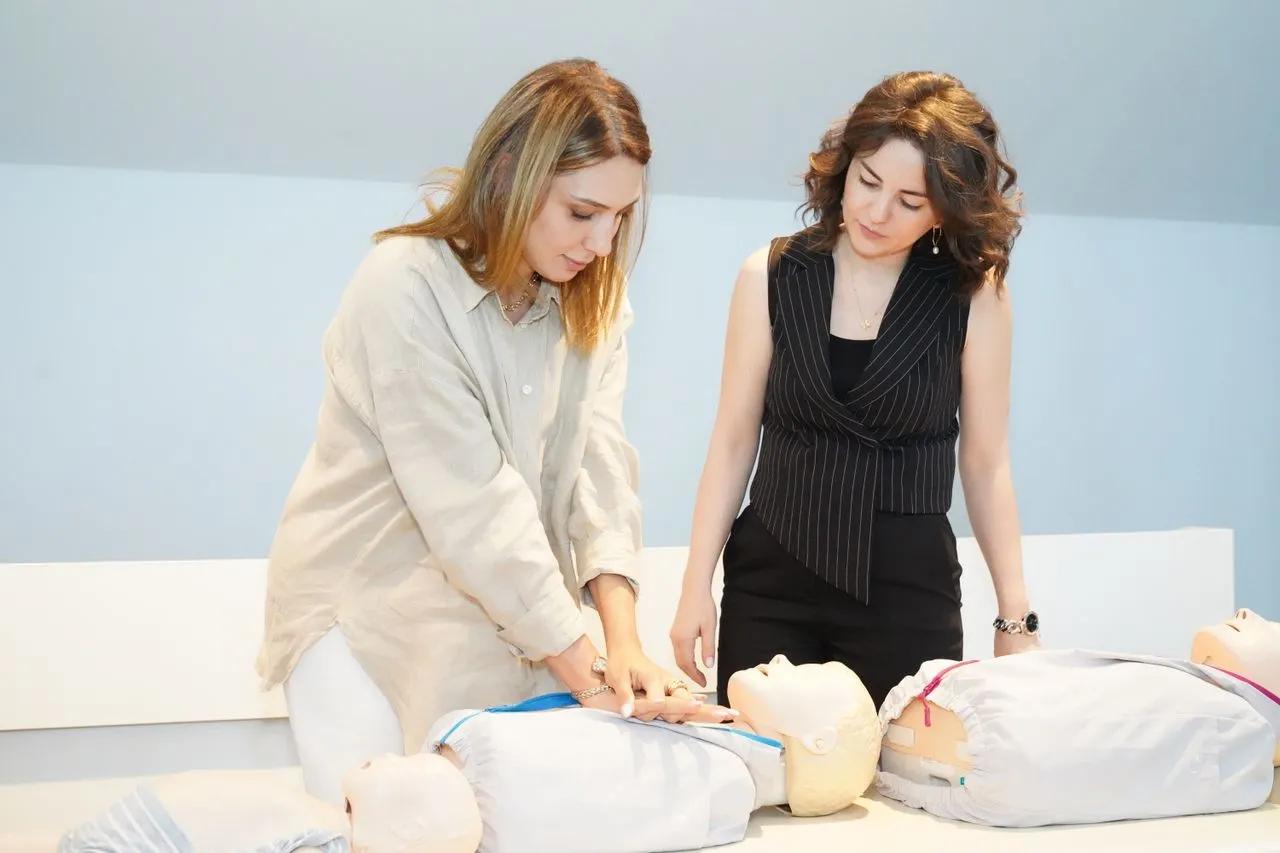
Workplace emergencies do not wait for the right supervisor, shift, or job title. A trained coworker can recognize cardiac arrest, begin chest compressions, control severe bleeding, or respond to choking before emergency medical services arrive. Those first actions protect lives and give professional responders better conditions when they reach the scene. First aid and CPR training therefore belongs across the workforce, not within one department. The right program prepares every team for realistic incidents.
Why Every Department Needs Basic Response Skills
Training should match workplace risks and assigned responsibilities. Construction crews need practice with bleeding and crush injuries, while childcare staff need age-specific CPR and choking response. Employers seeking first aid training in Michigan should assess work locations, staffing patterns, and emergency response times before choosing a class. That review places trained responders near employees who need immediate care, rather than relying on someone working another shift.
An emergency plan works only when employees know their first actions. A worker should check scene safety, call 911, direct someone to meet emergency crews, and use available protective equipment. Another employee can bring an automated external defibrillator while the responder begins care. Clear assignments reduce delays and prevent multiple people from making the same call while no one starts treatment.
What Employees Need To Practice
Hands-on practice matters because emergency care depends on proper technique and timing. Participants should assess responsiveness, identify abnormal breathing, perform chest compressions, use an AED, control bleeding, bandage wounds, and provide choking relief. Practice with adults, children, and infants provides procedures suited to each group. Instructors should also teach employees to communicate clearly and continue care until EMS arrives.
Different teams face different incident patterns. Manufacturing and construction workers encounter machinery injuries, falls, and burns. Transportation crews need plans for roadside incidents and delayed access to emergency services. Healthcare offices handle patient or visitor emergencies, while schools and childcare centers need age-specific response skills. A common course can establish basic actions, then supervisors can add drills that reflect each workplace's hazards.
Why Timing Changes Outcomes
Response speed depends on preparation before an incident. Employees should know where first aid supplies, AEDs, emergency exits, and posted phone numbers are. A supervisor should confirm that access routes remain clear and that workers can describe the site location to dispatch. These details matter at remote facilities, large job sites, and buildings where emergency crews need directions upon arrival. Clear signs and a simple floor plan support that handoff.
Employers should involve supervisors in course planning because they know staffing gaps and daily work patterns. A post-training skills review shows whether employees remember how to call 911, start CPR, retrieve an AED, and hand care to EMS. Managers can then repeat the parts workers perform incorrectly instead of scheduling identical instruction for everyone.
Training Must Fit The Workplace
Training also needs a practical delivery plan. Classes can take place at a clinic or at the employer's facility, depending on group size, location, and operating hours. On-site instruction removes employee travel and keeps practice close to the equipment and spaces where incidents happen. Scheduling during shift changes, slower periods, or after hours helps managers train more people without stopping essential operations.
Compliance And Program Management
Employers should connect training records to their broader safety process. Many workplaces must maintain certified first responders because of OSHA rules, state licensing requirements, or industry-specific duties. A manager should track each employee's attendance, certification dates, and renewal deadlines. The program lists a two-year certification period, so a written reminder system helps prevent expired credentials from leaving a shift without trained coverage.
Measuring Readiness
A useful evaluation asks whether employees can perform the required actions, not whether they attended a lecture. Supervisors can watch a responder locate the AED, begin compressions, call 911, and control simulated bleeding. Managers should record gaps afterward and schedule refresher practice. The process also identifies coverage problems, such as a trained employee who rarely works during the busiest shift.
Conclusion
Every team needs a role during the first minutes of a workplace emergency. Effective training combines CPR, AED use, bleeding control, choking relief, scene assessment, and job-specific communication practice. Employers should map hazards, identify coverage gaps, choose hands-on instruction, and track each certification date. The next step is practical: review the emergency plan this month, then schedule training for every shift that lacks a prepared responder on site.