

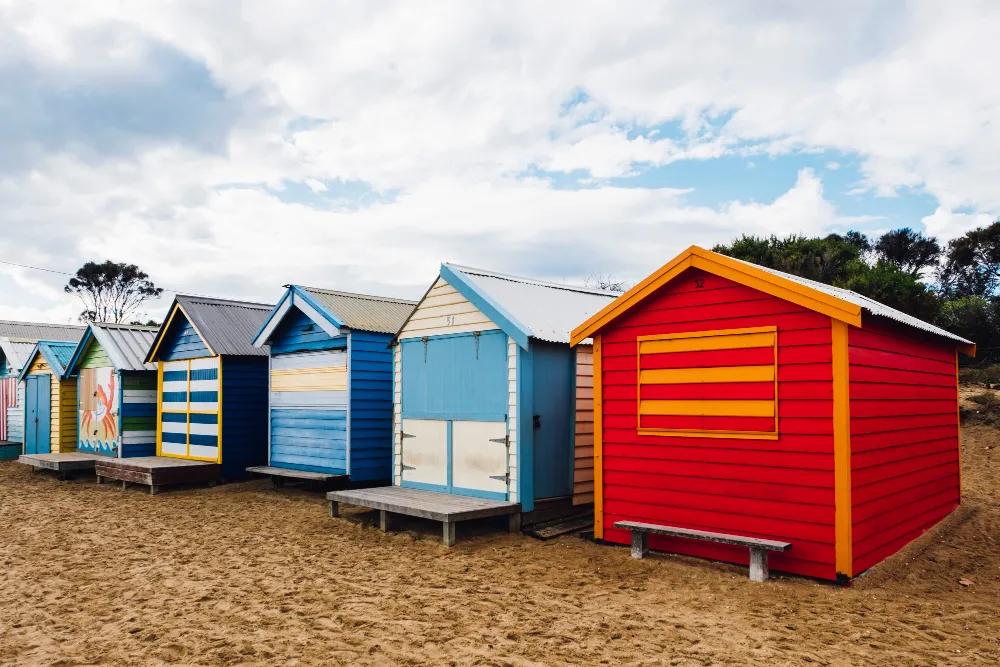
A storage shed can solve clutter, protect equipment, and make outdoor work easier, but the right choice depends on more than size alone. Buyers need to think about climate, layout, access, materials, and long-term use before placing an order. A shed that fits today's needs but ignores future storage plans can feel cramped within a year. Careful comparison helps homeowners choose a building that stays useful, durable, and simple to maintain and budget wisely.
Local conditions should shape early choices because snow load, freeze-thaw cycles, and wet spring ground affect performance. Homeowners comparing options for storage sheds in Eau Claire, WI, often benefit from checking roof pitch, floor framing, and delivery access before choosing dimensions, since those details decide how well the structure handles daily use, seasonal gear, and heavy items without repairs becoming a constant concern.
1. Size and Usable Capacity
A shed should fit what will be stored now, with a clear margin for later. Lawn mowers, bicycles, snow blowers, bins, and garden tools all need floor space, but walkways matter too. A sensible rule is to measure large items first, then add at least two feet of clearance around high-use equipment.
Vertical space is easy to overlook. Lofted designs can hold holiday bins or camping gear without crowding the floor. Taller walls also make shelving more practical, especially when small items need labeled, visible spots.
Before purchasing mixed storage, sketch out the zones on paper. This quick step shows whether the chosen footprint leaves room for shelves, hooks, and safe turns.
2. Site Conditions and Placement
The best shed location is level, dry, and easy to reach. Low spots collect water, which can shorten floor life and make winter access unsafe. A gravel pad often gives better drainage than bare soil, especially in areas with heavy rain or spring thaw.
Placement should also account for doors, roof overhang, and nearby fences. If a mower, cart, or utility vehicle must enter, the approach should be straight enough for comfortable movement. Local setback rules and neighborhood standards also deserve a careful review before installation.
3. Materials and Weather Resistance
Materials decide how well a shed handles sun, moisture, wind, and repeated use. Pressure-treated floor framing also helps resist ground moisture. Engineered siding can limit swelling and surface damage when kept painted or sealed. Metal roofing may shed snow well, while asphalt shingles can match a home more closely.
Hardware also matters as much as wall panels. Hinges, latches, vents, and door thresholds take daily wear. Look for tight joints, covered fasteners, and airflow that reduces trapped humidity during warm months.
In cold regions, a steeper roof can reduce snow buildup and limit ice pressure near edges.
4. Door Style and Interior Layout
Access determines whether a shed feels convenient or frustrating. Double doors work well for wide equipment, while a single entry suits hand tools and smaller supplies. Ramp width should match the largest wheeled item, with enough strength for loaded carts or machines.
Inside, storage zones should match use patterns. Frequently used items belong near the entrance. Long-handled tools can hang on wall racks. Bulky seasonal goods can move to rear corners or overhead spaces. A simple layout reduces wasted time and keeps the floor safer.
5. Budget, Delivery, and Long-Term Value
Price should be judged against useful life, not only upfront cost. A cheaper shed may become pricier if floors sag, doors bind, or siding needs early replacement. Compare framing, warranty terms, site preparation, and included options before focusing on the final number.
Delivery logistics can affect both cost and placement. Narrow gates, steep driveways, soft ground, and overhead wires may require extra planning. Confirm access measurements before scheduling. A shed that arrives smoothly and sits on a solid base usually performs better for years.
Ask what is included in the quoted price, such as anchors, ramps, permits, blocking, or site work. Small line items can change the total.
Conclusion
Choosing a storage shed is easier when each decision links back to real use. Size, site, materials, access, and value all shape how well the building performs after delivery. The strongest choice is rarely the largest or cheapest option.
It is the shed that fits the property, protects the right items, and leaves enough room for changing needs. Careful planning turns a simple structure into reliable storage for daily life through every season.