

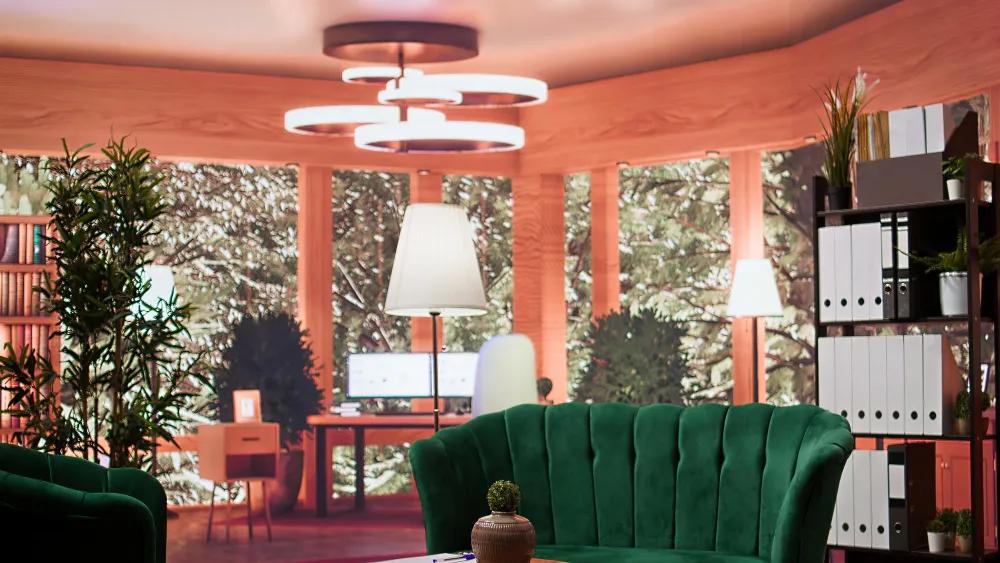
decorative-metal-ceilings
When planning a home renovation, ceilings are often overlooked. Homeowners usually focus on flooring, wall colors, lighting, and furniture. However, the ceiling can have a major impact on how a room looks and feels.
Decorative metal ceilings offer another way to add texture, visual interest, and a modern touch to residential interiors. Available in different patterns, colors, and finishes, they can work in a variety of spaces, from contemporary living rooms to elegant dining areas.
But are metal ceilings the right choice for every home? Understanding their benefits, limitations, and installation requirements can help homeowners make a more informed decision.
What Are Decorative Metal Ceilings?
Decorative metal ceilings use metal panels or other metal elements to enhance the appearance of a ceiling. Depending on the design, they can create a subtle accent or become a central feature of the room.
Common options include flat metal panels, perforated designs, geometric patterns, and panels with textured or decorative finishes. Stainless steel is one possible material, while the final appearance can range from brushed silver to black, bronze, or antique-inspired tones.
Some designs have a clean, minimalist look. Others feature intricate patterns that add depth and character to an interior.
The best option depends on the room's overall style, ceiling height, lighting, and intended use.
5 Benefits of Decorative Metal Ceilings in Home Renovations
1. They Add Visual Interest to Plain Ceilings
A simple ceiling can make a room feel unfinished, especially when the rest of the interior has carefully selected materials and furnishings.
Decorative metal panels introduce texture and pattern without requiring major changes to the room's layout. A geometric design can complement a contemporary interior, while a bronze-toned finish can add warmth to a space with wood furniture and neutral colors.
For homeowners who want a distinctive feature without covering every wall with decorative materials, a metal ceiling can provide a balanced solution.
2. They Complement Different Interior Design Styles
Metal ceilings are not limited to industrial-style homes. Their appearance depends largely on the material, finish, and pattern.
For example, brushed stainless steel can suit a minimalist interior, while black metal panels can complement modern architectural details. Bronze or antique-inspired finishes may work well with warm lighting, natural wood, and stone surfaces.
The key is to coordinate the ceiling with existing finishes rather than treating it as an isolated design element.
Homeowners should also consider how metallic surfaces will look under natural daylight and artificial lighting, as both can affect the perceived color and texture.
3. They Offer a Range of Design Possibilities
One advantage of decorative metal is the variety of patterns and surface treatments available.
Options may include perforated panels, laser-cut patterns, brushed textures, polished surfaces, and embossed designs. These choices allow homeowners and designers to create different visual effects without changing the basic structure of a room.
For example, a simple panel design may suit a small home office, while a more detailed pattern could work as a feature above a dining table or in a spacious living room.
When exploring decorative metal ceiling panels, consider the pattern, finish, panel dimensions, and how the design will look when installed across the entire ceiling.
4. They Can Be Durable and Relatively Easy to Maintain
The durability of a metal ceiling depends on the metal grade, coating, finish, installation method, and surrounding environment.
Suitable metal panels can resist everyday wear and may be easier to clean than some delicate decorative surfaces. However, they are not maintenance-free. Fingerprints, dust, scratches, and water stains may still be visible, particularly on polished finishes.
Before choosing a product, ask about its cleaning requirements and resistance to corrosion. In rooms exposed to moisture, the material and finish should be appropriate for the expected conditions.
A well-selected metal ceiling can provide a long-lasting decorative feature when properly installed and maintained.
5. They Can Work with Integrated Lighting
Lighting is an important part of ceiling design. Metal panels can be incorporated into layouts that include recessed lights, pendant fixtures, or concealed lighting, depending on the ceiling system.
Perforated panels may also create interesting visual effects when combined with suitable lighting. However, the result depends on the pattern, light source, and space above the ceiling.
Planning lighting and panel placement together helps avoid awkward fixture positions and unnecessary cutting during installation.
Electrical access, ventilation, and maintenance openings should also be considered before the final design is approved.
Where Do Metal Ceilings Work Best in a Home?
Decorative metal ceilings can be used in several residential spaces, but the most suitable application depends on the room's function and the specific product.
Living rooms: A metal ceiling can create a focal point in a contemporary living area, especially when paired with restrained wall colors and simple furniture.
Dining rooms: A decorative panel above a dining table can help define the dining zone in an open-plan home.
Home offices: Simple metal patterns and understated finishes can create a clean, professional-looking environment.
Entryways and hallways: Metal ceiling details can add visual interest to transitional spaces that might otherwise feel plain.
Kitchens and bathrooms: Metal panels may be suitable in some applications, but moisture, condensation, cleaning products, and ventilation must be considered. Choose a material and finish designed for the actual conditions.
In every room, the ceiling design should complement the existing architecture rather than compete with other prominent features.
What Should Homeowners Consider Before Installation?
Although decorative metal ceilings offer several design advantages, they require careful planning.
Ceiling Height and Room Proportions
Detailed patterns and lowered ceiling systems can make a room feel visually busier or reduce the available ceiling height. In smaller rooms, simpler patterns and lighter finishes may create a more balanced appearance.
Before ordering panels, check the dimensions of the room and understand how much space the complete ceiling system will require.
Material and Finish
Different metals and finishes have different characteristics. Stainless steel, for example, is available in a range of surface treatments, but the appropriate grade still depends on the installation environment.
Brushed finishes may help make minor marks less noticeable than highly reflective surfaces. Dark finishes can create contrast, while bronze tones can introduce warmth.
Ask the supplier for material specifications, finish samples, and care instructions before making a final decision.
Installation and Structural Support
Metal panels must be supported by a suitable ceiling structure or mounting system. Panel weight, dimensions, fixing methods, and access requirements should all be reviewed before installation.
Some decorative designs may require precise alignment, particularly when patterns repeat across multiple panels. Professional installation can help achieve a consistent finish and reduce fitting problems.
For overhead installations, the fixing system must be suitable for the panel weight and the building structure. Local building requirements should also be followed.
Fire Safety, Acoustics, and Building Requirements
A decorative metal finish does not automatically make a complete ceiling assembly fire-rated or acoustically effective.
If fire performance is important, check the ratings and documentation for the complete system, including any backing materials and insulation. Similarly, perforated metal panels may be used with suitable acoustic materials, but their sound-absorption performance depends on the full assembly rather than the metal surface alone.
Homeowners should confirm applicable building requirements with their contractor before installation.
Budget and Long-Term Maintenance
The total cost includes more than the metal panels themselves. Custom patterns, special finishes, supporting structures, labor, lighting integration, and access panels can all affect the final price.
Request a detailed quotation that covers materials, installation, and any additional components. Comparing complete installed costs provides a more useful basis for decision-making than comparing panel prices alone.
Are Decorative Metal Ceilings Worth Considering?
Decorative metal ceilings can be a good choice for homeowners who want to introduce distinctive patterns, durable finishes, and a contemporary look into their renovated spaces.
They are particularly worth considering when the ceiling is intended to be a visible design feature rather than simply a background surface. However, they may not be the best solution for every budget, room, or building condition.
The most successful projects begin with a clear design goal, suitable material selection, and careful coordination between the ceiling, lighting, and supporting structure.
Before choosing a metal ceiling, compare samples, review installation requirements, and discuss maintenance expectations with your contractor. With the right planning, decorative metal panels can become a practical and attractive part of a modern home renovation.