

Bathroom Countertop Materials Compared: Why Sintered Stone Beats Marble in Wet Areas
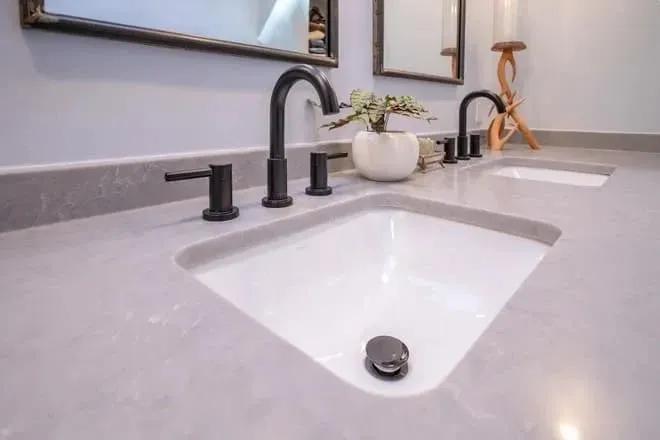
A bathroom is one of the most moisture-prone areas in a home, making countertop material an important factor in long-term performance. Beyond aesthetics, a bathroom countertop should resist water, stains, and everyday wear while remaining easy to maintain. Although marble continues to be valued for its timeless appeal, engineered alternatives are increasingly preferred for wet environments. Among them, sintered surfaces offer a balance of durability, low maintenance, and modern design.
What Makes a Good Bathroom Countertop Material?
A bathroom countertop is expected to withstand far more than occasional use. Daily exposure to water, cosmetics, cleaning products, and fluctuating temperatures requires a material that maintains both its appearance and structural integrity over time. Beyond aesthetics, long-term performance has become a key factor in modern bathroom design.
Some of the most important qualities to consider include:
Moisture resistance: The material should resist water absorption to prevent swelling, discolouration, or long-term damage.
Durability: It should withstand scratches, impacts, and everyday wear without losing its finish.
Low maintenance: Surfaces that require minimal sealing or specialised care are easier to maintain.
Hygiene: Non-porous materials help reduce the accumulation of bacteria, mould, and mildew.
Design versatility: A wide range of colours, textures, and finishes allows the countertop to complement different bathroom styles.
These factors have influenced the growing preference for engineered materials that balance visual appeal with practical performance.
Popular Bathroom Countertop Materials Compared
Modern bathroom countertops are available in a variety of materials, each offering distinct advantages in terms of appearance, durability, and maintenance. Understanding how these materials perform in wet environments helps determine which option is best suited for long-term use.
Marble
Marble has long been associated with luxurious bathroom interiors due to its natural veining and timeless appeal. It creates an elegant look that complements both classic and contemporary spaces. However, as a porous natural element, marble requires periodic sealing and careful maintenance to protect it from moisture, stains, and etching.
Granite
Granite is valued for its strength and unique natural patterns. It offers better scratch and heat resistance than many other natural materials, making it a durable option for bathroom countertops. Like marble, however, granite is porous and benefits from regular sealing to maintain its performance in moisture-prone environments.
Quartz
Quartz surfaces are manufactured by combining natural quartz with resins to create a non-porous, consistent material. They offer good resistance to stains and everyday wear while requiring less maintenance than many quarried materials. Their wide range of colours and patterns also makes them suitable for different bathroom styles.
Sintered Surfaces
Sintered surfaces are manufactured under extremely high heat and pressure using natural minerals, resulting in a dense, non-porous surface. It offers excellent resistance to moisture, scratches, stains, and heat, making it particularly suitable for a bathroom vanity top. For example, brands such as Neotra Advanced Surfaces offer marble-inspired surfaces like Fenice Crema, which recreate the look of natural marble while providing superior resistance to moisture, stains, and everyday wear for bathroom countertops.
Each material brings unique characteristics to a bathroom countertop. Comparing their performance in wet environments provides a clearer understanding of why certain materials are better suited for everyday bathroom use.
Marble vs Sintered Surfaces: Which Performs Better in Wet Areas?
Marble and sintered surfaces are both widely used for bathroom countertops, but they perform differently under moisture and daily use. While marble is appreciated for its natural appearance, sintered surfaces are engineered to deliver greater consistency and durability in demanding environments.
Water resistance:
Marble: Porous and requires sealing to reduce water absorption.
Sintered Surfaces: Non-porous surfaces with excellent moisture resistance.
Stain resistance:
Marble: Can absorb spills from cosmetics, soaps, and personal care products if left unsealed.
Sintered Surfaces: Resist stains, making everyday spills easier to clean.
Scratch resistance:
Marble: More susceptible to scratches from grooming tools and everyday use.
Sintered Surfaces: Highly scratch-resistant, helping maintain their original finish.
Heat resistance:
Marble: Performs well under moderate heat but requires proper care to prevent surface damage.
Sintered Surfaces: Excellent heat resistance makes them suitable for hot styling tools that are briefly placed on the surface.
Maintenance:
Marble: Requires periodic sealing and careful cleaning to preserve its appearance.
Sintered Surfaces: Require minimal maintenance and regular cleaning with mild products.
Long-term durability:
Marble: It can develop etching, stains, or wear over time without proper maintenance.
Sintered Surfaces: Maintain their appearance and performance even with frequent moisture exposure and daily use.
For bathrooms where moisture and durability are priorities, sintered surfaces offer a practical, low-maintenance solution with long-lasting performance.
Bathroom Countertop Designs for Different Spaces
The design of a bathroom countertop influences both functionality and aesthetics. Selecting a layout that suits the available space improves usability while creating a balanced bathroom interior.
Floating Countertops: Floating countertops are wall-mounted, creating an open and spacious look. Their clean design also makes the floor easier to clean, making it suitable for compact bathrooms.
Integrated Sink Countertops: Integrated sink countertops combine the basin and countertop into one seamless surface. Fewer joints simplify cleaning while creating a sleek, contemporary appearance.
Single Vanity Countertops: Single vanity countertops are ideal for smaller bathrooms. They provide sufficient space for everyday essentials while maintaining a compact, uncluttered layout.
Double Vanity Countertops: Double vanity countertops feature two basins on a single surface, offering additional workspace and convenience for shared bathrooms.
The right countertop design should complement both the bathroom layout and the chosen material to create a functional, cohesive space.
Choosing Colours and Finishes for Bathroom Countertops
The colour and finish of a bathroom countertop contribute significantly to the overall look and feel of the space. The right combination can make a bathroom appear brighter, larger, or more refined while complementing fixtures, cabinetry, and wall finishes.
Light colours: Make compact bathrooms feel brighter and more spacious.
Marble-inspired finishes: Add timeless elegance.
Mineral- and concrete-inspired finishes: Suit modern, minimalist interiors.
Matte and polished finishes: Choose matte for understated appeal and polished for added brightness.
A well-chosen finish enhances the visual appeal of a bathroom countertop. Still, long-term performance ultimately depends on choosing a material that suits the space, maintenance requirements, and daily use.
Conclusion
Bathroom countertops are expected to perform reliably despite constant exposure to moisture, humidity, and everyday use. While natural materials such as marble continue to offer timeless appeal, engineered alternatives like sintered surfaces provide greater resistance to water, stains, scratches, and routine wear. By carefully evaluating material performance alongside design, finish, and maintenance requirements, it becomes easier to select a bathroom countertop that delivers lasting functionality while complementing the overall bathroom interior.