

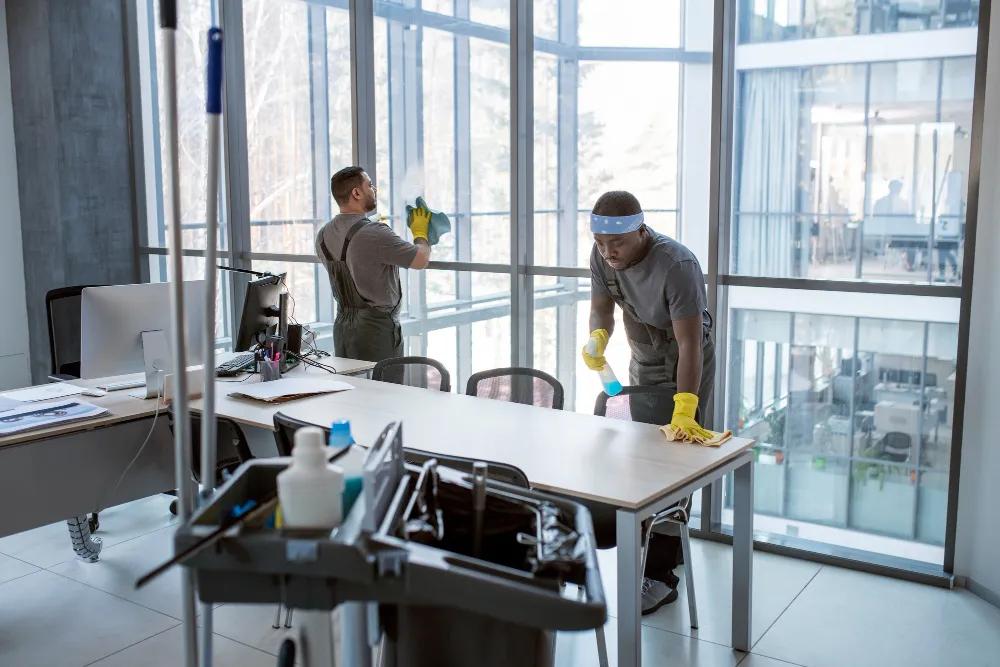
Image source: freepik
A clean workspace affects more than appearance. For many companies, commercial cleaning services madison wi are part of keeping the business presentable, reducing distractions, and making daily operations easier for staff and visitors. When an office, clinic, retail space, or shared commercial property is cleaned consistently, it feels more professional right away. Floors look better, restrooms stay stocked and usable, common surfaces don’t build up dust and fingerprints, and employees spend less time dealing with small messes that pull them away from actual work.
Commercial cleaning is also about consistency. A business may be able to handle light tidying in-house for a while, but regular deep upkeep usually slips when staff already have their own jobs to do. That is when shared spaces start looking worn, break rooms get neglected, and high-touch areas stop getting proper attention. Professional service helps prevent that slow decline. Instead of reacting only when things look bad, the business has a routine that keeps the space under control all week.
Another reason local businesses book service is flexibility. Different spaces need different levels of attention. A small office may only need recurring maintenance and occasional deeper work, while a busier commercial property may need more frequent visits and a tighter checklist. Companies like Badger Luxe Cleaning are often chosen because businesses want a plan that fits their actual workspace instead of a generic service list that does not match daily traffic or staffing patterns.
Common Cleaning Tasks for Offices and Commercial Spaces
Most commercial cleaning plans focus on the areas that affect appearance, hygiene, and daily comfort the most. In offices, that usually starts with floors, restrooms, break rooms, entry areas, desks or shared surfaces, and trash removal. Vacuuming, mopping, spot-cleaning floors, wiping reception counters, sanitizing restroom fixtures, cleaning mirrors, and restocking basic restroom supplies are some of the most common recurring tasks. These are the things people notice first when they walk in, and they are also the things that can make a workspace feel neglected fast if they are skipped.
In shared office spaces, cleaning often includes conference rooms, glass doors, interior windows, light switches, door handles, and kitchen or break room counters. These are high-touch or high-visibility areas, so they tend to need regular attention even if the rest of the space stays fairly tidy. Trash and recycling are another big part of routine service, especially in workspaces with food, packaging, or frequent client traffic.
Commercial spaces outside traditional offices may need a different mix. Retail stores often need front-of-house floor care, fitting room attention, dusting shelves or display areas, and keeping glass clean. Medical-adjacent or wellness spaces may require stricter sanitizing routines for treatment rooms, waiting areas, and touchpoints. Industrial offices or mixed-use commercial spaces may need extra focus on entryways, dirt control, and surfaces that collect dust more quickly. A good cleaning plan matches the actual use of the building instead of assuming every business works the same way.
How Scheduling Works for Weekly, Night, or Custom Service
Scheduling usually depends on traffic, business hours, and how quickly the space gets messy again after a cleaning. Some businesses do well with weekly service because the office stays relatively controlled during the week and only needs a full reset once every several days. This is common for smaller offices, professional service firms, and spaces with limited public traffic. Weekly cleaning can cover the basics well as long as employees are not creating heavy daily buildup in kitchens, restrooms, or shared work areas.
Night service is often chosen when companies want cleaning done without interrupting staff, customers, or appointments. This works especially well for offices that stay busy during normal hours, retail spaces that need to look fresh the next morning, or businesses that do not want vacuums, mops, and supply carts moving around while people are working. Evening or after-hours cleaning can make operations feel smoother because staff arrive to a clean space without losing productive time during the day.
Custom service is useful when a business does not fit a standard schedule. Some companies need two or three visits per week instead of one. Others need light maintenance more often and deeper detail work less often. Some want special focus on restrooms and break rooms, while others care most about floors, lobby presentation, and conference areas before clients arrive. A flexible provider can build around those priorities. The best schedule is not the one that sounds most impressive. It is the one that keeps the space consistently clean without paying for service frequency the business does not actually need.