

Commercial Roofing: How to Protect Your Business With the Right Roofing System
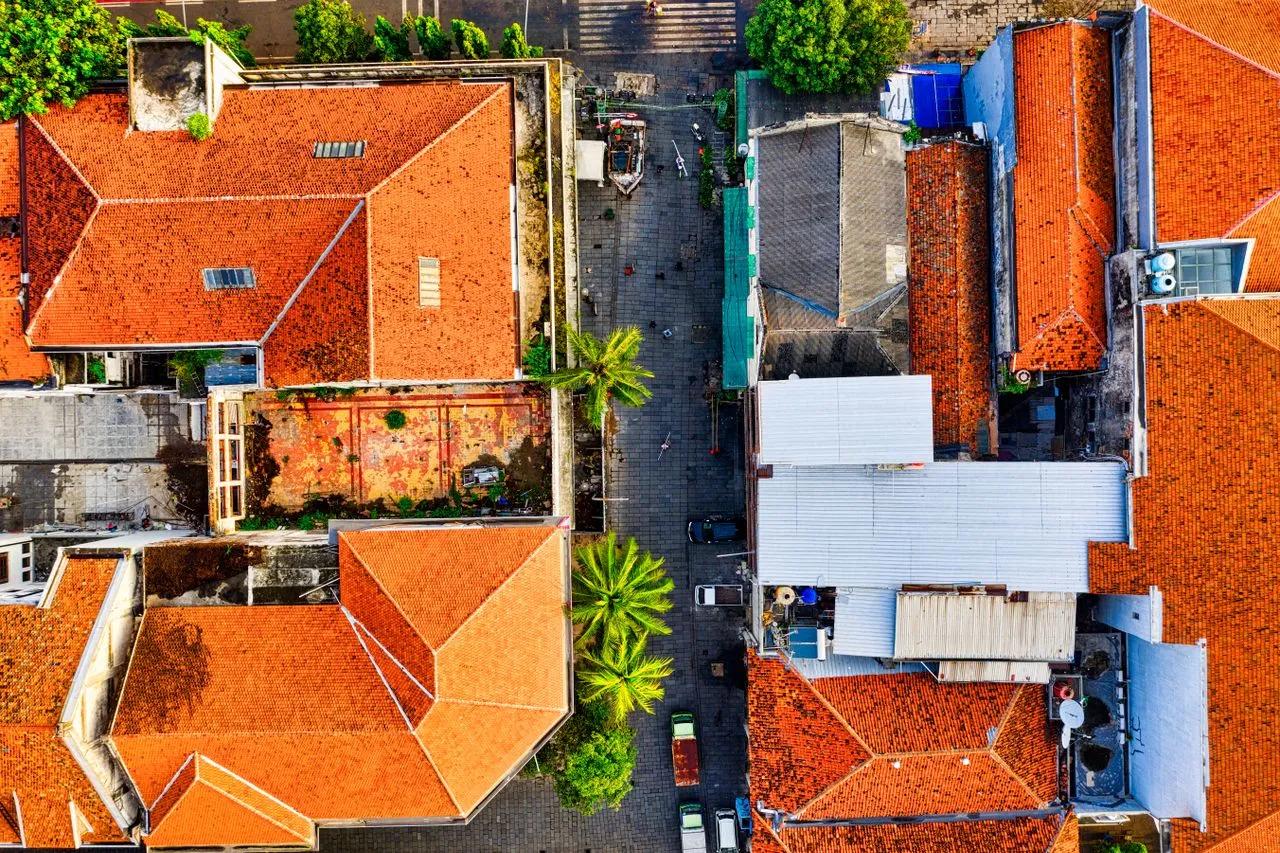
A commercial roof plays an important role in protecting business operations, employees, equipment, and inventory. Unlike many residential roofs, commercial roofing systems often cover large areas and may include specialized drainage systems, rooftop HVAC equipment, and flat or low-slope surfaces. Choosing the right materials and maintaining the roof properly can help business owners avoid disruptions and manage long-term property expenses.
Whether you own a warehouse, office building, retail store, or industrial facility, understanding your roofing options is essential. Investing in professional commercial roofing services can help extend the life of your roof, improve building performance, and reduce the risk of costly water damage.
Understanding Commercial Roofing Systems
Commercial buildings require roofing solutions suited to their structure, intended use, and environmental conditions. Many commercial properties feature flat or low-slope roofs, although some buildings use pitched roofing systems.
Flat roofs are not completely level. They are designed with appropriate slopes and drainage components to move rainwater toward drains, gutters, or scuppers. Without effective drainage, standing water can place additional stress on the roofing system and increase the likelihood of leaks.
Common commercial roofing materials include thermoplastic polyolefin, ethylene propylene diene monomer, modified bitumen, built-up roofing, and metal panels. Each system offers different advantages regarding durability, installation, maintenance, and cost.
Businesses searching for commercial roofing contractors should evaluate contractors based on their experience with the specific roofing system installed on their property. A professional familiar with membrane roofing may have different expertise from a contractor specializing in metal roofing or traditional built-up systems.
Understanding the available options helps property owners make decisions that support their building's long-term needs.
Popular Commercial Roofing Materials
Selecting the right roofing material is one of the most important decisions in a commercial roofing project. The best choice depends on the building's design, climate, budget, and maintenance requirements.
Thermoplastic Polyolefin Roofing
Thermoplastic polyolefin, commonly called TPO, is a single-ply membrane widely used on commercial flat and low-slope roofs. It typically features a light-colored surface that can reflect sunlight, depending on the product and its condition.
Businesses may consider TPO commercial roofing when they want a membrane system with heat-welded seams and relatively straightforward maintenance. Proper installation is essential to ensure seams, flashing, and penetrations remain watertight.
EPDM Roofing
Ethylene propylene diene monomer, or EPDM, is a synthetic rubber roofing membrane valued for its flexibility and resistance to weathering. It is commonly used on low-slope commercial buildings.
EPDM roofing systems can be suitable for warehouses, offices, and other commercial properties. Their performance depends on appropriate installation, seam treatment, flashing details, and ongoing inspections.
Metal Roofing
Metal roofing is another option, particularly for industrial facilities, agricultural buildings, and commercial properties with sloped roofs. Depending on the product and installation, metal systems can offer durability and resistance to various weather conditions.
Businesses considering commercial metal roofing should evaluate panel design, protective coatings, fastening methods, and the building's drainage requirements.
Modified Bitumen and Built-Up Roofing
Modified bitumen uses asphalt-based sheets reinforced with additional materials, while built-up roofing generally consists of multiple layers of bitumen and reinforcing fabrics. Both systems have a long history of use on low-slope commercial roofs.
A qualified contractor can explain which materials are appropriate for the building and compare their installation requirements, maintenance needs, and expected service life.
Recognizing Signs of Commercial Roof Damage
Commercial roof problems can develop gradually, making routine inspections important. Small defects may allow moisture to enter the building long before obvious damage appears inside.
Common warning signs include water stains on ceilings, damp insulation, blistering membranes, damaged flashing, loose metal panels, and clogged roof drains. Persistent standing water may also indicate drainage problems or an uneven roof surface.
When employees notice leaks or unusual moisture, property managers should arrange an assessment rather than relying on temporary interior repairs.
Professional commercial roof repair can address problems such as damaged membrane seams, deteriorated flashing, punctures, and localized material failure. The repair method depends on the roofing system and the source of the damage.
Prompt attention can help protect electrical equipment, stored products, furnishings, and other valuable assets. It can also reduce the risk of business interruptions caused by water intrusion.
The Importance of Regular Commercial Roof Inspections
Routine inspections allow property owners to identify developing issues before they become extensive repairs. A professional inspection generally examines visible roofing materials, flashing, seams, drainage components, rooftop penetrations, and other accessible areas.
Inspection frequency depends on the roof's age, material, exposure, and condition. Additional assessments may be appropriate after severe weather or when building occupants report leaks.
Businesses investing in commercial roof maintenance programs can benefit from documented inspections and planned upkeep. Maintenance may include clearing debris, checking drainage, identifying damaged components, and monitoring areas that have required previous repairs.
Keeping inspection reports and photographs also helps property managers track changes over time. This information can support budgeting decisions and help determine whether continued maintenance remains practical.
Regular maintenance does not eliminate every roofing problem, but it can improve visibility into the roof's condition and reduce the likelihood of preventable damage.
When Commercial Roof Replacement Makes Sense
Repairs are often suitable when damage is limited and the surrounding roofing system remains in good condition. However, replacement may become more practical when the roof has widespread deterioration, repeated leaks, extensive moisture damage, or a history of recurring repair expenses.
Before recommending replacement, a contractor should assess the existing membrane or roofing material, underlying insulation, decking, drainage, and other relevant components.
A professional commercial roof replacement project may involve removing existing materials, repairing damaged decking, improving insulation where appropriate, and installing a new roofing system. In some situations, a qualified contractor may determine that an overlay or recover system is permitted and suitable. Building conditions, existing roof layers, moisture levels, and applicable codes must be considered first.
Replacing a roof is a significant investment, so property owners should request detailed proposals outlining the materials, labor, timeline, cleanup, and warranty coverage.
Planning the project carefully can also help businesses coordinate work around deliveries, customers, employees, and essential operations.
Improving Energy Efficiency With Commercial Roofing
A commercial roof can influence a building's energy performance. Roofing materials, insulation, air leakage, and ventilation all affect how much heat enters or leaves the building.
In warmer climates, reflective roofing products may reduce solar heat absorption when appropriately selected and maintained. However, the actual energy savings depend on factors such as insulation levels, local climate, building use, and HVAC efficiency.
Businesses considering energy-efficient commercial roofing should discuss insulation improvements and reflective materials with a qualified contractor. A roof replacement may provide an opportunity to address thermal performance while correcting existing roofing problems.
Property owners should evaluate the overall building system rather than assuming that changing the roof alone will resolve high energy bills.
Choosing the Right Commercial Roofing Contractor
Selecting an experienced contractor is essential for achieving reliable results. Start by reviewing the company's commercial roofing experience, relevant licensing, insurance coverage, references, and familiarity with your roofing material.
Request a written estimate that clearly describes the proposed work and identifies any exclusions. Ask about project scheduling, safety procedures, workmanship warranties, manufacturer warranties, and how unexpected damage will be handled.
Comparing multiple proposals can help you understand differences in materials and installation methods. The lowest estimate is not always the best value if it excludes important components or offers limited protection.
A dependable contractor should explain the available options, answer questions clearly, and recommend solutions based on the building's actual condition.
Protect Your Commercial Property With Proactive Roofing
Commercial roofing requires careful material selection, professional installation, and ongoing maintenance. By scheduling inspections, addressing leaks promptly, and evaluating replacement options before deterioration becomes extensive, business owners can better protect their properties and plan for future expenses.
Whether your building needs targeted repairs, a maintenance program, or a complete roofing upgrade, investing in professional commercial roofing services can support the long-term performance of your property. A well-maintained roofing system helps safeguard business assets, supports daily operations, and provides a dependable barrier against the elements.