

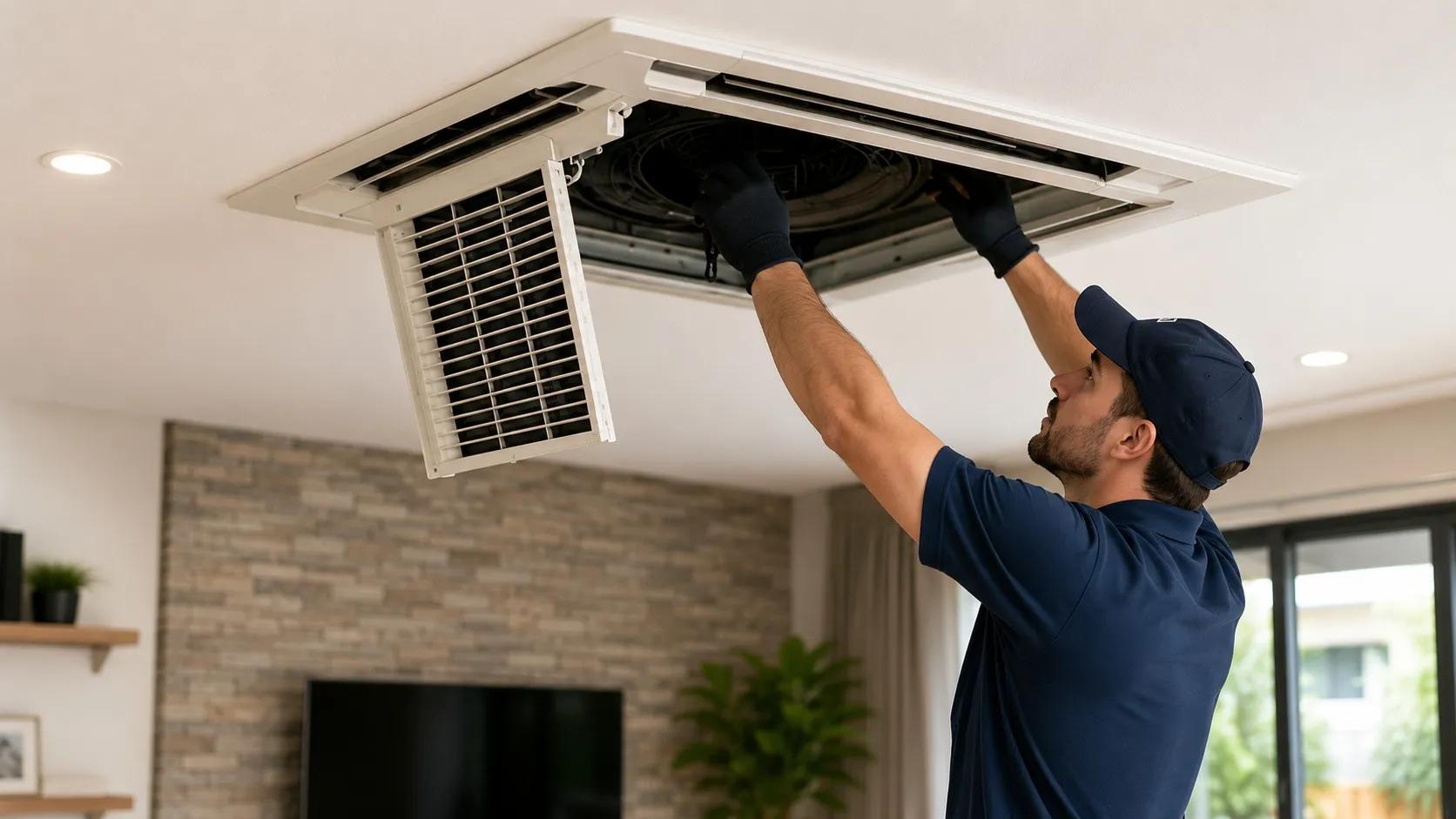
A ducted air conditioner makes it easy to keep the whole home comfortable. One central system can cool different rooms, including bedrooms, living areas and home offices, so you don’t need a separate unit on every wall. The downside is that when the system has a problem, it can affect the temperature and comfort throughout the house.
If you need air conditioning service Sydney, knowing the early signs of a problem can help you deal with it before it gets worse. The good news is that a problem does not always mean you need a whole new system. Some issues are simple to fix, while others need a professional to take a closer look.
Uneven Cooling or Heating
It can be frustrating when one room feels just right while another is still too hot or too cold. A ducted air conditioner is supposed to send conditioned air around the whole property, so a big difference in temperature between rooms is worth checking.
Several things can affect how well air moves from room to room:
Blocked vents: Furniture, curtains or other items can get in the way and reduce the amount of air coming from the vent.
Dirty filters: When dust builds up on the filters, air has a harder time moving through the system.
Thermostat location: Direct sunlight, heat from nearby appliances or draughts can affect the temperature reading.
Leaking ductwork: Cracks, gaps or damaged ducts can let cooled or heated air escape before it reaches the room.
Poor insulation: Without enough insulation, certain areas can be harder to keep cool or warm.
Incorrect system capacity: If the system is too small or not suited to the property's layout, keeping every room at a similar temperature can be difficult.
Weak Airflow From the Vents
A ducted air conditioner can still turn on and run even when the airflow is much weaker than it used to be. When not enough air comes through the vents, the system can struggle to cool or heat the home, and it can take longer to reach the temperature you want.
A dirty or blocked filter is one possible cause. If cleaning the filter does not improve the airflow, there are a few other things worth checking.
The ductwork should be inspected for crushed, disconnected or damaged sections that could be restricting the airflow. Vents and registers should also be kept clear of dust, furniture and other obstructions. The fan and motor inside the system also play an important role. If the fan is having trouble running or its parts are covered in dirt, it cannot push air through the system properly.
A few simple habits can help keep airflow in good shape:
Keep furniture and curtains clear of vents.
Check the filters regularly as part of your normal home maintenance.
Take note if the airflow suddenly becomes weaker.
Book an inspection if the airflow stays weak after basic checks.
A professional can inspect the system and work out whether the problem is linked to maintenance, the ductwork, internal parts or the overall system design.
Strange Sounds Coming From the System
Air conditioning should not suddenly become noisy enough to attract attention. New banging, rattling, squealing or persistent clicking can signal that something inside the system needs to be checked.
The type of sound can provide a useful clue:
Banging or thumping can point to a loose component or debris around the blower.
Rattling can come from loose panels, screws or objects around the ductwork.
Hissing or whistling can be associated with air escaping from ductwork or a refrigerant-related fault.
Clicking during startup or shutdown can be normal, but repeated clicking that continues during operation deserves investigation.
Squealing can indicate an issue involving moving components such as the fan or motor.
Electrical and internal mechanical components should be left to qualified professionals. If a noise is sudden, loud or accompanied by poor performance, switch the system off and arrange an inspection.
Water Leaking
Seeing water around a ducted air conditioning system is something you should not ignore. Even a small leak can cause bigger problems if the water gets into the ceiling, insulation or other parts of the property.
A ducted air conditioner produces condensation while cooling. This water needs to drain away correctly. A blocked drain line, damaged drain pan, poor drainage setup or frozen evaporator coil can cause water to build up and leak.
Restricted airflow can also contribute to frozen coils. When the ice melts, the additional water can overwhelm the drainage system.
If water is actively leaking, switch the system off and move anything nearby that could be damaged. You can check the filters for heavy dirt buildup, but recurring leaks need professional attention.
A technician can inspect the drain line, drain pan, evaporator coil and related components to identify the source and address the underlying problem.
The Air Conditioner Is Running but Not Cooling Properly
Another problem is when the air conditioner keeps running, but the room still does not feel cool enough. This can be particularly noticeable during hot Sydney days when the system has to work harder.
Cooling performance can decline because of dirty components, refrigerant problems or a system that no longer suits the property.
A higher electricity bill can also provide a clue. If the system runs harder and for longer to reach the same temperature, it can consume more energy.
Regular servicing allows the main components to be checked and can help identify whether the system is still suitable for the property.
Electrical and Control Issues
Not every ducted air conditioning fault is mechanical. Issues with power, wiring, controls or electrical components can also prevent the system from operating correctly.
Warning signs include:
The system will not turn on.
The circuit breaker repeatedly trips.
The controller does not respond properly.
The system switches off unexpectedly.
Electrical sounds or burning smells are noticed.
These symptoms should not be ignored or treated as a DIY repair. A qualified electrician Sydney can assess electrical concerns safely.
Why Is Regular Maintenance Important?
Ducted air conditioning works hard to keep an entire property comfortable, so routine care is worth considering. Regular maintenance can help identify mechanical issues and worn components before they interfere with daily comfort.
For homeowners, arranging air conditioning service in Sydney regularly is a great way to keep the system operating efficiently throughout the year. If your air conditioner is only used occasionally, once-a-year servicing is a good starting point. For heavy use, every six months is a better schedule.
A maintenance routine can include:
Keeping vents unobstructed.
Checking and cleaning filters according to manufacturer guidance.
Watching for unusual noises or odours.
Paying attention to unexplained changes in energy use.
Taking leaks or inconsistent temperatures seriously.
Conclusion
With appropriate installation, regular servicing and timely repairs, a ducted air conditioning system can continue providing comfortable temperatures across the property. Recognising problems early can also help property owners avoid unnecessary disruption and keep their cooling and heating system ready when it is needed most.