

Key Highlights
Older building materials can contain asbestos fibres, especially before renovation work starts.
Cracked, drilled, sanded, or water-damaged surfaces can raise the risk of asbestos exposure.
Asbestos testing matters because disturbed materials can create serious health risks.
Common suspect areas include cement sheets, ceiling tiles, floor tiles, and roofing materials.
The only way to confirm asbestos is through proper sample analysis by an accredited lab.
A careful asbestos inspection helps you plan work safely and avoid disturbing hidden hazards.
Introduction
Planning to renovate? That is the point where asbestos testing becomes important. In many Australian homes, older materials may hold asbestos fibres that stay hidden until cutting, drilling, or demolition starts. Once disturbed, they can create real health risks. A quick check before work begins can help you avoid costly delays, unsafe exposure, and poor decisions.
Understanding Asbestos and Its Risks in Australian Homes

Across Australian homes, the presence of asbestos was once common in many construction materials because of its heat resistance and insulation applications. You may find it in cement sheets, roofing materials, pipe insulation, and other asbestos products. Asbestos testing can help prevent exposure without obvious warning. Since different types of asbestos can carry serious health risks, testing before work starts helps you treat suspect areas properly instead of guessing.
Health Risks of Asbestos Exposure
When asbestos is disturbed, microscopic fibres can be released into the air—often invisible to the naked eye. Even minor damage can pose a serious health risk.
Exposure often occurs during activities like cutting, sanding, drilling, or breaking old materials. For example, updating a bathroom can disturb old wall sheeting or vinyl tiles and spread asbestos fibres.
These fibres are linked to serious diseases, including lung cancer. Treat any suspect material in older buildings with caution. If you notice aging, crumbling, or water-damaged materials, asbestos testing is the safest step before starting renovations.
Common Locations of Asbestos in Residential Properties
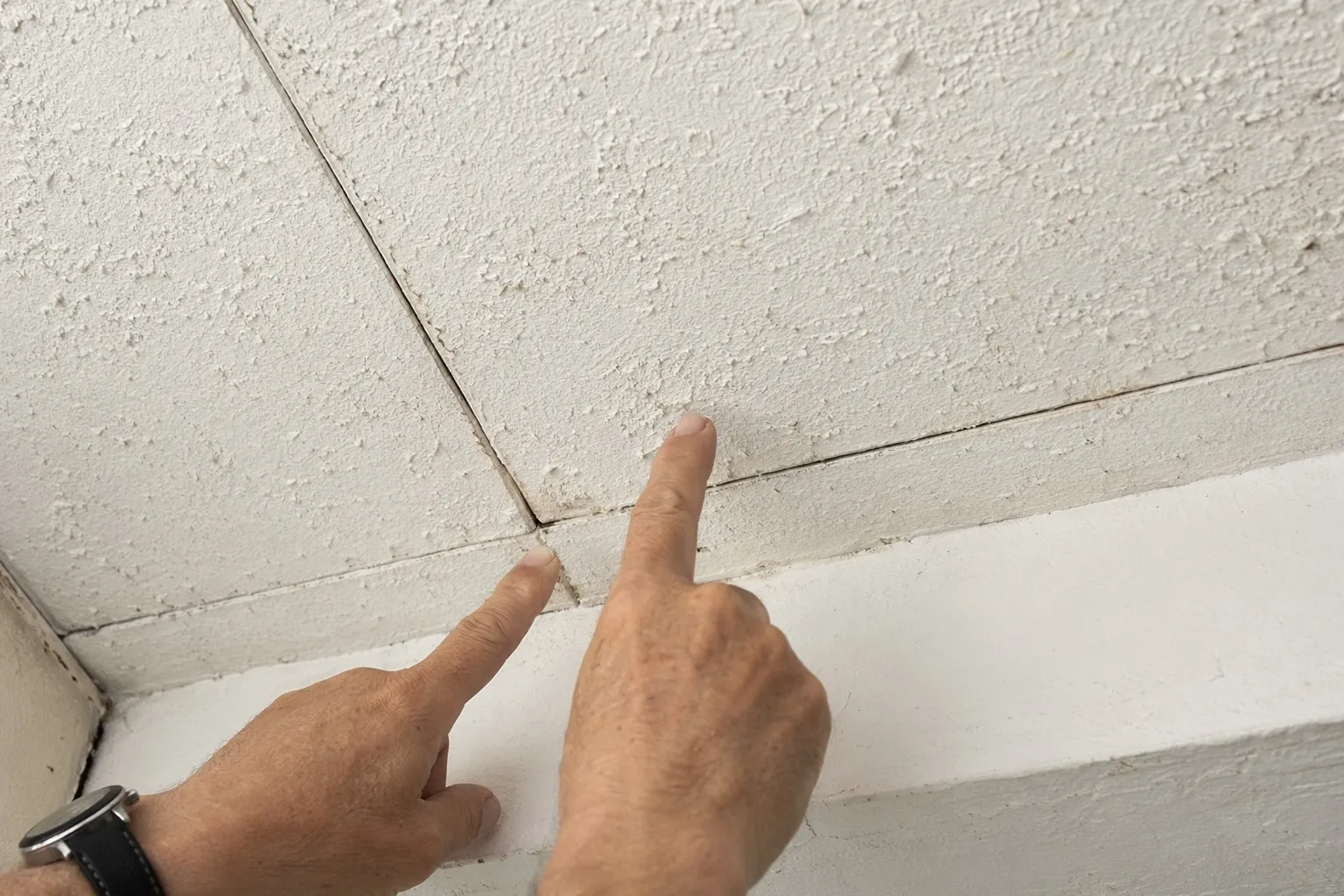
In homes, asbestos often appears in practical building materials rather than obvious hazard zones. Think asbestos cement sheets, roofing materials, ceiling tiles, and floor tiles used in older rooms, laundries, and sheds.
It can also turn up in pipe insulation, thermal insulation, and older appliances such as water heaters. Since these products can look ordinary, location alone is only a clue. The next step is knowing which warning signs deserve closer attention.
Red Flags and Warning Signs Before Renovations
Before renovations, pay attention to age, condition, and planned disturbance. Older buildings often contain asbestos material in walls, eaves, roofs, or flooring that seems harmless until work begins.
Another red flag is water damage, cracking, or flaking around old surfaces. Even materials in good condition can create a risk of exposure if you drill, cut, or remove them. These signs become clearer when you break them down one by one.
Age and Type of Property as Predictors
A strong predictor is the age of the property. In Australia, asbestos use was common in older buildings, especially those built before the late 1970s, when many construction materials still included asbestos for strength and fire protection.
The type of property also matters. Detached houses, garages, sheds, and small extensions may all contain cement sheets or insulation products from earlier building stages.
If your home fits that profile and you plan to renovate, book an asbestos inspection before work starts. That is the simplest way to find out if suspect materials need testing instead of waiting until a tradie disturbs them.
Visible Signs of Deteriorated or Damaged Building Materials
Some clues are easy to miss. You may see deteriorated materials in an old laundry or garage and assume they are just worn with age. The problem is that damage can make fibres easier to release.
Look for these visible signs:
Cracks, breaks, or crumbling edges
Swelling, staining, or softness from water damage
Dust appearing after small impacts or maintenance work
Even if a product seems in good condition, renovation can still disturb it. A neat-looking wall sheet or old tile can become risky once drilled or removed. That is why suspect materials should be checked before tools come out.
Home Renovation History — When to Be Extra Cautious
Past home renovation work can hide extra risk. A room may look modern, but older asbestos material could still sit behind new panels, under vinyl floor tiles, or above a fresh ceiling finish.
This is especially important if previous owners did partial asbestos removal or covered old products instead of removing them. In that case, the next renovation stage can trigger the release of asbestos fibres without warning.
A practical example is a kitchen refit where new cabinetry was installed over old cement sheeting. Before you cut into the wall, testing helps confirm what is underneath and reduces the chance of accidental exposure.
How to Identify Suspect Materials for Asbestos Testing
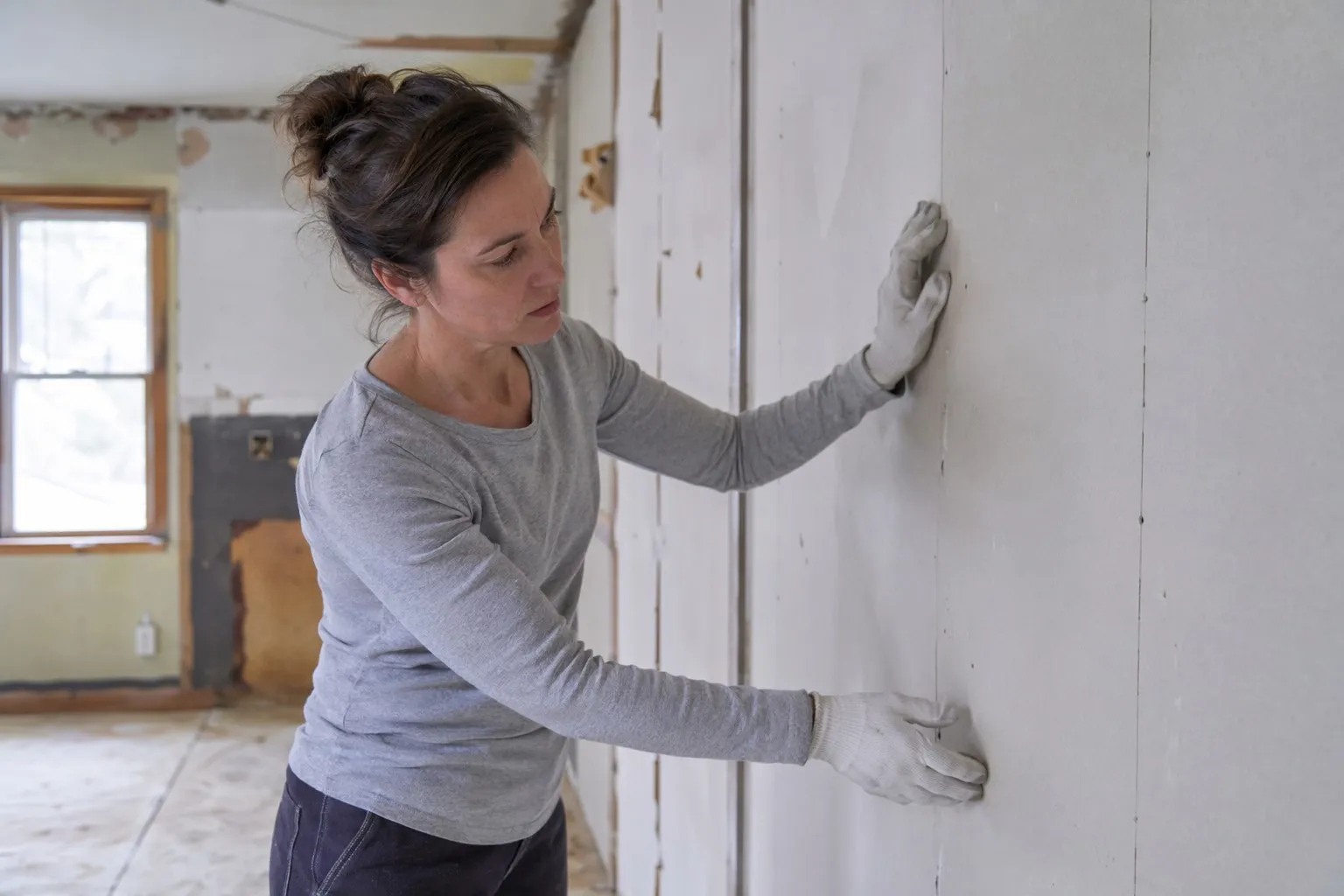
You cannot confirm asbestos by appearance alone, but you can identify suspect materials worth checking. Focus on older asbestos material used in ceilings, roofs, wall linings, insulation, and flooring.
If a product may contain asbestos fibres, treat it as unsafe until tested. The useful approach is simple: note what it is, where it is, whether it is damaged, and whether renovation will disturb it. Then move to a safer assessment process.
Visual Clues: What Suspicious Materials Might Look Like
Certain products come up often in asbestos checks. These include ceiling tiles, floor tiles, vinyl tiles, popcorn ceilings, and older roofing shingles. Their look may seem familiar, which is why people sometimes ignore the risk.
Common suspect examples include:
Old cement sheets in eaves, sheds, or wet areas
Worn vinyl floor tiles or backing underneath them
Textured ceiling finishes and ageing roof products
A useful rule is this: if the material is old and you plan to disturb it, assume it needs attention. Visual clues help you spot suspect areas, but testing is still the only way to know for sure.
Practical Steps to Assess Risk Before Disturbing Materials
Start with a basic check of the area before any work begins. Ask: how old is the material, what condition is it in, and will the job disturb it? That quick review helps you judge the risk of exposure.
Follow these steps:
Arrange an asbestos inspection if the material is older or uncertain
Avoid touching it until advice or testing is organised
If a sample is needed, use protective gear such as a P2 respirator and disposable gloves. HSE Australia also provides practical support for people needing asbestos testing in Adelaide and broader testing guidance before work continues.
Safety Precautions: What Not to Do If You Suspect Asbestos
If you suspect asbestos, do not experiment. The biggest mistake is disturbing the material first and asking questions later. Once asbestos fibres are released, clean-up becomes harder, and the area may need stricter controls.
Avoid these actions:
Do not sand, drill, cut, or snap suspect products
Do not handle samples with your bare hands
Do not leave loose debris or asbestos waste exposed
If a small non-friable sampling is being done under correct procedures, use protective gear and double-bag the sample. Otherwise, stop work and get professional help. A careful approach protects you, your family, and anyone entering the site.
The Asbestos Testing Process Explained
The process is straightforward. First, suspect material is identified during an asbestos inspection or site check. Then, asbestos sample testing is arranged so the material can be examined properly.
After collection, the sample goes to an accredited lab for analysis and reporting. Using a certified asbestos tester or qualified service matters because the result needs to be reliable, clear, and suitable for compliance decisions before renovation work moves ahead.
Who Can Legally Test for Asbestos in Australia?
In Australia, asbestos sample analysis should be handled by a qualified service using an accredited lab. The key standard to look for is recognition through the National Association of Testing Authorities, which supports confidence in the result.
HSE Australia uses a NATA-accredited laboratory and qualified technicians. That means samples are analysed under nationally recognised standards accepted for WHS, audits, registers, and compliance records.
What’s Involved in Professional Asbestos Sample Collection
Professional collection aims to keep disturbance low. During an asbestos inspection, the suspect asbestos material is located, and a small asbestos sample is taken carefully from the surface or edge.
For small non-friable samples, the guide is simple: wear a P2 respirator and gloves, use a small sharp-edged tool, and take a piece about the size of a 10-cent coin. The sample should then be double-bagged and labelled clearly.
After that, the sample goes to laboratory analysis, where techniques such as light microscopy are used for asbestos identification. The final report confirms whether asbestos is present and supports safe next steps.
How Long Does Asbestos Testing Take and When Will You Get Results?
Timing depends on the service level and when the sample is submitted. Standard testing is completed promptly, while urgent reporting may attract extra cost. Weekend timing can also affect turnaround if a sample is lodged late on Friday.
HSE Australia states that same-day results may be possible on request, with urgent 24-hour options available. That can help when renovation work is paused, and a fast answer is needed.
Quick results are useful, but accuracy matters most. Using an accredited lab gives you peace of mind that the report is dependable enough for site decisions, safety planning, and compliance records.
Conclusion
In summary, recognising when asbestos testing is needed before renovations is essential for protecting your health and ensuring a safe home. Older properties or visible damage to building materials are key warning signs. If you suspect asbestos, hire trained professionals for testing to avoid exposure. Taking these precautions safeguards you and your family and helps your renovation go smoothly. For more help with asbestos concerns, consider scheduling a consultation.
Frequently Asked Questions
Do I Really Need Asbestos Testing if My Home Was Built Before the 1990s?
Yes, it is a sensible step. Many older buildings used materials that may contain asbestos fibres, and renovation can increase the risk of exposure. Since different types of asbestos cannot be confirmed by sight, asbestos testing is the practical way to check.
Is a DIY Asbestos Testing Kit a Safe Option for Homeowners?
DIY sampling can be risky if the asbestos material is disturbed the wrong way. If a small asbestos sample is taken, correct protective gear and double-bagging are required. For many homeowners, professional asbestos testing is the safer choice before making any safe removal decisions.
How Do I Choose a Licensed Asbestos Tester or Accredited Lab in Victoria?
Look for a certified asbestos tester or service linked to a National Association of Testing Authorities recognised accredited lab. Clear reporting, qualified analysts, and experience with asbestos inspection all matter. HSE Australia highlights NATA-accredited testing standards that support reliable results.