

Table of Contents
Home Modifications
Fall Prevention
Medication Management
Fire Safety
Maintaining Social Connections
Leveraging Technology for Assistance
Transportation Solutions
Emergency Preparedness
Aging in place provides comfort, independence, and a strong sense of belonging. However, it can also introduce new safety concerns that require careful attention. Seniors and their loved ones must address these issues to maintain autonomy and security within familiar surroundings. By utilizing resources such as medical alert systems Canada can provide additional peace of mind alongside practical home adjustments.
Creating a safe and supportive home environment involves a blend of preventative steps and smart solutions. From eliminating fall hazards to embracing new technology, proactive measures help older adults continue to live confidently at home. Not only do these strategies minimize risks, but they also support physical, mental, and emotional well-being.
Family members, caregivers, and seniors themselves should assess safety needs as they evolve over time. Preparing for potential emergencies, maintaining social engagement, and optimizing the physical space are all essential components of successful aging in place. By addressing these factors, seniors can reduce potential risks and feel more secure in their homes.
Maintaining good health, easy mobility, and strong connections is vital. With the right approach, seniors can enjoy a higher quality of life while remaining independent. Guidance from reputable organizations, such as the Centers for Disease Control and Prevention, can help in planning your approach to safety and prevention.
Home Modifications
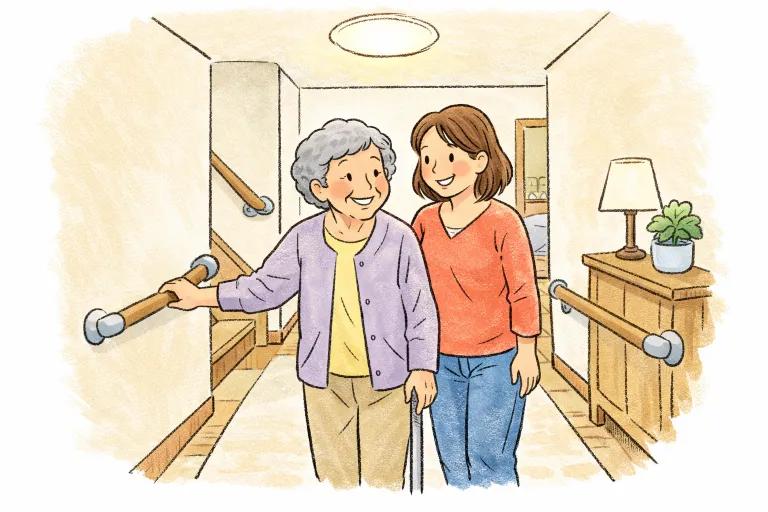
Making appropriate home modifications is the cornerstone of a safe living environment for seniors. Simple changes, such as adding grab bars in bathrooms, can prevent slips and falls. Ensure that all areas have sufficient lighting to eliminate dark spots that can hide tripping hazards. Removing loose rugs, decluttering walkways, and using non-slip mats in areas prone to moisture, such as kitchens and bathrooms, also contribute to increased safety.
Install grab bars near showers, bathtubs, and toilets.
Replace burnt-out bulbs and choose bright, long-lasting LED lights.
Secure or remove area rugs and ensure hardwood or tile floors are slip-resistant.
Install handrails on both sides of stairways.
These practical improvements help minimize the risk of accidents and reassure both seniors and their families.
Fall Prevention
Falls are among the most significant dangers facing older adults, with the potential to cause severe injury or loss of independence. Preventing falls starts with regular physical activity that maintains both strength and balance. Seniors should choose sturdy, non-slip footwear for indoor and outdoor use. Having vision and hearing checked annually ensures that any impairments can be addressed before they increase fall risk.
Participate in exercises such as walking, gentle yoga, or tai chi.
Wear supportive shoes that offer traction and a good fit.
Regularly schedule eye and hearing exams and update prescriptions for glasses or hearing aids as needed.
Enlisting professional help for in-home safety assessments is another wise step, as trained eyes can spot overlooked risks. The National Institute on Aging offers comprehensive tips on creating a safer living space
Medication Management
Proper medication management is vital for seniors, especially for those taking multiple prescriptions. Mishaps, such as missing doses or mixing incompatible drugs, can have serious health implications. Using a pill organizer helps keep daily doses in order. Technology can assist with medication reminders through alarms or mobile apps. Regular medication reviews with a healthcare provider are essential to avoid potential interactions and side effects.
Fill a weekly pill organizer to ensure the right medicines are taken at the right times.
Set strict routines and reminders for medication schedules.
Consult a pharmacist or a doctor before starting any new medications.
Staying organized helps seniors and their caregivers avoid confusion and stay on track with medication regimens.
Fire Safety
Enhanced fire safety is necessary because older adults may have slower response times in emergencies. Installing smoke detectors in every bedroom, hallway, and living space and testing them monthly provides early warnings in the event of a fire. Keeping a fire extinguisher within easy reach in the kitchen, garage, or laundry area is vital. Seniors should also minimize the use of portable space heaters or only use models with automatic shut-off features.
Test smoke detectors and replace batteries regularly.
Store at least one fire extinguisher on each floor of the home.
Keep electrical cords tidy and avoid overloading outlets.
These preparations help reduce fire risks and ensure a swift, safe response in the event of an incident.
Maintaining Social Connections
Staying socially active is vital for both mental and physical health, as loneliness is linked to various adverse health outcomes. Seniors should join activities at local community centers, attend special interest clubs, or volunteer with organizations that support older adults. Scheduling regular visits or phone calls with friends and family helps combat isolation. Participating in online forums or social media communities designed for seniors can also provide additional support and connection.
Choose at least one group activity or club per week.
Reach out regularly via video, phone, or in person to friends and family.
Explore digital communities for seniors that facilitate safe social interaction.
Maintaining strong social bonds promotes emotional resilience and overall well-being.
Leveraging Technology for Assistance
Technology plays a major role in supporting independent living. Medical alert systems can provide immediate assistance in the event of a fall or medical emergency. Smart home devices such as automated lighting, voice-activated assistants, and security cameras make daily living easier and safer. Telehealth platforms allow for virtual appointments with doctors and specialists from the safety of home.
Consider wearable devices that monitor health and call for help if needed.
Install smart door locks and video doorbells for additional security.
Use telemedicine services for primary or follow-up care.
Embracing these technology solutions can increase independence, reduce worry, and extend the length of time seniors can safely live at home.
Transportation Solutions
Reliable transportation is crucial for attending medical appointments, shopping for essentials, and participating in social activities. Community transportation services specifically designed for seniors offer an affordable, accessible option. Ride-sharing apps often offer vehicles equipped for mobility aids. When possible, arranging transportation with friends or family members further ensures reliable support for essential outings.
Explore non-profit rideshare programs or local shuttle services.
Utilize accessible transportation options for those with mobility issues.
Coordinate regular trips with friends or relatives when needed.
Remaining mobile is essential to staying healthy, connected, and independent.
Emergency Preparedness
Preparedness for unexpected events is essential for seniors living independently. Keeping a list of emergency contacts, including doctors, neighbors, and close relatives, is crucial. Every home should have an emergency kit with necessary items such as water, non-perishable food, medications, and flashlights. Seniors should have a clear, well-practiced evacuation plan for emergencies, including fires, medical issues, and natural disasters.
Maintain updated emergency contact information in an accessible location.
Check and replenish emergency kits every few months.
Practice evacuation procedures regularly to ensure readiness.
Effective emergency planning can help seniors respond confidently during crises and minimize the risk of injury or confusion.
By taking these measures, seniors can create a home environment that protects them from common hazards and empowers them to continue aging in place. Proactive planning, combined with the right resources, fosters peace of mind and ongoing well-being for older adults and their families.