

Event planning can be harder than people expect. Even simple celebrations come with decisions, deadlines, and other people to think about. When those details pile up, the process can start to feel heavy instead of exciting. That pressure is common, especially when you care about hosting something that feels smooth and enjoyable for everyone.
Planning doesn’t have to feel chaotic or draining. A few practical choices can make the process easier to manage and far less stressful overall. The sections below share straightforward tips that help keep planning organized, reduce unnecessary stress, and make celebrations feel more relaxed from the start.
Start With Clear Goals and a Realistic Plan
Before any bookings or emails happen, it helps to slow down and get clear on what you're planning. Not every celebration needs the same level of structure or formality. A seated dinner calls for different decisions than a casual get-together. Knowing the purpose early makes everything else easier, from setting a budget to deciding how much help you’ll need along the way.
Writing things down also takes pressure off your brain. A simple event planning checklist gives you one place to track what’s done and what still needs attention. Breaking tasks into stages, like planning, event day details, and follow-up, keeps things from feeling overwhelming. Your plan doesn’t need to be perfect or overly detailed. It just needs to leave room for changes without throwing everything off course.
Choose a Venue That Supports Your Vision
The venue affects almost every part of the event, whether you notice it or not. If the event space works for the number of people you’re inviting, planning feels lighter. You’re not constantly adjusting layouts, worrying about flow, or trying to fix problems that come from a space that doesn’t quite fit.
That’s why people often choose venues that are already set up for real gatherings, like the functions at Good Company or other places that can handle both seated meals and standing events without extra effort. When the space and the event managers are used to hosting events, things run more smoothly. Fewer decisions are needed on the day, and there’s less to manage once guests arrive.
Build a Guest List With Intention
Your guest list influences nearly every planning decision. Size affects budget, catering, seating arrangements, and even the energy of the room. Focus on inviting people who align with the purpose of the event and contribute positively to the atmosphere.
A simple guest list builder helps track invitations, RSVPs, and special requirements. Clear registration forms make it easier for guests to respond and provide necessary details. Staying organized here prevents confusion later and supports smoother check-in on the day of the event.
Create a Thoughtful Timeline and Event Checklist
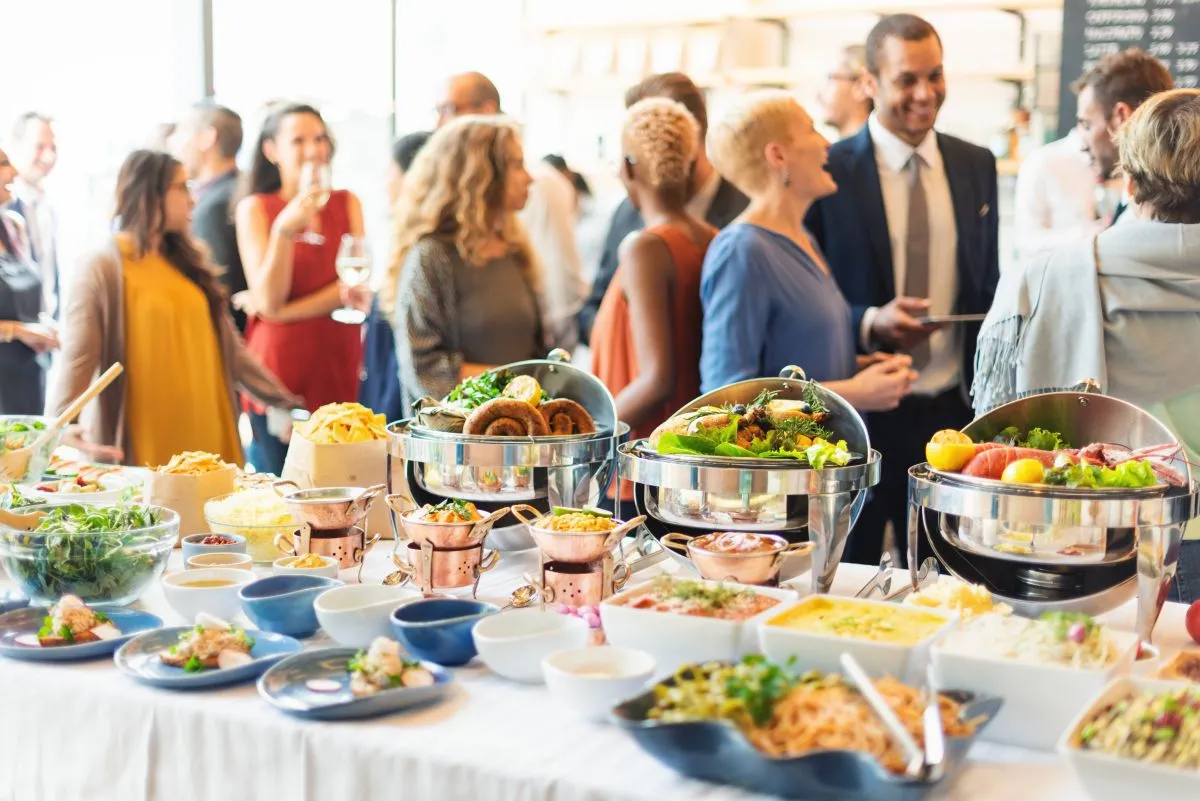
A clear timeline keeps the day from feeling rushed. Writing out an event checklist helps you see how the day flows from start to finish, which supports efficient event management without relying on last-minute decisions. This includes setup, vendor arrivals, sound checks for the PA system, and when food is served. When the schedule is clear, fewer questions come up, and fewer things get missed.
Allow buffer time between major activities. Rushed transitions often lead to mistakes and tension. A well-paced timeline gives you room to adjust without panic if something runs late.
Prioritize Guest Comfort and Engagement
Guests notice how an event feels more than how it’s planned. Comfort should come first. Seating needs enough space so people aren't squeezed together or stuck in awkward layouts. Clear signs and an easy flow help guests move around without stopping to ask questions or guess where to go.
Keeping people engaged doesn’t mean adding complicated features. Simple moments work better, like short interactive workshops, clear announcements at the right time, or ways for guests to share real-time feedback. When people feel comfortable and included, the event feels better without extra effort.
Communicate Clearly With Vendors and Staff
Planning runs smoother when expectations are shared early and revisited before the event. Vendors should know what’s required, when they're needed, and who to contact at the venue manager if something changes. Choosing partners who communicate well often prevents issues before they surface.
Staff and volunteers also benefit from clarity. A short walk-through before guests arrive helps align responsibilities and avoids last-minute confusion. When everyone understands their role, the event stays on track without constant check-ins.
Gather Feedback and Reflect Afterward
Stress-free event planning doesn’t end when guests leave. Post-event follow-up helps improve future celebrations. Use feedback forms, post-event surveys, or a short participant survey to understand what worked and what didn’t. Honest input offers valuable insight into attendee experience and event ROI.
Debriefing sessions with staff or vendors also help identify improvements. This reflection turns each event into a learning opportunity, making the next one even smoother.
Keep the Experience Human and Enjoyable
At its core, event planning is about people. Thoughtful details, clear communication, and realistic expectations create an environment where guests feel welcome and relaxed. When planning supports connection instead of control, stress naturally fades, and audience engagement remains positive.
By focusing on preparation, flexibility, and guest comfort, you create in-person events that feel organized without feeling rigid. That balance is what turns an event from a task into a memorable event experience.
Takeaway
Stress-free celebrations don’t happen by accident. They’re built through clear goals, smart planning, and attention to how guests actually experience the event. When you stay organized, communicate well, and plan for flexibility, you reduce pressure at every stage. So, focus on preparation rather than perfection. That mindset helps you stay present, handle surprises calmly, and create events that feel welcoming, smooth, and genuinely enjoyable for everyone involved.