

The air inside a home can be influenced by far more than the heating and cooling system. Cooking dinner, opening a window, cleaning the bathroom, burning a candle, or letting the dog climb onto the couch can all change what is circulating through indoor spaces. Because these activities are so routine, their connection to indoor air quality is easy to overlook.
Understanding everyday habits that can affect your home’s air quality can help you identify small changes that make indoor spaces more pleasant. Improving the air does not necessarily require changing your entire routine. In many cases, paying closer attention to ventilation, cleaning practices, moisture, and the products used around the house can make a meaningful difference.
Keeping Windows Closed for Long Periods
Modern homes are often designed to limit uncontrolled airflow, which can improve energy efficiency. However, a tightly closed home can also allow certain indoor pollutants and odors to accumulate when there is insufficient ventilation.
Opening windows when outdoor conditions are appropriate can introduce fresh air and help move stale air outside. This approach is not ideal at all times, however. High pollen counts, wildfire smoke, extreme humidity, and nearby traffic can make outdoor air undesirable. Ventilation strategies should therefore account for both indoor and outdoor conditions rather than assuming an open window is always beneficial.
Exhaust fans are another important part of ventilation. Using kitchen and bathroom fans during activities that create smoke, steam, odors, or excess moisture can help keep those contaminants from spreading throughout the house.
Letting Dust Build Up
Dust is more than a cosmetic problem. Household dust can contain a mixture of fibers, pollen, pet dander, soil particles, and other material that enters or accumulates indoors. Once disturbed, some of those particles can become airborne again.
Regular cleaning helps control that buildup, but technique matters. Dry dusting can simply send particles back into the air. Using a damp microfiber cloth on hard surfaces can capture dust rather than redistribute it. Vacuuming floors, rugs, upholstery, and other fabric surfaces can also reduce the material available to circulate.
Frequently overlooked areas deserve attention as well. Ceiling fan blades, vents, shelves, window treatments, and spaces underneath furniture can gradually collect significant amounts of dust.
Cooking Without Enough Ventilation
Cooking can change indoor air conditions surprisingly quickly. Frying, searing, broiling, and other high-temperature methods can release smoke, grease particles, odors, and gases into the surrounding space.
Using a range hood that vents outdoors can help remove cooking-related contaminants before they spread. Turning the hood on before cooking begins and leaving it running briefly afterward can improve its effectiveness.
Cooking habits can also help. Avoiding unnecessary overheating, cleaning accumulated grease, and addressing burned food promptly can limit smoke production. In homes where cooking happens several times a day, these small practices can become an important part of managing indoor air.
Using Heavily Scented Household Products
A home that smells strongly of fragrance is not necessarily a home with cleaner air. Air fresheners, scented sprays, some cleaning products, candles, wax melts, and similar items may release volatile organic compounds or other airborne substances.
This does not mean every scented product must disappear from the house. Instead, consider how frequently these products are being used and whether they are masking another issue. Persistent musty, smoky, or stale odors may indicate a ventilation, moisture, or cleaning problem that fragrance alone will not solve.
Choosing lower-emission products and using cleaners only as directed can reduce unnecessary chemical exposure. Ventilation during and after cleaning is also helpful, particularly when working in smaller enclosed spaces.
Ignoring Your HVAC Filter
The HVAC system continually moves air through much of the home, making routine filter maintenance easy to underestimate. A neglected filter can become loaded with dust and debris, potentially restricting airflow and reducing the system's ability to capture particles effectively.
There is no single replacement schedule that works for every household. Filter life depends on factors such as filter type, system usage, pets, household size, renovation activity, and local environmental conditions. Checking the filter periodically is more useful than automatically assuming it will last for a specific number of months.
Homeowners should also make sure replacement filters are appropriate for their particular HVAC systems. A filter that creates excessive airflow resistance may not be suitable simply because it has a higher efficiency rating.
Creating Too Much Indoor Humidity
Moisture has a major influence on the indoor environment. Everyday activities such as showering, cooking, drying laundry, and even breathing contribute moisture to indoor air. Plumbing leaks, foundation issues, and water intrusion can create additional problems.
When moisture repeatedly collects on windows, walls, or other surfaces, it deserves attention. Persistent dampness can create conditions favorable to mold and mildew while also contributing to unpleasant odors and material deterioration.
Bathroom exhaust fans should be used during showers and allowed to continue running afterward. Leaks should be repaired promptly, and areas affected by water should be dried thoroughly. In naturally humid environments, air conditioning or dehumidification may also help maintain more comfortable conditions.
Overlooking Airflow Between Rooms
Indoor air quality can vary from one part of a house to another. A humid bathroom, busy kitchen, dusty basement, attached garage, or room where pets spend most of their time can create different conditions.
Closing doors may help contain some temporary contaminants, but broader airflow also matters. Furniture blocking vents, closed registers, dirty ventilation components, or poorly functioning exhaust systems can interfere with normal air movement.
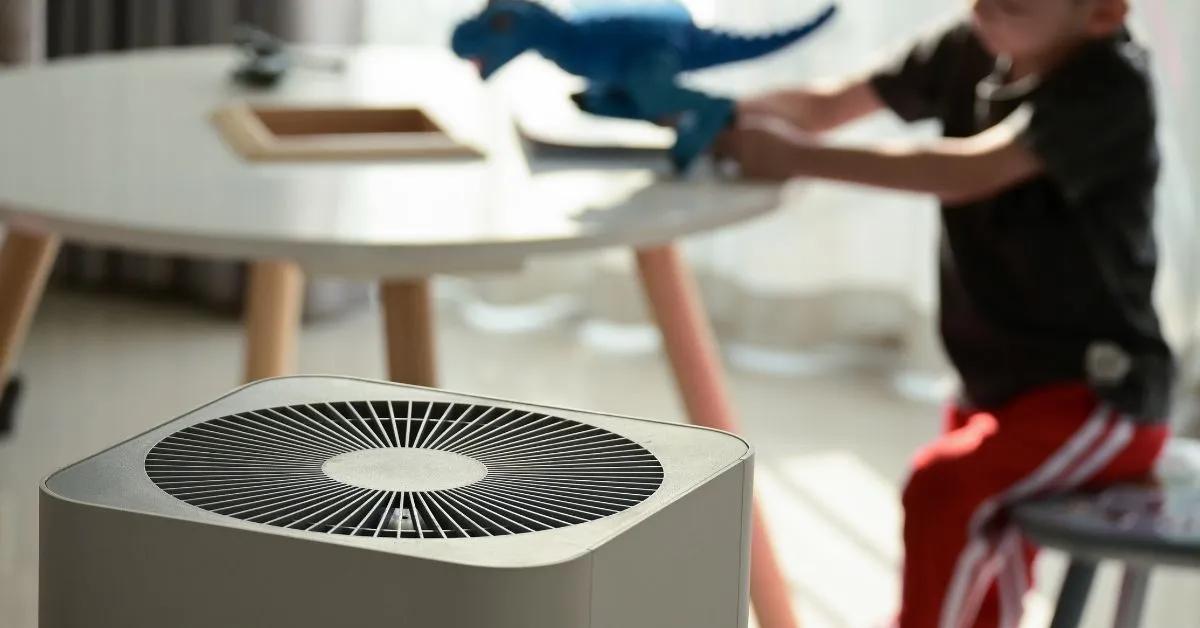
Portable filtration may provide additional particle control in specific spaces. When evaluating equipment, understanding what to look for in an air purifier can help homeowners compare factors such as room coverage, filtration, operating noise, and ongoing maintenance rather than relying solely on marketing claims.
Making Cleaner Air Part of Your Routine
Improving indoor air does not have to become another complicated household project. Many useful changes fit naturally into tasks people already perform: running the exhaust fan while cooking, checking an HVAC filter, wiping down dusty surfaces, drying a damp bathroom, or leaving outdoor shoes near the entrance.
The value of recognizing everyday habits that can affect your home’s air quality is that it shifts attention toward the small actions repeated throughout the week. One isolated habit may seem insignificant, but the combined effects of cleaning, ventilation, moisture control, filtration, and maintenance can shape the indoor environment over time.
Rather than looking for a single solution, consider the home as a connected system. How you cook affects the kitchen air. How you clean influences dust levels. How you manage humidity affects moisture. How you ventilate determines where many airborne contaminants go. Paying attention to those connections can make cleaner indoor air a natural part of maintaining a comfortable home.