

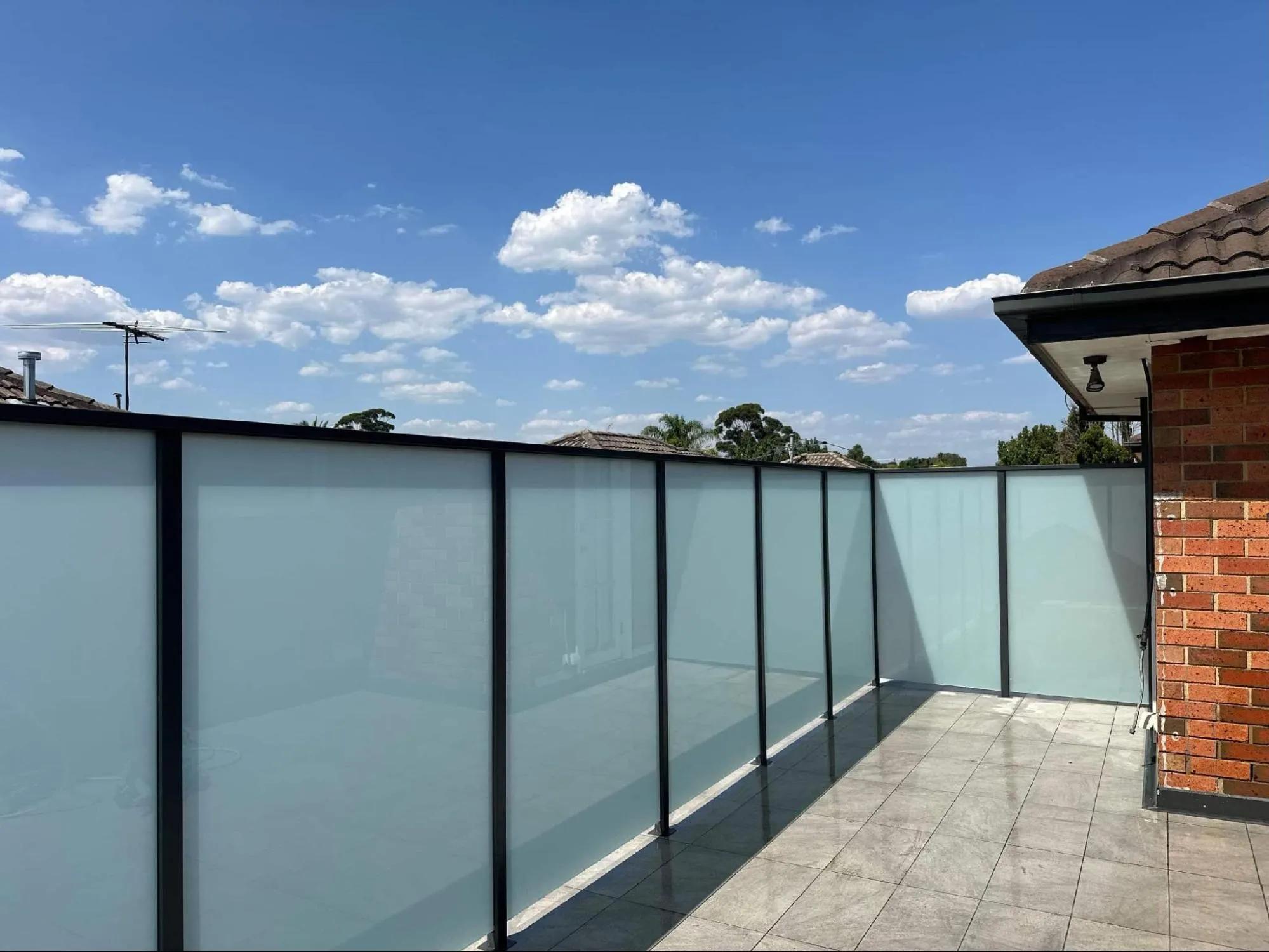
Few features transform a deck, balcony or staircase quite as effectively as glass balustrading. Unlike traditional timber or metal railings, glass preserves sightlines and lets light flow through a space uninterrupted, which makes even a modest area feel noticeably larger and more open. Installing quality balustrades Melbourne homeowners are increasingly choosing combines this aesthetic appeal with genuine, code-compliant safety, but getting the details right matters as much as the visual outcome.
Here's a practical guide to what makes glass balustrading work well, both in terms of style and the safety standards that govern its installation across Victoria.
Framed, Semi-Frameless or Fully Frameless
Glass balustrades generally come in three configurations. Framed systems use a visible top and bottom rail with the glass sitting within the frame, offering strong structural support at a generally lower cost. Semi-frameless designs use a base channel to hold the glass with an open top edge, giving a cleaner look while retaining reasonable cost efficiency. Fully frameless balustrades, held by discreet spigots or a fully recessed channel, deliver the most seamless, high-end appearance but come at a higher price point due to the thicker, more heavily engineered glass required to achieve structural integrity without a supporting frame.
Choosing between these options usually comes down to a balance of budget and the specific look you're after. A frameless system on a prominent street-facing balcony can genuinely lift a property's overall street appeal, while a framed system on a less visible side deck delivers most of the practical benefits of glass balustrading at a more accessible price point.
Australian Standards Aren't Optional
All balustrading in Victoria needs to comply with the Building Code of Australia and relevant Australian Standards covering barrier height, glass thickness and structural loading, particularly for elevated areas like balconies and decks. Reputable installers use toughened or laminated safety glass rated appropriately for the application, and any competent installer will be able to clearly explain how their specific product meets these requirements for your project.
Pool Areas Have Additional Requirements
Glass balustrading around a swimming pool falls under additional pool safety barrier requirements, including specific gap limits and non-climbable zone considerations that don't apply to a standard balcony installation. An installer experienced in pool fencing compliance will build these requirements into the design from the outset, ensuring the finished barrier passes council inspection without costly rework.
Balcony and deck balustrades: need to meet fall-prevention height and loading requirements.
Pool area balustrades: additional compliance for gap limits and climbability under pool safety standards.
Staircase balustrades: specific handrail height and baluster spacing requirements apply.
Coastal or exposed properties: marine-grade fixings recommended to prevent corrosion over time.
Maintenance Is Simpler Than People Expect
One common hesitation around glass balustrading is a concern about ongoing cleaning and maintenance, but in practice, glass is relatively low-maintenance compared to painted timber or powder-coated metal railings that eventually need repainting or recoating. A simple wipe-down with standard glass cleaner keeps the balustrade looking sharp, and quality toughened glass resists scratching and weathering far better than many homeowners initially expect from a material perceived as delicate.
Working With an Experienced Local Installer
Glass balustrading installation is not a straightforward DIY project. Precise measurement, correct glass specification for the application, and compliant fixing methods all require genuine expertise, and getting any of these wrong can mean an expensive rework or, worse, a barrier that fails to meet safety requirements when it matters most. An experienced Melbourne installer will assess your specific site, recommend the right configuration, and handle the compliance paperwork as part of the overall project.
It is also worth asking about warranty coverage on both the glass itself and the installation workmanship, since a reputable installer will stand behind their work for a meaningful period. This gives genuine peace of mind that any issues arising from installation, rather than everyday wear, will be addressed without additional cost to you as the homeowner.
Cost Expectations for Melbourne Homeowners
Glass balustrading costs vary considerably depending on configuration, glass thickness, total linear length and site accessibility. Framed systems generally sit at the more affordable end, semi-frameless in the middle, and fully frameless at the premium end of the range. Getting a detailed, itemised quote from more than one installer is the most reliable way to understand genuine market pricing for your specific project, rather than relying on rough figures quoted online that may not reflect your actual site conditions.
It is worth remembering that the cheapest quote is not always the best value once installation quality, compliance certification and warranty coverage are properly factored in. A slightly higher quote from an experienced, fully licensed installer often represents better long-term value than a lower price from an operator cutting corners on glass specification or fixing methods.
Final Thoughts
Glass balustrading offers a genuinely compelling combination of style and safety when specified and installed correctly. Whether you're leaning toward a fully frameless look or a more budget-conscious framed system, working with an experienced Melbourne installer who understands the relevant Australian Standards ensures the finished result looks as good as it performs.
It's worth requesting to see examples of previous installations, ideally in a setting similar to your own project, since photos alone don't always convey how a particular glass thickness or fixing style will actually look and feel in person on your specific property.