

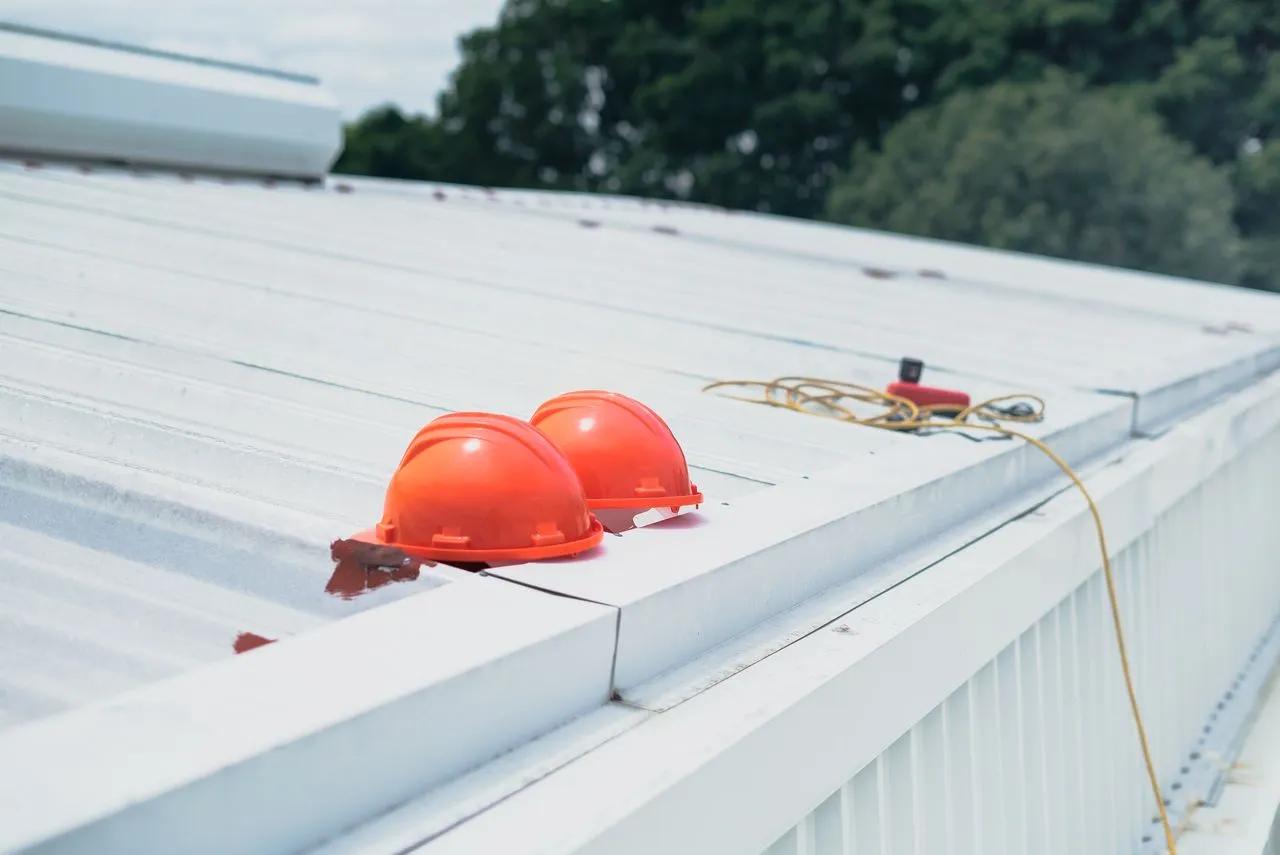
A commercial roof plays a critical role in protecting business operations, employees, equipment, and valuable inventory. When a roofing system begins to deteriorate, even minor problems can lead to water damage, rising maintenance expenses, and unexpected disruptions. For property owners in Hartford, Connecticut, timely roof replacement can help prevent these issues while improving the building's long-term performance.
Planning a Hartford commercial roof replacement requires careful consideration of the existing roof's condition, suitable materials, installation requirements, project costs, and future maintenance. Understanding these factors allows business owners to make informed decisions and select a roofing solution that meets their property's needs.
Why Commercial Roof Replacement Matters
Commercial roofing systems experience constant exposure to changing weather conditions. Hartford's cold winters, snowfall, summer humidity, rainfall, and occasional strong winds can gradually affect roofing materials and their protective components.
Over time, membranes may develop cracks, seams can separate, flashing may deteriorate, and drainage systems can become less effective. If these issues are not addressed, moisture can enter the building and damage insulation, ceilings, electrical systems, and interior finishes.
Although repairs can resolve isolated problems, an aging roof with widespread deterioration may require complete replacement. Investing in commercial roof replacement in Hartford CT can help restore reliable protection, reduce recurring repair needs, and provide an opportunity to improve energy performance.
Signs Your Commercial Roof Needs Replacement
Recognizing early warning signs can help property managers plan roofing projects before significant damage occurs.
One common indicator is recurring leakage. If water continues entering the building despite repeated repairs, the roofing system may have underlying problems that cannot be resolved through localized work alone.
Other warning signs include standing water that remains long after rainfall, visible membrane damage, deteriorating seams, widespread blistering, and damaged flashing around rooftop equipment. Interior stains, persistent moisture, and unusually damp insulation may also suggest that the roofing system is no longer performing effectively.
The roof's age is another important consideration. Different roofing materials have different expected service lives, and environmental exposure, installation quality, and maintenance history can affect their longevity.
A professional inspection can help determine whether continued repairs are reasonable or whether a commercial roof replacement contractor in Hartford should evaluate a complete replacement.
Choosing the Right Commercial Roofing Material
Selecting appropriate roofing materials is essential for long-term performance. The best option depends on the building's design, existing roof structure, drainage requirements, budget, and maintenance expectations.
TPO Roofing
Thermoplastic polyolefin, commonly called TPO, is a single-ply membrane frequently used on commercial buildings with low-slope roofs. Its reflective surface can help reduce solar heat absorption, depending on the product and installation.
TPO roofing is often considered for offices, retail properties, warehouses, and other commercial facilities. Proper seam welding, secure attachment, and careful detailing around penetrations are essential for reliable performance.
Businesses exploring TPO commercial roof replacement in Hartford should compare membrane specifications, installation methods, and warranty requirements before selecting a system.
EPDM Roofing
Ethylene propylene diene monomer, or EPDM, is a synthetic rubber roofing membrane known for its flexibility and weather resistance. It is commonly used on low-slope commercial roofs and is available in different thicknesses and installation configurations.
Its performance depends on correct attachment, seam treatment, flashing details, and regular maintenance. Property owners should discuss how the proposed system will accommodate rooftop equipment, drainage areas, and building movement.
Modified Bitumen Roofing
Modified bitumen is an asphalt-based roofing system designed for low-slope applications. It consists of reinforced sheets that provide a durable roof surface when installed correctly.
This option may suit buildings that require a multi-layer roofing assembly. Installation methods vary, so contractors should explain the proposed system and applicable fire-safety precautions.
Metal Roofing
Metal roofing can be suitable for commercial buildings with compatible roof designs. It offers durability and can provide a long service life when properly installed and maintained.
However, metal roof replacement requires attention to panel connections, fasteners, flashing, expansion, and drainage. The existing building structure and roof slope should be evaluated before choosing this material.
The Commercial Roof Replacement Process
A well-organized replacement project typically follows several important stages.
1. Roof Inspection and Assessment
The contractor examines the existing roofing system, looking for leaks, membrane deterioration, damaged flashing, drainage problems, and signs of trapped moisture. The assessment may include reviewing insulation and roof decking where accessible.
This inspection helps determine the appropriate replacement method and identifies conditions that could affect the project budget.
2. Selecting the Replacement System
After evaluating the building, the contractor recommends suitable materials and installation methods. Factors such as roof slope, expected foot traffic, equipment placement, energy goals, and local building requirements should influence the decision.
A detailed proposal should explain the selected roofing system, material specifications, project schedule, and warranty coverage.
3. Removing the Existing Roof
Depending on the roof's condition and the approved project design, the contractor may remove the existing roofing materials or use another permitted installation approach.
A complete tear-off allows the team to inspect the underlying structure more thoroughly. Damaged decking and wet insulation can then be addressed before the new system is installed.
Whether an overlay is permitted depends on existing conditions, applicable building codes, and the proposed roofing assembly.
4. Installing the New Roofing System
The installation team prepares the roof surface and installs the specified insulation, membrane, panels, flashing, and other components. Seams, penetrations, edges, and drainage points require particular attention because they can become vulnerable areas if installed incorrectly.
Following manufacturer instructions and applicable building requirements helps ensure that the new roof performs as intended.
5. Final Inspection and Cleanup
Once installation is complete, the contractor should inspect the finished roof, verify critical details, and remove construction debris. Property managers should receive relevant warranty documents and information about recommended maintenance.
Understanding Commercial Roof Replacement Costs
The cost of commercial roofing replacement in Hartford varies depending on the building's size, roof accessibility, material selection, and project complexity.
A straightforward roof with accessible surfaces may require less labor than a large building with multiple levels, rooftop units, skylights, or complicated drainage systems. The cost can also increase when contractors discover damaged decking, wet insulation, or structural concerns.
Material prices, disposal requirements, safety equipment, and the need to coordinate work around business operations can also affect the final estimate.
To compare proposals accurately, request a written breakdown of materials, labor, removal, disposal, additional repairs, and warranty coverage. Clarify how unexpected conditions will be handled and whether changes require approval before work proceeds.
Although the initial price matters, evaluating durability, expected maintenance, and the quality of installation can provide a better understanding of long-term value.
Minimizing Business Disruptions During Replacement
Commercial roof replacement can affect daily operations if the project is not properly coordinated. Businesses should discuss scheduling, access restrictions, noise, deliveries, and employee safety with the roofing contractor before work begins.
For operating facilities, phased installation may help maintain access to essential areas. Contractors should also establish procedures for protecting equipment, managing debris, and securing exposed roof sections when work is interrupted.
Weather planning is particularly important in Hartford, where rain, snow, and freezing temperatures can affect installation schedules. A clear communication plan helps property managers understand progress and prepare for temporary disruptions.
Choosing a Reliable Commercial Roofing Contractor
Selecting the right contractor is essential for a successful replacement. Look for a company with relevant commercial roofing experience, appropriate insurance, and familiarity with local permitting and building requirements.
Ask for a detailed written estimate, references from comparable projects, material specifications, and clear information about workmanship and manufacturer warranties.
A qualified contractor should explain the reasons for replacement, discuss available options, and provide a realistic project timeline. Avoid choosing a provider based solely on the lowest quote, particularly when important installation details or materials are unclear.
Working with an experienced Hartford commercial roofing contractor can help ensure that the project meets the building's requirements and provides dependable long-term protection.
Maintaining Your New Commercial Roof
Replacement is an opportunity to establish a preventive maintenance plan. Schedule regular inspections, especially after severe weather, and keep drains and gutters clear of debris. Check rooftop equipment penetrations, flashing, seams, and other vulnerable areas for signs of deterioration.
Promptly addressing minor concerns can reduce the likelihood of leaks and help preserve the roofing system. Keep inspection reports, repair records, and warranty documents organized so future maintenance decisions are based on accurate information.
Conclusion
A well-planned Hartford commercial roof replacement can protect business assets, improve building performance, and reduce the risks associated with an aging roofing system. By recognizing warning signs, comparing suitable materials, understanding project costs, and hiring an experienced contractor, property owners can make confident decisions about their roofing investment.
Whether your building needs a TPO membrane, EPDM system, modified bitumen roof, or metal roofing solution, professional assessment and quality installation are essential. With consistent maintenance and timely inspections, a new commercial roof can provide dependable protection for years to come.