

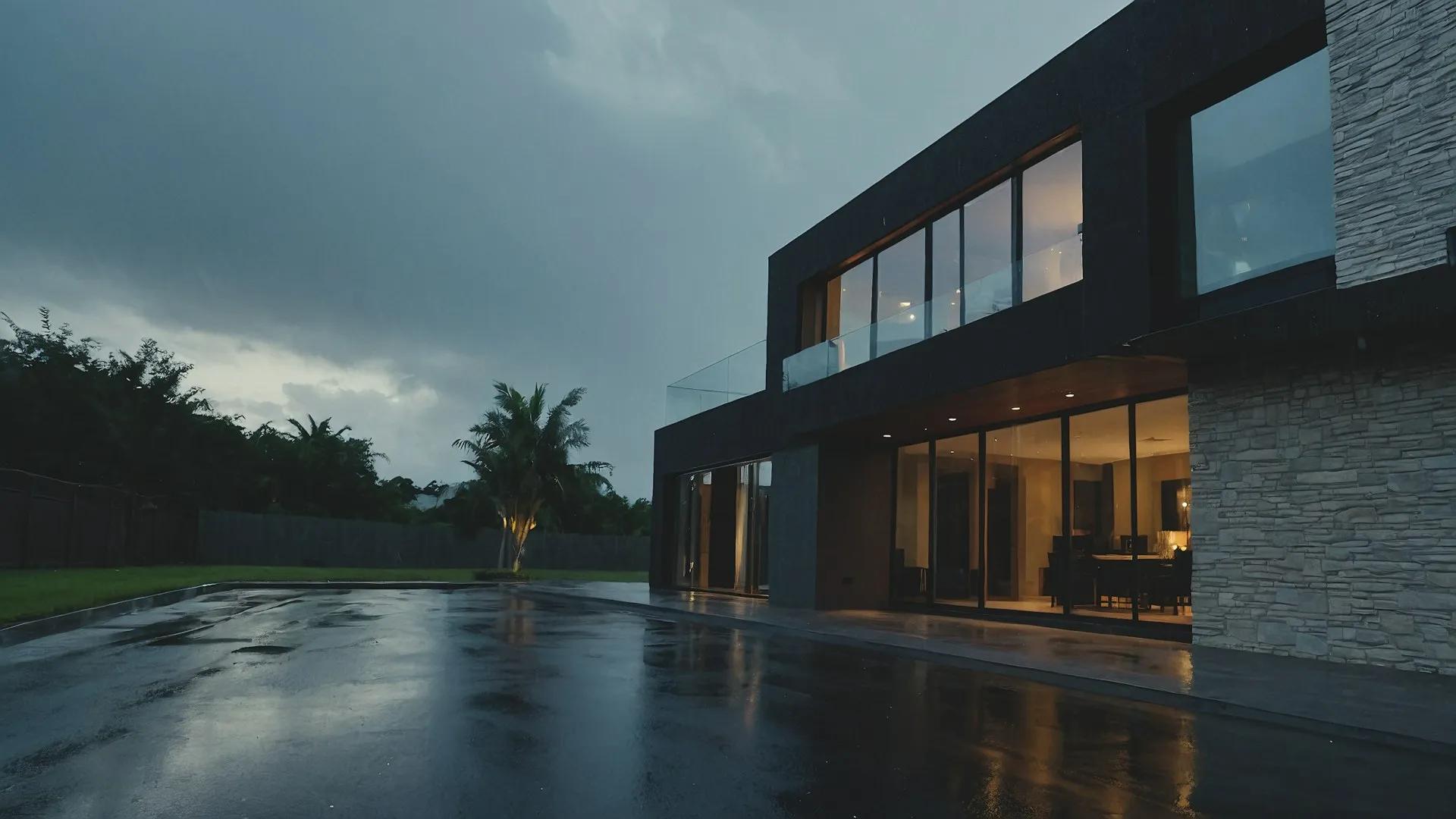
The weather in the US has been unpredictable for the last few years, with climate change driving extreme and intense events. A WTTW article highlights that the National Oceanic and Atmospheric Administration’s climate extreme index’s 10-year summer average is 58% higher than it was in the 1980s. The bigger concern is that Americans are hardly prepared.
After a severe weather event, many homeowners rush to clean up visible damage but overlook hidden weaknesses in the structure and systems of their homes. Storms, floods, heatwaves, or high winds can compromise roofing, foundations, insulation, and electrical networks. The damage often shows up months later as leaks, mold, or unexpected failures.
Instead of simply patching what broke, it is smarter to reinforce your home. Targeted repairs with strategic upgrades can help increase safety, reduce energy bills, and fortify your property against future events. In this article, we will share a few home improvements you must consider.
Consider Roofing Reinforcement
Your roof is the first barrier between your living space and extreme weather, so it deserves priority attention. A CBS News article reported an incident in Garland, Texas, where seven people barely survived a falling roof after heavy rain in early 2026. These people saved themselves by deciding to exit the building when they heard strange noises.
Even if there are no major red flags after a severe storm, you must schedule a professional inspection to check for lifted shingles, damaged flashing, punctures, and hidden moisture in the roof deck. Upgrading to impact‑resistant shingles or metal roofing, adding hurricane straps or clips, and improving underlayment can reduce the risk of structural damage in future storms.
If you live in a hail‑ or wind‑prone area, consider installing stronger gutters and better roof drainage. These measures will prevent water pooling, fascia damage, and overflow near your foundation. The last thing you want is a damaged roof affecting the integrity of your home’s foundation.
Invest in Structural Improvements
According to the UK Met Office, structural damage often happens after extreme events, with the level of impact depending on previous weather conditions. For example, gusts of wind may lead to structural damage where structures are already weakened by an earlier storm. This can happen even when the gust speeds are not particularly strong.
Proactive structural upgrades protect the bones of your home when high winds, flooding, or heavy snow push systems to their limits. Reinforce foundations and load‑bearing walls if you notice cracks, uneven floors, or doors that no longer close properly after the event. Stronger anchoring systems, bracing, and shear walls can help your home resist lateral forces from wind and water.
In flood‑prone areas, consider raising utilities and critical equipment above expected flood levels. You can also add flood vents in crawl spaces and use water‑resistant materials on lower levels. These measures reduce long‑term damage and repair costs.
Maximize Interior Comfort
Once you reinforce your home’s structure, turn to comfort, which often suffers silently after extreme weather. Insulation can be compressed, soaked, or displaced, resulting in drafts, temperature swings, and higher energy bills. Replace any wet or damaged insulation and upgrade to higher‑performance materials where feasible.
Seal gaps around windows, doors, and service penetrations to restore your home’s thermal envelope. Energy‑efficient windows, reflective films, or exterior shading are smart investments that help with heat waves. You can also tune up or replace damaged HVAC equipment.
The January 2026 winter storm, which hit Nashville hard, left residents struggling to stay warm amid power outages and appliance failures. Water heater repair in Nashville homes was probably in high demand after the event. It is hard to imagine life without hot water in your home during a winter storm.
Doctor Drips notes that emergency water heater repair services can save homeowners from trouble. These repairs and improvements improve comfort and keep your home habitable longer during future outages.
Address Leakage and Electrical Issues
Water and electricity are a dangerous combination, so leaks and wiring must be treated as critical repair areas after heavy rain and flooding. Inspect ceilings, walls, and around windows for water stains, peeling paint, or musty smells. These signs may indicate hidden leaks and early mold growth in your home.
Fix roof and wall penetrations, reseal windows and doors, and upgrade caulking and weather‑stripping. You may need to call experts for some concerns, as DIY is not a safe approach when dealing with electrical hazards. The Electrical Safety Foundation International recommends letting experts handle these issues.
Have a licensed electrician evaluate any circuits, outlets, or panels that may have been exposed to water or surges. Take a proactive approach to electrical risks. Upgrades like whole‑house surge protection, outdoor‑rated wiring, elevated outlets in flood‑risk rooms, and ground‑fault protection in damp areas can significantly improve safety.
FAQs
What are the effects of extreme weather events?
Extreme weather can damage roofs, siding, and windows, weaken foundations, and cause flooding that leads to mold, rot, and structural instability. Electrical and HVAC systems can be damaged, creating safety hazards and long‑term comfort issues. Beyond physical damage, these events often increase insurance costs, require expensive repairs, and can temporarily displace families from their homes.
How to safeguard your home against floods?
Start by improving drainage around your home through proper grading, gutters, and downspout extensions. Install sump pumps with battery backup, backflow preventers on plumbing lines, and, where possible, flood vents in crawl spaces to relieve water pressure. Use flood‑resistant materials on lower levels. Elevate critical equipment like electrical panels, HVAC units, and major appliances above expected flood levels.
Why is home insurance important?
Home insurance is essential because even well‑prepared homes can suffer costly damage from extreme weather beyond your control. A robust policy helps cover the expense of repairing or rebuilding structures, replacing belongings, and sometimes paying for temporary accommodation while your home is restored.
Homemakers must treat every extreme weather event as both a warning and an opportunity to build a stronger, safer home. Fortunately, implementing these measures can reduce future damage and disruption. These improvements safeguard your property value and enhance your family’s well‑being and sense of security.
As climate patterns grow more erratic, proactive home upgrades and appropriate insurance coverage are no longer optional extras. They are essential investments in long‑term resilience and peace of mind.