

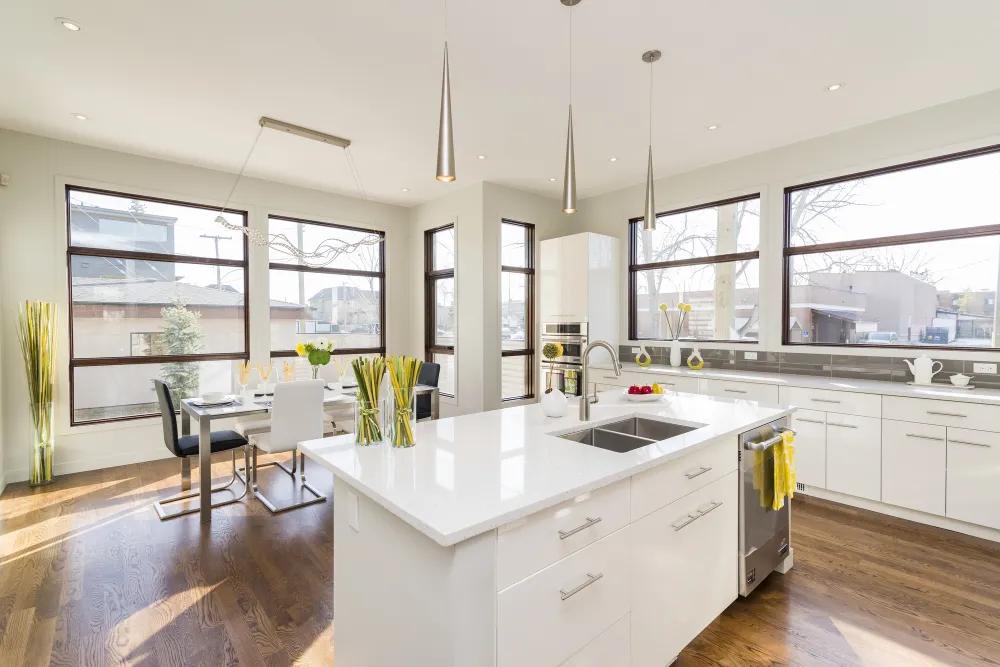
Image source: freepik
Most people don’t wake up and randomly decide to remodel. It usually starts with small daily frustrations that pile up. Home remodeling makes sense when your house still fits your location and your budget, but it no longer fits your life. Maybe the layout feels cramped, the kitchen workflow is awkward, storage is never enough, or the finishes are worn to the point that maintenance feels constant. Remodeling is also a smart choice when you like your neighborhood and don’t want the cost and stress of moving, but you need your space to function better.
Before you plan the “fun” parts like tile and paint colors, plan the basics. What problem are you solving. What rooms actually affect your day the most. And what level of disruption you can tolerate. A remodel can be a simple refresh or a major change, so your first step is defining the scope in plain language. Which areas are included, what stays, and what “done” should look like. That clarity is what keeps budget and timeline realistic.
It also helps to get a contractor involved early, especially if your remodel touches plumbing, electrical, or layout changes. A team like Millennial Contracting Inc can help you spot hidden cost drivers, prioritize the work in the right order, and avoid common mistakes like starting demolition before decisions and materials are locked in.
Common Reasons Homeowners Remodel
One of the most common reasons is function. Homes are often built for a different lifestyle than people have today. Families grow, remote work becomes permanent, and suddenly a dining room you never use would be better as an office or play space. Kitchens are another big trigger. If cooking feels stressful because there’s no counter space, poor lighting, or awkward appliance placement, a remodel can change your daily routine instantly.
Another reason is aging and wear. Old flooring, tired bathrooms, damaged drywall, and outdated fixtures can make a home feel “heavy” even if it’s structurally fine. Some homeowners remodel to reduce maintenance. They choose materials that are easier to clean, more durable, and better for heavy use. Others remodel for comfort and efficiency, improving insulation, ventilation, lighting, and flow to make the home feel warmer in winter and more breathable in summer.
Safety also drives remodel decisions. Stairs that feel steep, railings that don’t feel secure, slippery bathroom floors, poor lighting in hallways, or layouts that create trip hazards. Remodeling can make a home safer for kids, older adults, or anyone with mobility concerns. Finally, resale value is a factor, but the best remodels usually improve your quality of life first, then help resale as a bonus. Buyers tend to value functional layouts, updated kitchens and bathrooms, and a home that feels well cared for.
How to Set Priorities for Budget, Timeline, and Results
Prioritizing a remodel starts with a simple rule: fix what affects daily life and long-term durability first, then layer in style. Make a short list of problems that actually impact your routine. Not enough storage, poor lighting, cramped layout, worn surfaces, ventilation issues, or water damage concerns. Then rank them by impact. What would make your day easier immediately. What would prevent future repairs. What would add the most comfort.
For budget, separate needs from wants. Needs are things like fixing moisture issues, leveling floors, updating unsafe wiring, or improving ventilation. Wants are upgrades that are mostly aesthetic. You don’t have to eliminate wants, but you should decide where to spend intentionally. A common strategy is to invest in the parts you touch every day, like flooring durability, solid fixtures, and functional storage, while keeping other choices simpler.
Timeline planning works best when you understand sequencing. Demolition and rough work come early. Drywall and surface repairs come next. Finishes come last. Delays often happen because materials weren’t selected in time, so finalize major items early. Cabinets, flooring, tile, and fixtures should be chosen before work begins whenever possible. Also plan for disruption. If a kitchen remodel is involved, set up a temporary cooking area. If a bathroom is out of service, plan around it.
Finally, define “success” before you start. Is it more space, better flow, easier cleaning, or a more modern look. When your goal is clear, every decision becomes easier, and the remodel stays focused instead of turning into an expensive collection of random upgrades.