

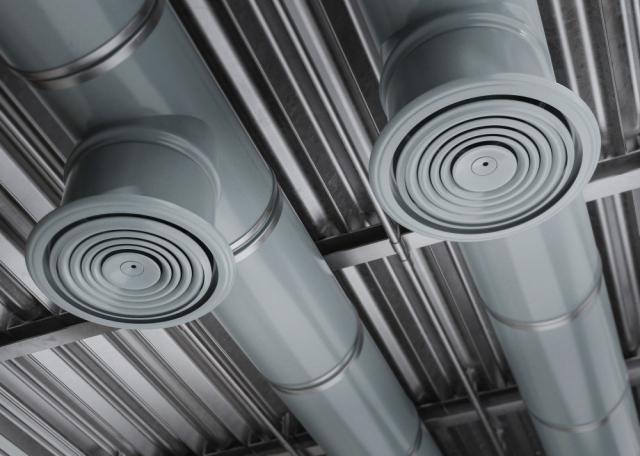
Condensation has been an obvious challenge for a comfortable and healthy indoor climate. Too much moisture often results in dampness, mould, and other moisture-related damages. A balanced ventilation system can reduce condensation and make the air in the home healthier. In this article, we will discuss how these systems work and what benefits they offer.
Understanding Condensation
A balanced ventilation system in NZ can improve indoor air quality and comfort. When humid air meets cold surfaces, condensation happens: water droplets form. It is often found on windows, walls, ceilings, etc., leading to many problems. Mould growth due to dampness affects health and air quality. There is also erosion of structural materials on a timescale.
The Role of Ventilation
Ventilation conditions are essential for indoor air quality and humidity balance because they help alleviate humidity by creating a dry surface, which prevents condensation. Opening windows for fresh air may not be enough anymore, particularly when it becomes cold. This particular area is where the benefits of balanced ventilation arise.
What is a Balanced Ventilation System?
This ventilation system maintains balance by continuously introducing fresh air into the building and eliminating stale air. Unlike basic exhaust fans, this approach guarantees consistent air circulation throughout the space. It also manipulates airflow to manage humidity and avoid condensation.
Balanced Ventilation System: What It Should Contain
You have supply and exhaust fans that help balance the air here. Exhaust fans pull stale air out of the space, while supply fans pull fresh air in. This process helps maintain the correct humidity level.
Heat Recovery Ventilator (HRV): An HRV captures heat from stale air leaving the house and uses it to warm fresh air coming into the house. It's beneficial in places where the air is much colder, as it saves energy and enhances air quality.
Filter Systems: Premium-grade filters scrub contaminants like dust, pollen, and other impurities from the air as it enters. They help keep the air purified and free of harmful substances.
Benefits of Balanced Ventilation
Improved Air Quality
Balanced systems regularly exchange indoor air to dilute pollutants. They reduce the accumulation of allergens and irritants while keeping air flowing, freshening the air, and ensuring a healthier habitat for the occupants.
Energy Efficiency
Such systems use recovered heat from expelled air, thereby saving energy. This method prevents heat loss from homes and buildings, so they require less heat. In the long run, these improvements can save a lot of money.
Enhanced Comfort
And keeping humidity consistent is a big part of comfort. Balanced ventilation avoids excess moisture, making interior spaces comfortable and welcoming. Such practices can be helpful in hot, humid areas.
Reduced Mould and Mildew
Damp usually means condensation, and the risk of mould comes with high humidity. Balanced ventilation systems promote airflow in and out of the house, which helps control moisture and reduces the likelihood of mould developing. They also help to protect health and keep buildings intact.
Installation and Maintenance
Professional Installation
Installing a balanced ventilation system requires expertise. Experts evaluate the building's requirements and create a custom system. Many of us who have installed AV systems understand that proper setup should ensure seamless operation.
Regular Maintenance
However, for it to operate well, you should maintain it regularly. This process includes cleaning filters, checking fans, and ensuring the HRV runs correctly. Regular maintenance helps extend the system's life and keeps it running smoothly.
Choosing the Right System
The appropriate ventilation system is chosen depending on the size of the building, the climate, and the specific needs. Talking with experts can help determine a better solution. They consider all necessary factors to recommend the best system for each space's unique needs.
Conclusion
A balanced ventilation system provides a simple yet effective method of condensation management. It creates a healthier, more pleasant indoor climate, controlling humidity and improving air quality. It can save money now and in the future, whether in energy, health, or comfort. Good ventilation for solving condensation problems is an excellent choice for living in a comfortable and healthy environment.