

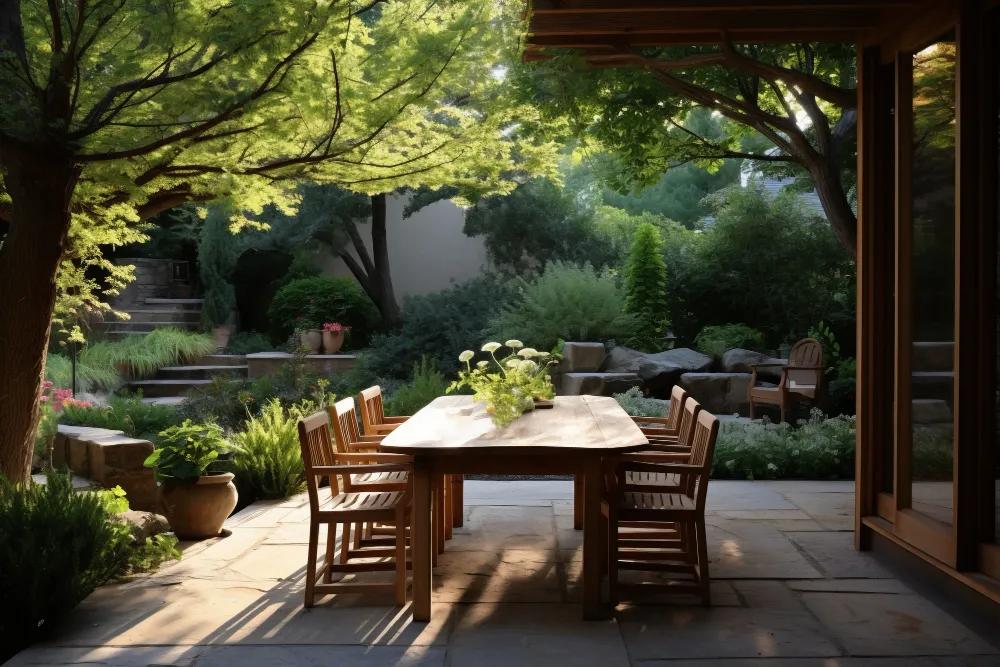
Image source: freepik
Out here, plenty of people keep a backyard, never really step foot in it.
They aren’t choosing silence; the room just can’t hold what happens every day.
A strip of concrete, or grass with odd chairs scattered about, does little to draw you out. It sits unpolished, awkward, perhaps even off-putting. Because of this, the area behind your house becomes a view rather than a space, so you pass by without stepping into it.
A patio shaped with care shifts how we see it. Outdoor areas then become parts of daily life - woven into regular habits, rather than saved for rare moments.
From Backyard to Living Space: The Shift in Outdoor Living
Nowadays, spaces outside homes do more than host cookouts or casual meetups.
Right now, patios actually expand what you can do inside. Mornings happen there, low-key. Meals show up, too, simple ones. Breaks between tasks find space here. Evenings unfold slowly, without noise. Function matters more than looking different.
Now think differently when building things. Not by wondering what it should appear like. But rather, how might people actually pick it up, hold it, and move with it?
The truth is, how people act shapes what works when planning a yard. Once you see that, the space becomes vital instead of just nice.
The Role of Layout and Zoning in Patio Design
What makes or breaks a patio comes down to how it's laid out.
A patio works when divided into simple zones, each good for something different. Room to shift a chair matters most in eating spots. For sitting back, a loose setup helps, a bit apart, yet still part of the flow. When it comes to cooking spots, they need to withstand wear and sit close to where meals happen most.
With zoning, movement feels more natural. Folks tend to pick spots without thinking twice. Traffic flows more easily when paths make sense. Clutter fades where rules shape space.
Above all, a clear layout fits how people actually live. Coffee in the morning finds its spot. Talks at night flow without effort. Now the patio moves with the house's pulse, no longer just tacked on.
Hardscaping: The Foundation of a Functional Patio
A patio gains shape through hardscaping, but it’s quiet strength. Patio hardscaping gives structure where beauty alone falls short. Pretty views alone won’t hold up when the weather hits or time passes.
Pavers, stone, or concrete make up hardscaping, stuff that stays put. Things like steps or retaining walls come built right into the ground. They shape how you move through a place. Stability shows up in what won’t shift with weather or time.
Good hardscapes handle water better, stopping mud from piling up. Evenly shaped zones make areas easier to walk on, cutting tripping risks. Built-in seats appear naturally within landscaping, replacing loose outdoor chairs. Raised beds for plants fit neatly beside walkways, are steady, and are part of the layout.
Furniture lines also keep things steady. Hardscape finds its place beside greenery, never shouting over it. Done with care, the outdoor space settles, built to last, clear in its look.
Comfort Features That Encourage Everyday Use
It's the comfort that makes doing something stick, over time.
Outside areas become livable even when the sun is low, thanks to fixed shades such as pergolas, canopies, or fenced alfresco areas. Once daylight fades, the added glow transforms the atmosphere, casting soft shadows, creating comfort, and quietly boosting footing after dark.
Furniture plays a role here. Items made for lasting stays not only look, but also draw guests deeper into moments. If seating feels right, the outdoor space shifts from a quick visit to one where minutes slip away without notice.
These touches require little fuss. What matters is they show intent.
Materials That Elevate Both Style and Longevity
What a patio is made of will shape its future. How it holds up comes down to those first materials.
What lasts is often built to withstand wear. Stone, solid pavers, strong coatings - these endure because they resist decay. Even after years, their character deepens.
Just as key, matching the home's style. What you choose must look like it’s always been there, part of the place itself, never an afterthought.
Pick stuff meant to last. A stone outdoor space keeps working and looking good through seasons, no frequent fixes or swaps needed.
How a Well-Designed Patio Improves Lifestyle and Well-Being
Out here, doing something useful with the yard shifts how moments unfold.
Out here, staying active outdoors gets easier, no extra work needed, just go. With nature close by, breathing fresh air becomes a routine. Pauses, even brief ones, carry a quiet calm. Talking with people suddenly seems less tricky, almost like second nature.
A different kind of change happens inside the mind, too. When a backyard or balcony feels right, it pulls people away from house pressures yet keeps them close to ease. Calm finds its way in, not pushing anyone out.
Little things pile on, quietly building something real. Out back, order settles, soft, steady.
Long-Term Value: A Smart Investment in Your Home
A small change in the patio’s layout can make a clear difference in how much it’s worth.
Money talks when buyers see extra features. A well-done version also makes returns easier later. Built right at first, troubles down the road shrink without effort.
Starting strong with a pro setup might raise costs at first, yet it blocks bigger fixes down the road. A well-done slope, tough choices in the buildup parts, and built-in landscape features bring rewards years later.
A room like this keeps its worth, not just in dollars but in how it works.
Conclusion: Designing a Patio for Real Life
What matters most on a patio isn’t following styles or chasing flawlessness. It fits with how people actually live.
A yard turns useful when layout, stone, seating, and sun come into balance, without waiting for special visits or blue skies.
Good patios aren’t just built, they get lived in. Built to live in, never meant to sit and stare.