

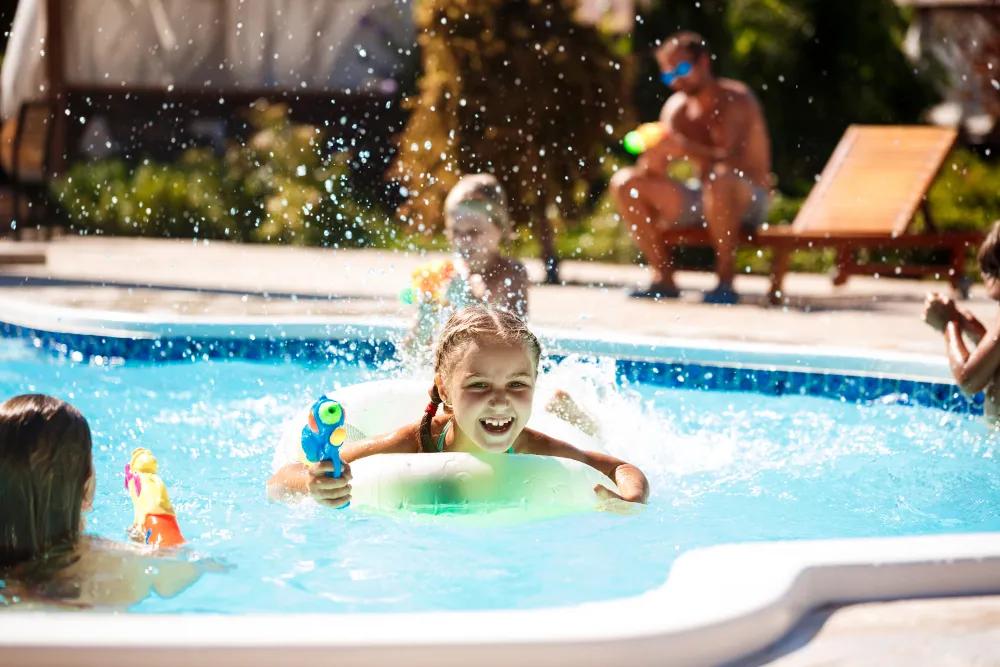
An above-ground pool can turn a modest garden into a practical summer retreat without the expense or disruption of permanent construction. Families gain a place to swim, move, cool off, and recreate together close to home. With sensible planning, the installation can support physical activity, relaxation, and family connection. The right model also offers flexibility, allowing households to balance available space, maintenance demands, safety needs, and total spending.
A Practical Starting Point
Families comparing pool options can check these out before selecting a suitable model. A careful review should cover pool diameter, wall material, water depth, filtration equipment, ladder access, cover options, and surface requirements. These details influence installation time, cleaning demands, household safety, and seasonal storage. Matching construction features with expected use helps buyers avoid unnecessary costs and choose equipment that supports reliable family recreation.
Lower Initial Costs
Above-ground pools generally require less groundwork than in-ground systems. Installation may avoid excavation, reinforced concrete, extensive plumbing, and permanent landscaping changes. That difference can reduce the initial financial burden for households with limited improvement budgets. Remaining funds may cover water treatment supplies, protective covers, non-slip flooring, shade, or secure storage. A complete budget should include these practical items, not just the pool itself.
Faster Installation
A properly prepared site can help many above-ground models become operational in a relatively short time. The process usually involves clearing vegetation, creating a stable base, assembling the frame or walls, and connecting circulation equipment. Families face less disruption than they might experience during major excavation. Earlier access also gives children and adults more opportunities for supervised activity during the warm-weather season.
Flexible Placement
An above-ground pool gives households greater control over garden layout. A level location with adequate sunlight, drainage, and access to electrical connections often provides the best starting point. Smaller yards may accommodate a compact circular or oval structure without removing large sections of planting. Some models can also be dismantled after the season, helping residents reconsider the arrangement as household routines or property needs change.
Recreation Close To Home
A private swimming area reduces the need for repeated journeys to public facilities. Families can schedule short sessions before school, after work, or during quieter weekend hours. This convenience removes travel time, admission fees, and crowded changing areas from the routine. Children receive a familiar setting for supervised water play, while adults can use the pool for gentle exercise, cooling relief, or calm recovery after physical work.
Support For Active Habits
Water-based movement can provide cardiovascular activity with less impact on joints than running on a hard surface. Swimming uses the shoulders, back, abdomen, hips, and legs, while walking through shallow water challenges balance and muscle control. Children may remain active longer because games feel enjoyable rather than structured. Adults can adapt sessions to fitness level, as long as they respect medical restrictions and supervision needs.
Shared Family Time
A pool creates opportunities for households to spend time together without complicated planning. Regular activities might include supervised lessons, relay games, floating sessions, or quiet conversations beside the water. These moments encourage communication and give children positive alternatives to screen-based entertainment. Consistent family routines can also help younger swimmers build confidence, coordination, and respect for clear water-safety rules.
Smart Maintenance Planning
Clean water depends on regular testing, filtration, circulation, and debris removal. Families should monitor sanitizer levels, pH balance, water clarity, and filter performance according to equipment guidance. A cover can limit leaves, insects, and evaporation between uses. Dividing tasks across household members may make upkeep easier. Consistent maintenance protects swimmers from irritating water conditions and helps circulation components operate efficiently.
Useful Safety Measures
Start safety planning before the first fill. Secure ladders, compliant barriers, protective covers, clear lighting, and rescue equipment can reduce preventable hazards. Children need constant adult supervision near open water, even if they can swim. Households should establish rules about running, rough play, diving, and entering without permission. Every adult should know basic emergency procedures and where communication devices are located.
Added Outdoor Appeal
The surrounding area affects comfort, cleanliness, and use frequency. Non-slip flooring can reduce falls, while shade helps limit overheating during prolonged outdoor activity. Seating gives adults a clear observation point, and storage keeps chemicals, toys, and maintenance tools organized. Screening or carefully positioned planting may improve privacy. These additions can make the pool easier to supervise and more pleasant for everyday use.
Conclusion
An above-ground pool offers families a realistic route to regular outdoor recreation without the cost and disruption of permanent construction. Lower groundwork demands, flexible placement, quicker preparation, and manageable upkeep make it suitable for many households. Safe supervision, balanced water chemistry, stable flooring, and thoughtful accessories remain essential. With those factors in place, a pool can become a private space for movement, recovery, social connection, and memorable summer routines.