

A bedroom should be more than a place to sleep. It is one of the few spaces in a home designed for rest, recovery, and personal comfort. Yet many people underestimate how strongly their bedroom environment can influence overall well-being. While wellness conversations often focus on exercise routines, healthy eating, or mindfulness practices, the condition of a bedroom plays an equally meaningful role in supporting daily balance.
An organized bedroom can influence sleep quality, stress levels, productivity, and even emotional health. A tidy and thoughtfully arranged room creates an atmosphere that supports calmness, while clutter and disorganization can contribute to mental fatigue and distraction. By paying attention to layout, storage, and comfort, homeowners can create a healthier environment that positively impacts everyday life.
Why Bedroom Organization Matters for Wellness
People spend a significant portion of their lives in their bedrooms, making it one of the most influential spaces in the home. Beyond sleeping, bedrooms often serve as places to relax, read, prepare for the day, or decompress after work. When the space feels chaotic, it can subtly affect mood and energy.
Research in environmental psychology suggests that cluttered surroundings may contribute to increased stress and reduced focus. When items are scattered or difficult to manage, the brain continues processing visual distractions, making it harder to fully relax. This is one reason many people find that a clutter-free bedroom feels noticeably calmer and easier to enjoy.
A clean, organized room creates a sense of control and order. Instead of feeling overwhelmed by piles of laundry, crowded surfaces, or misplaced belongings, people are better able to relax and recharge. Over time, these small environmental improvements can contribute to healthier habits and better emotional balance.
The Link Between Sleep Quality and Bedroom Design
Good sleep is one of the foundations of wellness, yet the bedroom environment often receives less attention than sleep schedules or bedtime habits. Factors such as clutter, poor furniture arrangement, or lack of organization can interfere with relaxation without people realizing it.
Creating a restful environment starts with thoughtful organization. When a bedroom feels functional and peaceful, it naturally encourages healthier nighttime routines. Clear pathways, organized surfaces, and comfortable furniture all contribute to an atmosphere that supports rest.
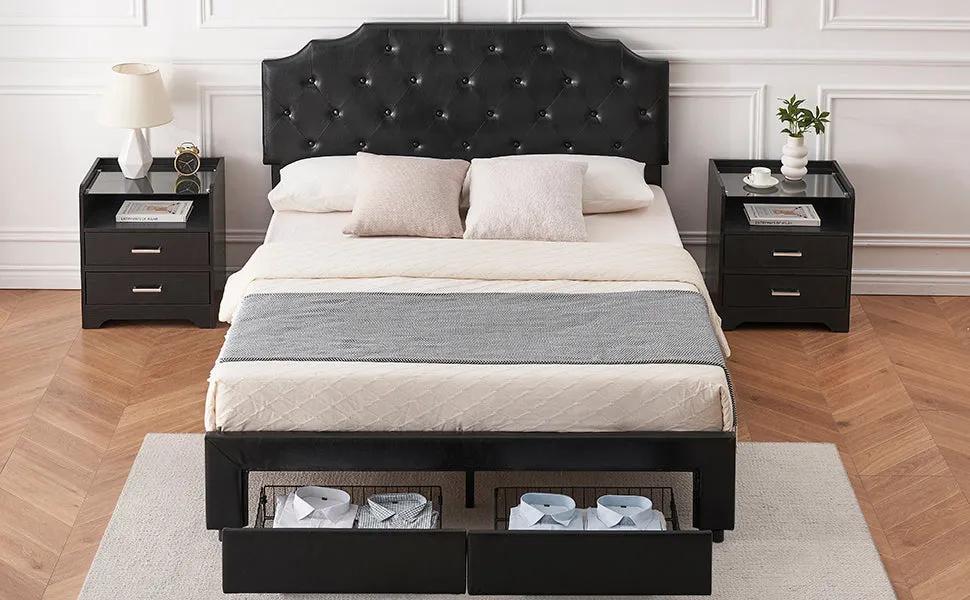
The bed itself plays a central role in overall comfort. Choosing furniture that fits the room properly helps create a balanced environment without making the space feel overcrowded. For many households, a well-sized queen bed frame offers enough sleeping space while still allowing room for movement and storage, helping maintain an uncluttered setup.
When people enter a room designed for comfort and simplicity, it often becomes easier to disconnect from distractions and settle into a more consistent sleep routine.
How Organization Helps Reduce Stress
Modern life often feels fast-paced and demanding. Work responsibilities, digital notifications, family commitments, and busy schedules can quickly become overwhelming. This makes the home environment increasingly important as a place for recovery.
Visual clutter may contribute to mental stress more than many people realize. A crowded room filled with misplaced belongings can create a lingering sense of unfinished tasks. Even when people are trying to rest, disorganization may quietly signal that something still needs attention.
Simple home organization habits can make a meaningful difference. Creating designated places for everyday items, clearing bedside surfaces, and maintaining tidy floors often improves how relaxing a room feels.
Storage furniture can also support a more manageable routine. A practical drawer dresser helps keep clothing and essentials neatly stored, reducing visual distractions and making it easier to maintain order over time. When belongings have a proper place, daily routines often become smoother and less stressful.
These seemingly small changes can contribute to stress-free living, especially when maintained consistently.
Creating a Comfortable Living Space That Supports Daily Routines
Comfort at home is about more than décor. While appearance matters, true comfort comes from functionality, convenience, and emotional ease. A bedroom that feels welcoming can support better routines and healthier habits.
A comfortable living space often includes thoughtful details such as proper lighting, breathable fabrics, organized storage, and a balanced room layout. When furniture placement feels intentional and belongings remain accessible, everyday activities become easier and more enjoyable.
For example, getting dressed in the morning feels less rushed when clothes are neatly organized. Evening routines become calmer when surfaces are clear, and essentials are easy to find. These improvements may seem minor, but they can positively shape the rhythm of an entire day.
Many people also underestimate the emotional value of returning to a peaceful bedroom after stressful moments. Whether someone spends a few minutes reading, stretching, or simply relaxing, the atmosphere of the room can influence how quickly the body and mind recover.
This is where daily comfort at home becomes especially important. Consistent exposure to a calm environment can gradually support better focus, patience, and emotional well-being.
Bedroom Wellness Goes Beyond Cleanliness
The concept of bedroom wellness extends beyond keeping a room neat. It involves creating an environment that supports both physical rest and emotional recovery.
Wellness-focused bedrooms often prioritize calm, simplicity, and functionality. This does not mean a room must look minimalist or expensive. Instead, it means designing the space intentionally to reduce distractions and encourage comfort.
Several small adjustments can support wellness, including:
Prioritizing Clean Surfaces
Keeping bedside tables, desks, and visible spaces clear can reduce visual overload. Fewer distractions often create a calmer atmosphere.
Using Smart Storage Solutions
Functional furniture makes organization easier. Storage options that help reduce visible clutter can contribute to a more relaxing space.
Limiting Excess Items
Overcrowding a bedroom with unnecessary décor or unused belongings may make the room feel smaller and less restful. Keeping only meaningful or functional pieces often improves comfort.
Supporting Healthy Sleep Habits
Bedrooms work best when designed for rest. Reducing distractions and maintaining organization can encourage more consistent sleep patterns.
Together, these habits create an environment that feels restorative rather than overwhelming.
Practical Tips for Maintaining an Organized Bedroom
Creating an organized environment does not require major renovations or expensive upgrades. In many cases, small habits create the biggest improvements.
1. Declutter Regularly
Set aside time every few weeks to remove unused or unnecessary items. This prevents clutter from gradually taking over the space.
2. Assign a Place for Everything
Creating designated storage areas helps prevent belongings from piling up. Clothes, books, accessories, and electronics should each have a consistent home.
3. Make the Bed Daily
A simple habit like making the bed can instantly improve the appearance of a room and encourage tidier behavior throughout the day.
4. Keep Essentials Accessible
Store frequently used items in convenient places to reduce frustration and save time.
5. Focus on Function Over Perfection
An organized room does not need to look flawless. The goal is to create a practical environment that supports relaxation and ease.
Long-Term Benefits of an Organized Bedroom
The benefits of maintaining an organized bedroom often extend far beyond appearance. Over time, a peaceful room can positively influence emotional wellness, daily productivity, and even physical health.
Better organization may support improved sleep, fewer distractions, and reduced feelings of stress. People often feel more prepared for the day when mornings begin in a calm environment rather than a chaotic one.
A clutter-free bedroom may also encourage better habits overall. When spaces feel easier to maintain, routines often become more consistent and manageable.
Most importantly, wellness is rarely built through dramatic lifestyle changes alone. Small, repeatable improvements in the home environment can have a meaningful impact on quality of life.
Final Thoughts
A healthier lifestyle often begins with the spaces people interact with every day. Since bedrooms serve as places for rest and recovery, maintaining an organized and calming environment can support better physical and emotional well-being.
An organized bedroom encourages relaxation, improves focus, and contributes to healthier routines. Through intentional home organization, thoughtful furniture choices, and consistent habits, it becomes easier to create a room that feels peaceful and functional.
Whether the goal is improving sleep, reducing stress, or simply creating more daily comfort at home, even small changes can make a noticeable difference. Over time, these efforts help transform an ordinary bedroom into a space that truly supports bedroom wellness, encourages stress-free living, and creates a genuinely comfortable living space.