

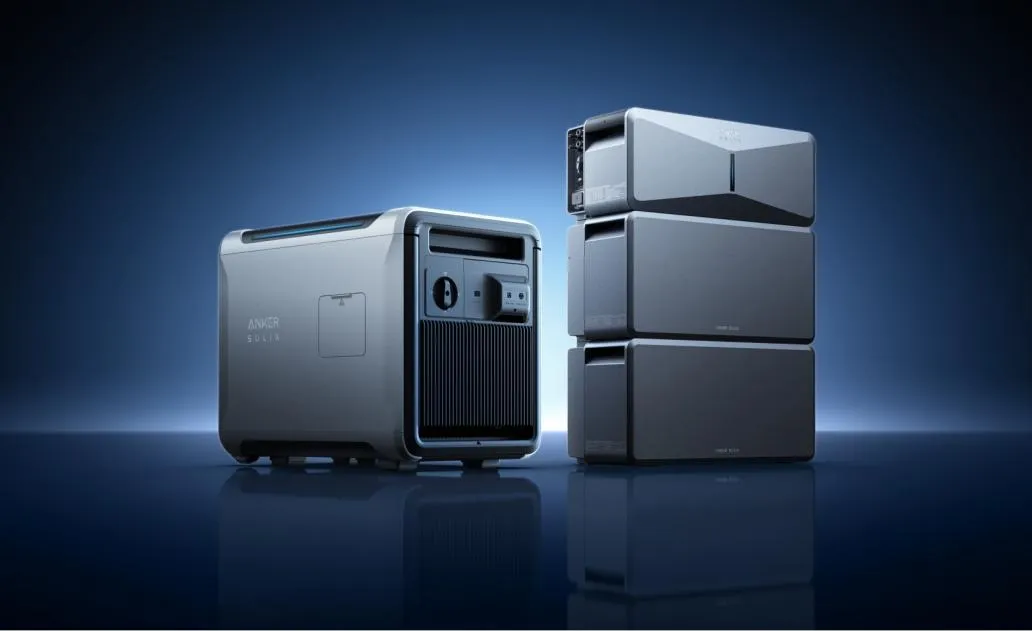
Homeowners rely on backup power more than ever, so a slow or wasteful charging system causes real frustration. Efficient charging keeps lights, appliances, and essential devices running without burning extra fuel or stressing equipment. You can control many factors, from solar panel placement to battery care and hybrid charging methods. Modern systems like Anker SOLIX E10 show how powerful a well-designed setup can be. It acts as a whole-home backup system, uniting battery, solar, and a smart generator to keep your home always powered with ease, while minimizing charging losses and improving overall energy use.
Key Factors That Affect Home Generator Charging Efficiency
Charging efficiency depends on the quality of your solar input, the health and size of your batteries, and environmental conditions. Small improvements in each area can deliver big performance gains.
Solar Panel Placement and Sunlight Exposure
Solar panels only deliver full power when they capture strong, direct sunlight. Poor placement forces your generator or grid to work harder and longer to recharge batteries. Install panels on a roof or ground mount with clear southern exposure, or the optimal direction in your region. Avoid chimneys, trees, or nearby buildings that cast shadows during peak hours. Tilt panels according to your latitude and season to maximize output. Systems like Anker SOLIX E10 perform best when solar arrays feed them steady, high-quality power during the brightest parts of the day.
Battery Health, Capacity, and Charging Cycles
Batteries sit at the core of any home backup system, so their condition directly affects charging efficiency. A worn or undersized battery bank charges slowly and wastes generator runtime. Choose high-quality batteries with enough capacity for your typical needs. Follow recommended depth-of-discharge limits to reduce stress and extend lifespan. Avoid leaving batteries fully drained for long periods. Smart systems like Anker SOLIX E10 monitor battery status, control charge rates, and balance cells. This smart management helps each charging cycle use energy efficiently, reduces overheating, and improves the long-term performance of your backup power.
Environmental Factors Like Temperature and Shading
Temperature swings and shading can quietly drain efficiency from your charging setup. Batteries dislike extreme heat or cold, which can slow chemical reactions and cut usable capacity. Place batteries in a well-ventilated, temperature-moderated space when possible. Solar panels lose output when partial shade falls on even a small section of a string, so trim trees regularly and review shading patterns through the seasons. Snow, dust, or leaves also reduce light. Whole-home systems benefit greatly when you control these environmental factors, because their batteries and solar modules then operate in a stable, efficient range.
Practical Tips to Improve Charging Efficiency at Home
You can boost charging efficiency with simple steps: improve solar placement, keep panels clean, and upgrade components. These actions reduce wasted energy and lighten the workload on your generator.
Position Solar Panels for Maximum Output
Start by checking how the sun moves over your roof or yard during a clear day. Note where shadows fall at morning, midday, and late afternoon. Place panels where they get the longest, strongest sun window. In many locations, a south-facing roof with a tilt close to your latitude angle works best. Use sturdy mounting hardware and avoid obstructions like vent pipes or antennas. If you install a system like Anker SOLIX E10, ask the installer to design the solar layout specifically for your climate and roof style to maximize usable solar charging hours.
Keep Panels Clean and Well-Maintained
Dust, bird droppings, pollen, and leaves can block light and quickly steal several percent of your solar output. Set a regular schedule to inspect and clean panels with soft brushes and water. Avoid harsh chemicals or abrasive tools that could damage the glass. After storms or high winds, check for debris buildup or loosened mounts. Monitor your solar production; a sudden drop often points to dirt, shade, or damage. When a clean array feeds your backup system, batteries recharge faster, and your generator runs less. Anker SOLIX E10 can then store more solar energy on every clear day.
Use High-Quality Cables and Charge Controllers
Thin, cheap cables create resistance and waste energy as heat, especially at higher currents. Use properly sized, high-quality copper cables with secure, corrosion-free connections between panels, batteries, and inverters. A modern MPPT charge controller increases the solar harvest by matching panel output to battery needs more precisely than older PWM units. For whole-home backup systems like Anker SOLIX E10, manufacturers already optimize internal wiring and power electronics. Still, you should ensure that all external wiring, breakers, and connectors meet recommended standards for maximum efficiency and safety, similar to best practices used in advanced home generators systems.
Smart Charging Strategies for Faster and Better Performance
Smarter charging uses timing, multiple power sources, and monitoring tools. These strategies cut fuel use, shorten charging sessions, and keep batteries in a healthy, efficient operating range over time.
Use Hybrid Charging: Solar, Grid, and Generator
Hybrid charging combines solar, grid power, and a generator, so each source works when it delivers the best value. Use solar as your primary charging method during sunny hours. When clouds reduce solar output or demand spikes, let the grid or generator top up batteries efficiently. Systems such as Anker SOLIX E10 coordinate these sources automatically. The smart generator starts only when needed, runs at efficient loads, and shuts down once batteries reach target levels. This intelligent control reduces fuel waste, noise, and wear while keeping your backup power system ready for outages.
Avoid Overcharging and Monitor Power Usage
Overcharging stresses batteries, wastes energy, and can shorten lifespan. Use built-in battery management systems and high-quality charge controllers to stop charging at safe voltage levels. Many modern systems include apps or dashboards that show real-time input, output, and state of charge. Review this data regularly to spot unusual patterns, such as constant near-empty levels or long periods at 100%. Adjust appliance usage during outages to match available capacity. When you monitor usage with tools provided by solutions like Anker SOLIX E10, you maintain a healthier battery bank and achieve more efficient generator charging cycles.
Conclusion
Improving home generator charging efficiency starts with better solar exposure, clean panels, healthy batteries, and strong basic hardware. These steps alone can cut wasted energy and reduce generator runtime. Next, smart strategies make an even bigger difference. Hybrid charging, active monitoring, and careful battery management combine to deliver steady, reliable backup power. Whole-home systems such as Anker SOLIX E10 show what this looks like when done well, uniting battery, solar, and a smart generator in one solution. By applying these ideas, you protect your investment and ensure power stays available when your household needs it most.