

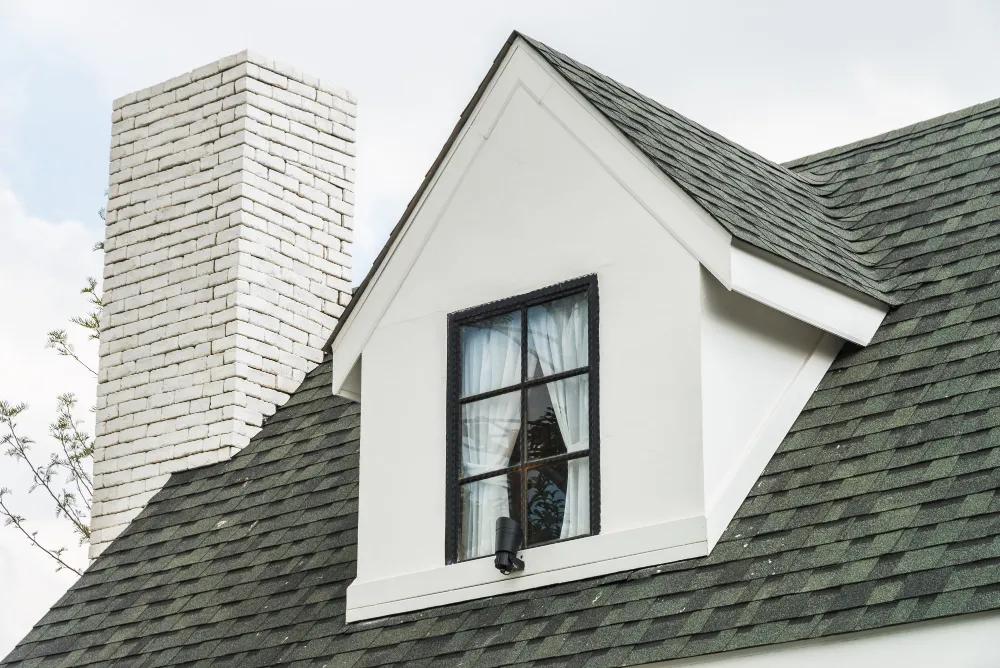
A roof does more than cover a residence. It limits water entry, supports indoor comfort, shields framing, and helps preserve personal belongings. Over time, sunlight, humidity, wind, and repeated rainfall weaken shingles, flashing, sealants, and underlayment. Waiting for visible leaks can allow concealed deterioration to spread. Replacing an aging system at the right time provides a household with stronger weather protection, improved energy performance, and fewer repair concerns.
A Stronger First Defense
Professional Tequesta roof replacement services can help property owners address worn materials before isolated defects become structural problems. A qualified inspection includes an examination of shingles, flashing, vents, decking, and ventilation. This review often reveals damage that remains invisible from the ground. Replacing the complete assembly creates a continuous barrier against precipitation, wind pressure, and ultraviolet exposure. It also gives occupants a clearer maintenance plan for future seasons.
Better Moisture Control
Water commonly enters through damaged flashing, open seams, exposed fasteners, or deteriorated seals. Once liquid reaches the decking or insulation, microbial growth and wood decay may follow. A replacement project installs fresh underlayment and properly sealed penetrations. Correctly formed valleys guide runoff away from vulnerable joints. These measures help protect ceilings, wall cavities, wiring, and stored possessions from progressive moisture damage.
Improved Storm Resistance
Florida homes experience heavy rain, tropical systems, and powerful wind events. Older coverings may contain brittle shingles, loose fasteners, or weakened edges. New construction follows current fastening requirements and product specifications. Secure attachment helps materials remain in place during severe weather. Reinforced perimeter details also reduce the risk of wind-driven rain entering beneath shingles or panels.
Better Material Performance
Roofing choices affect service life, maintenance needs, and weather response. Asphalt shingles provide practical coverage for many households. Metal panels offer efficient drainage, strong impact resistance, and reflective finishes. Tile can perform well under heavy sun and wind when the supporting structure is suitable. Synthetic products may provide a slate-like appearance with lower weight. Selection should reflect exposure, building design, budget, and local requirements.
Lower Interior Heat
A deteriorated covering may absorb substantial solar energy, raising attic temperatures and increasing cooling demand. Replacement creates an opportunity to improve ventilation, insulation, and surface reflectivity together. Light-colored shingles or coated metal can reduce radiant heat transfer. Balanced intake and exhaust airflow removes trapped warmth. These changes may support steadier indoor temperatures and moderate electricity consumption during Florida’s hottest months.
Protection Against Saline Air
Coastal air carries salt particles that gradually corrode exposed metal components. Flashing, gutters, vents, and fasteners require compatible finishes for reliable performance near the ocean. A new installation allows weakened pieces to be removed and replaced. Proper sealing limits contact with moisture-laden air. Periodic inspections can identify coating damage or surface oxidation before corrosion reaches adjoining materials.
Preserving Structural Components
Persistent leakage can weaken plywood decking, fascia, trusses, and wall framing. Such deterioration may remain hidden until staining, sagging, musty odors, or soft surfaces develop inside. Replacement exposes the base layer for direct inspection. Damaged sections can then receive appropriate repairs before new materials are applied over them. Early correction helps preserve load-bearing elements and may prevent the need for broader reconstruction later.
Supporting Property Value
A recently installed roof can strengthen buyer confidence during a future transaction. Missing shingles, interior stains, or repeated patching often suggest uncertain expenses. Clear records show when work occurred, which products were used, and whether warranties remain active. Inspection documents can answer practical questions during negotiations. Visible maintenance also signals that the property has received consistent care.
Reducing Repeated Repair Costs
A localized repair makes sense when damage affects one limited area. Frequent leaks, widespread granule loss, or several failing sections indicate a larger concern. Replacing the entire system addresses covering materials, underlayment, flashing, and ventilation in one project. The upfront cost may be higher than that of another patch. Over time, fewer emergency visits and repeated labor charges can improve household budgeting.
Long-Term Warranty Support
Product coverage depends on material type, installer qualifications, registration, and workmanship terms. A workmanship warranty may help address installation-related concerns after completion. Qualifying asphalt systems can also include extended manufacturer protection. Homeowners should retain contracts, photographs, invoices, warranty documents, and inspection records. Organized files simplify future claims and help verify maintenance requirements.
Conclusion
Roof replacement provides long-term value by correcting aging materials, hidden moisture pathways, weak connections, and inadequate ventilation. A properly installed system can improve resistance to storms, reduce heat transfer, and protect structural wood from decay. It may also limit recurring repair expenses while supporting property value. For households near Florida’s coast, timely evaluation is especially important because sun, humidity, salt air, and wind place continual stress on roofing components.