

Image sourcec: freepik
As the days grow shorter and the nights longer, many of us feel a subtle shift in our emotional landscape. The darker months—particularly from late fall through winter—can bring on feelings of lethargy, irritability, or even seasonal affective disorder (SAD), a type of depression triggered by reduced sunlight exposure. But what if the solution to brighter spirits lay right in our homes? Enter seasonal lighting: a simple yet powerful tool for enhancing emotional wellness. By strategically incorporating soft, ambient lights like Christmas lights, we can transform our living spaces into havens of relaxation and comfort, fostering positive routines that nurture the mind and body. In this post, we'll explore how seasonal lighting can uplift your mood, create calm, and help you thrive through the gloomier seasons.
The Science Behind Light and Mood
Light plays a crucial role in regulating our circadian rhythms, the internal clock that governs sleep, energy levels, and hormone production. During winter, diminished natural light can disrupt this rhythm, leading to lower serotonin levels—the neurotransmitter associated with happiness and well-being—and increased melatonin, which promotes sleepiness. This imbalance often results in mood dips, anxiety, or a sense of disconnection.
Research from organizations like the National Institute of Mental Health highlights how artificial light therapy, such as bright light boxes, can mimic sunlight to combat SAD. However, not everyone needs clinical interventions. Everyday seasonal lighting offers a gentler approach. Soft, warm-toned lights stimulate the brain's reward centers without overwhelming the senses, promoting relaxation and reducing stress. A study published in the Journal of Environmental Psychology found that ambient lighting in homes correlates with improved emotional states, as it creates a soothing environment that encourages mindfulness and rest.
Christmas lights, in particular, embody this concept. Their twinkling, diffused glow provides a low-intensity illumination that's far from the harsh fluorescents of offices or the blue light of screens, which can exacerbate evening restlessness. Instead, these lights evoke a sense of warmth and nostalgia, reminiscent of holiday cheer, but they don't have to be confined to December. Extending their use year-round—or at least through the darker months—can turn them into a staple for emotional wellness.
Creating Cozy Spaces with Ambient Lighting
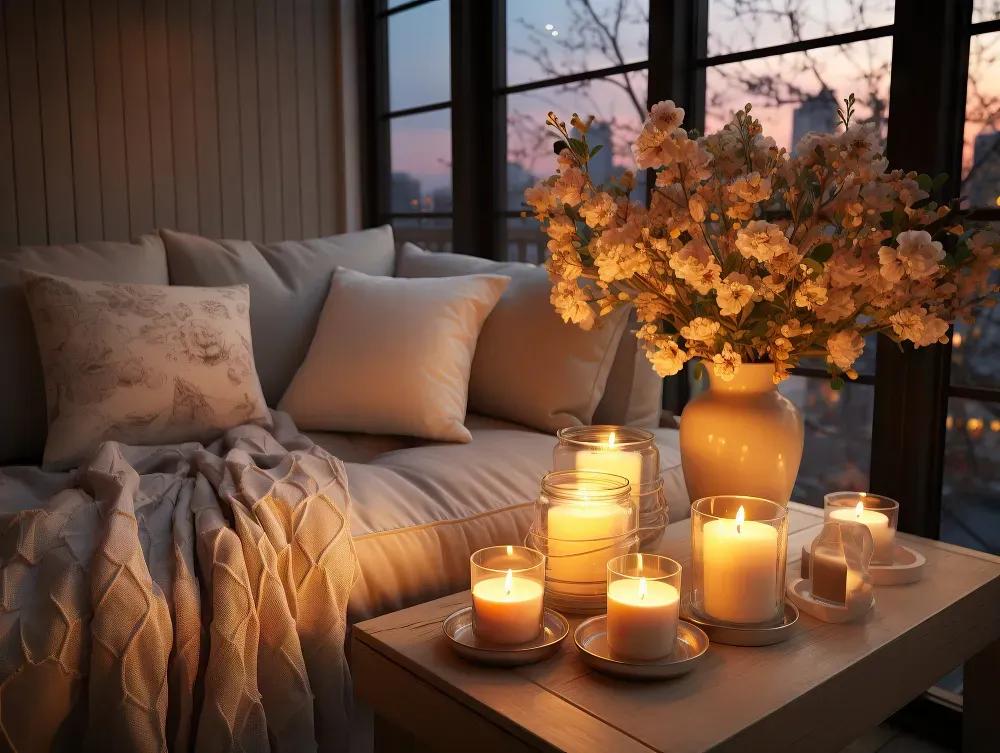
Imagine curling up on your couch after a long day, surrounded by a gentle cascade of fairy lights draped over bookshelves or woven through indoor plants. This isn't just aesthetic; it's therapeutic. Ambient lighting like Christmas lights helps delineate "zones" in your home dedicated to calm. In the living room, string lights along the perimeter can soften shadows, making the space feel more inviting and less cavernous during early sunsets.
For bedrooms, opt for dimmable LED Christmas lights in warm whites or soft colors like amber. These can replace stark overhead lights, signaling to your body that it's time to unwind. Pairing them with a bedtime routine—such as reading under their glow or practicing deep breathing—reinforces positive habits. The subtle flicker mimics candlelight, which has been shown in wellness studies to lower cortisol levels, the stress hormone. One practical tip: Use battery-operated or smart-controlled lights to avoid cords, ensuring safety and ease.
In home offices or study areas, where winter blues might hit hardest during remote work, seasonal lighting can boost focus without strain. Hang icicle lights behind a desk to create a backdrop of calm, reducing eye fatigue from computer screens. This setup encourages short breaks for reflection, turning potential stress zones into pockets of peace.
Beyond individual rooms, think holistically about your home's flow. Pathway lighting with mini LED strings along hallways or staircases not only prevents accidents in low light but also guides you gently through transitions, fostering a sense of security and routine. For families, involving everyone in setting up these lights can become a bonding activity, enhancing collective emotional wellness.
Christmas Lights as a Tool for Positive Routines
Christmas lights aren't just decorative; they're a bridge to better habits. During darker months, establishing routines is key to maintaining mental balance. Start your morning with gradual lighting—perhaps timer-set strings that brighten slowly, simulating dawn—to ease into the day without shock. This aligns with light therapy principles, helping regulate mood from the outset.
Evenings benefit most from their calming influence. After dinner, dim the main lights and switch to Christmas strands for "wind-down time." This creates a ritual space for journaling, yoga, or simply chatting with loved ones, free from the distractions of brighter environments. The soft illumination encourages presence, reducing the urge to scroll on devices that disrupt sleep.
For those prone to isolation in winter, hosting low-key gatherings under festive lights can combat loneliness. The warm ambiance makes social interactions feel effortless and joyful, reinforcing community ties essential for emotional health.
If setting up elaborate displays feels daunting, consider professional help. For residents in Ohio, Professional holiday light installation in Centerville offers expert services to customize your setup safely and beautifully, ensuring your home becomes a true sanctuary without the hassle.
Overcoming Challenges and Maximizing Benefits
While seasonal lighting is accessible, a few considerations ensure optimal results. Choose energy-efficient LEDs to keep costs low and avoid overheating. Experiment with colors—cool blues for energizing mornings, warm golds for evenings—to tailor to your needs. If you have light sensitivity, start small and build up.
Integrating aromatherapy or soft music with your lighting setup amplifies the calm. Essential oils like lavender under twinkling lights can create a multisensory experience, deepening relaxation.
Ultimately, the goal is sustainability. Make seasonal lighting a mindful practice, not a temporary fix. Track your mood in a journal to see improvements, adjusting as needed. Over time, this can lead to lasting emotional resilience, turning winter's challenges into opportunities for growth.
Embracing Light for Lasting Wellness
In a world where darkness can feel overwhelming, reclaiming control through seasonal lighting is empowering. Christmas lights, with their ambient charm, offer more than decoration—they're a lifeline to comfort, routine, and joy. By weaving them into your home, you're not just illuminating spaces; you're nurturing your inner light.
As we navigate the darker months, remember: a little glow goes a long way. Whether stringing lights yourself or enlisting pros, start small and let the calm unfold. Your mood—and home—will thank you.