

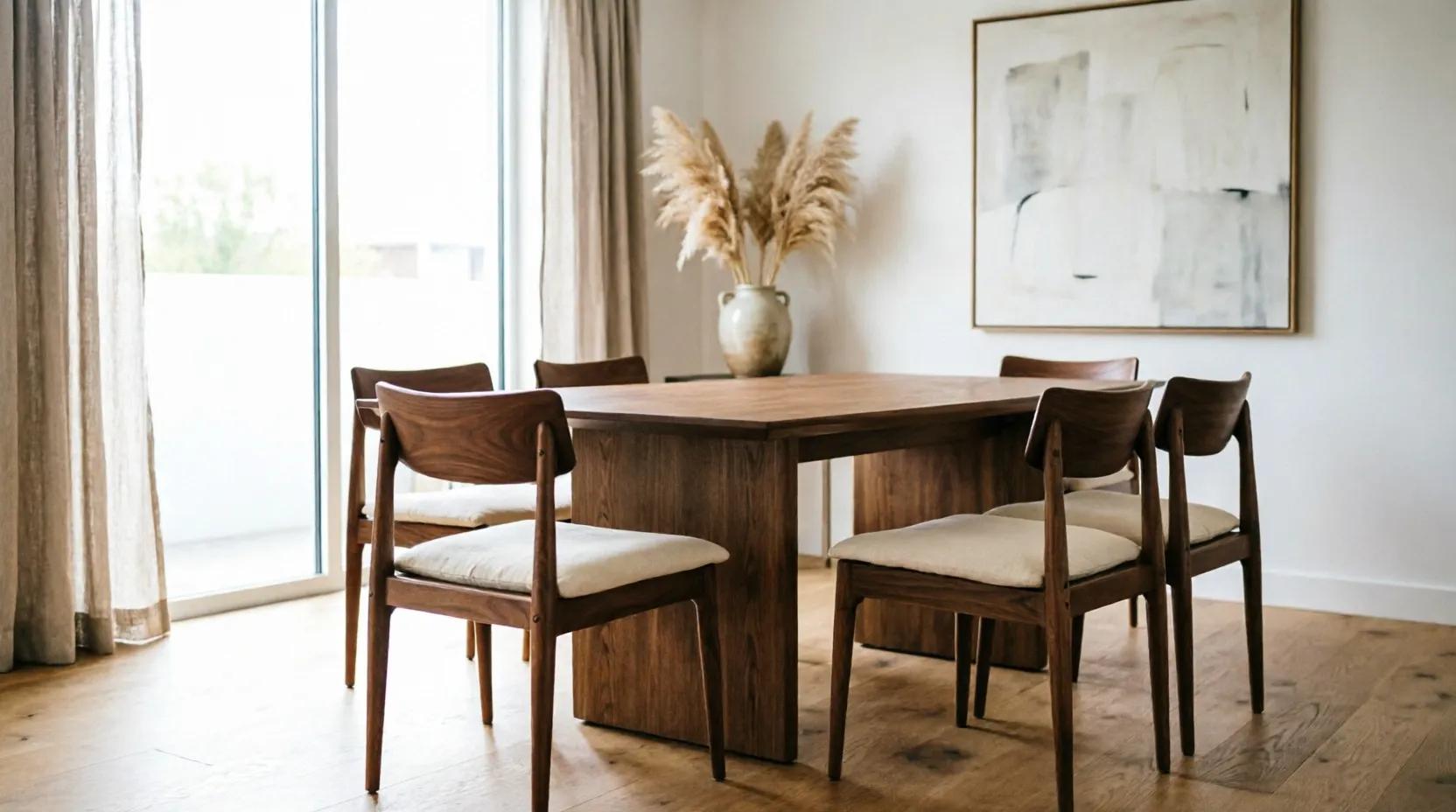
Dining chairs have a habit of doing more work than people expect. They’re functional, obviously, but they also shape the entire mood of the dining area, especially in homes where the table sits within an open-plan kitchen or living space. A table might be the anchor, but the chairs often decide whether the setting feels relaxed, refined, sculptural, casual, cosy or a little more polished.
That’s why choosing from the designer dining chair range can be a surprisingly important part of pulling a room together. The right chairs don’t just give people somewhere to sit; they add rhythm, texture and personality, while helping the dining area feel like a considered part of the home rather than an afterthought.
Start With the Feeling You Want
Before getting caught up in materials and measurements, it helps to think about the mood of the room. Do you want the dining area to feel calm and minimal, warm and family-friendly, elegant enough for entertaining, or casual enough for everyday meals without fuss? Dining chairs can push the space in any of those directions, sometimes more strongly than the table itself.
A slim timber chair can make a room feel lighter and more relaxed, while an upholstered chair adds softness and comfort. A black frame might bring contrast, a curved back can make the space feel gentler, and a more architectural silhouette can turn the chairs into a design feature. None of these choices is right or wrong on its own, but each one changes how the room reads.
It’s also worth looking at what’s already happening nearby. In an open-plan home, dining chairs may need to relate to kitchen stools, pendant lighting, flooring, cabinetry and lounge furniture. They don’t have to match everything, and in most cases they shouldn’t, but they do need to sit comfortably within the broader palette.
Comfort Matters More Than You Think
A beautiful dining chair that nobody enjoys sitting in is a fairly expensive decoration. Comfort becomes especially important if the table is used for more than quick meals, which, in most homes, it is. Dining tables often double as homework zones, laptop spaces, weekend coffee spots, board game stations and the place everyone ends up during long dinners.
Seat height, back support, width, cushioning and armrests all affect how a chair feels in daily use. Armchairs can look generous and inviting, but they need enough space to slide under or around the table comfortably. Upholstered chairs may feel more luxurious, but they’ll need fabric choices that make sense for the household. Timber or moulded chairs can be easier to clean, but the shape has to be supportive enough for real sitting, not just a quick photo.
Getting the proportions right is just as important as the style. Chairs that are too bulky can crowd the table, while chairs that are too delicate may look lost in a larger room. The best choice usually feels balanced: enough presence to hold the space, but not so much that the dining area becomes visually heavy.
Materials Bring Texture and Character
Dining settings can fall flat when every surface feels too similar. Chairs are a useful way to introduce contrast, whether through timber grain, woven seats, upholstery, leather, metal, rattan or moulded finishes. Even a subtle change in texture can make the whole room feel more layered.
This is where dining chairs can help bridge different parts of the interior. A timber chair might pick up warmth from the flooring, while a fabric seat softens a stone benchtop or sleek kitchen. A metal frame can echo hardware or lighting, and a woven detail can make a modern room feel less rigid.
The Right Chairs Make the Table Feel Complete
Dining chairs aren’t just accessories to the table. They’re part of the experience of gathering, eating, talking and living in the space.
When the style, comfort and proportions are right, the whole room feels more resolved. The dining area becomes easier to use, nicer to look at and more inviting to sit in, which is exactly what good furniture should do.