

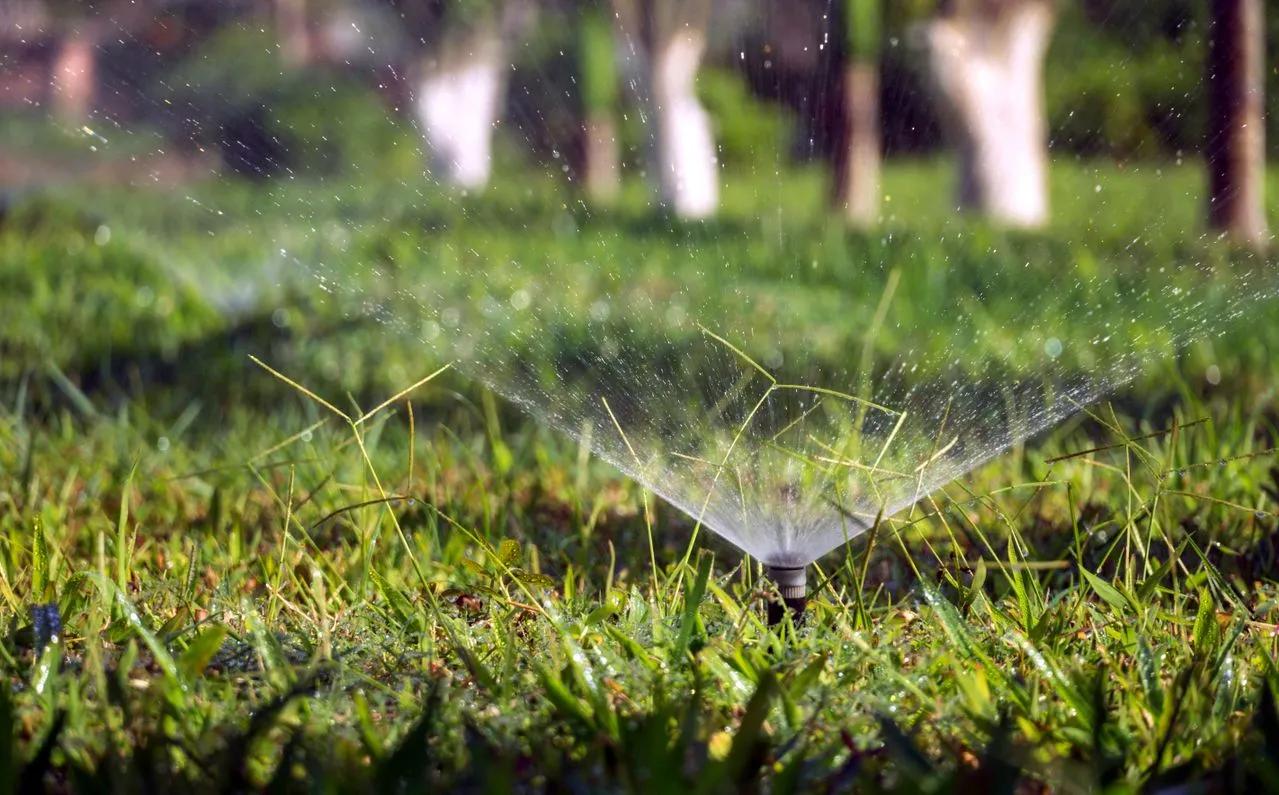
A healthy yard doesn’t usually come from luck. It comes from timing, consistency, and knowing when your grass is getting pampered versus quietly overwatered. If you want your outdoor space to look better without wasting water or money, your watering routine deserves a closer look. A few smart adjustments can help you keep your lawn greener, your plants stronger, and your utility bill from acting like it owns the place.
Your Sprinkler Setup Has a Bigger Impact Than You Think
If your current setup leaves one patch flooded and another patch thirsty, the issue may not be your schedule. It may be your equipment. Uneven coverage wastes water fast and creates a yard that looks confused. One section grows like a golf course, another starts crunching under your shoes.
That’s where professional lawn sprinkler system installation can make a noticeable difference. A properly designed system accounts for yard size, spray pattern, water pressure, plant type, and drainage conditions. Instead of blasting every area with the same amount of water, it can divide your property into zones that reflect how the space actually functions.
If you’ve ever dragged hoses around in July while sweating through your shirt, automation starts sounding less like luxury and more like common sense. Better coverage also means fewer bare spots, less runoff, and more predictable results week after week.
Start by Understanding What Your Yard Actually Needs
Before you change sprinklers, buy timers, or dig up a patch of soil, pay attention to how your yard behaves. Grass in full sun dries faster than grass near fences or trees. Sloped areas shed water quickly, while flat spots can stay soggy for days. The result is one yard with multiple watering zones, even if it looks uniform at first glance.
Check the soil with a screwdriver or small trowel. If the ground is dry a few inches down, your lawn may need water. If it feels damp and compacted, adding more won’t help. Watch for blades turning bluish-gray or footprints that linger after you walk across the grass. Those are classic signs of stress.
A smart routine starts with observation, not guesswork. You’re not watering a green carpet. You’re managing a living system with different needs across each section.
Watering Too Often Can Be Just as Bad as Watering Too Little
A lot of homeowners assume more water equals a better lawn. That sounds logical until fungus, shallow roots, and yellow patches show up uninvited. Frequent light watering trains grass roots to stay near the surface, where they become weak and dependent. Deep, less frequent watering encourages stronger root growth and better drought resistance.
For many lawns, one to one-and-a-half inches of water per week is a useful benchmark, including rainfall. You can measure output by placing a few empty tuna cans around the yard during watering. It’s low-tech, but it works.
Morning is usually the best time to irrigate. Water has time to soak in before the heat ramps up, and leaves dry faster than they would in the evening. Night watering can leave your lawn damp for too long, which gives mold and disease a comfortable place to settle in.
Match Your Watering Routine to the Season, Not Just the Calendar
Lawns don’t follow a fixed script. Spring growth, summer heat, fall recovery, and winter dormancy all change how much water your yard needs. If you use the exact same irrigation schedule year-round, you’ll almost always be overwatering or underwatering at some point.
In spring, grass often needs less supplemental water because temperatures are cooler and rainfall is more common. Summer usually demands closer monitoring, especially during long dry stretches or heat waves. Early fall can still require watering, particularly if your region stays warm. Winter often calls for little to none, depending on your climate.
The smartest move is to adjust based on weather and soil conditions rather than habit. Rain sensors and smart controllers help a lot here. They can pause irrigation after storms or change schedules based on temperature trends. That means less waste and fewer moments where your sprinklers are running in the rain like they missed the memo.
Don’t Ignore Plants, Garden Beds, and Microclimates
Your lawn gets most of the attention, but the rest of your landscape has its own priorities. Shrubs, flower beds, vegetable patches, and young trees often need different watering methods than turf. If you water everything the same way, some plants will struggle while others get too much.
Drip irrigation is often a better fit for beds and foundation plantings because it delivers water directly to the root zone. That reduces evaporation and helps prevent fungal issues on leaves. It’s especially useful for gardens with mulch, which already helps hold moisture in the soil.
Also notice the small climate differences around your property. A south-facing wall can create extra heat. Windy corners dry out faster. Areas under large trees may get less water because roots compete aggressively. Once you spot these microclimates, you can water more precisely instead of treating the entire yard like one giant identical zone.
Maintenance Is What Keeps a Good System From Turning Wasteful
Even a well-designed irrigation system needs occasional attention. Sprinkler heads shift, nozzles clog, seals wear out, and underground leaks can develop quietly. A system that worked perfectly last season might be wasting water this season without making much noise about it.
Walk your yard while the sprinklers run. Look for heads spraying sidewalks, misting into the air, or failing to pop up fully. Check for unusually green patches, soft ground, or pooling water, which can signal a leak. If one zone seems weaker than the others, pressure problems may be involved.
It also helps to adjust sprinkler direction after landscaping changes. Adding a patio, planting shrubs, or installing a fence can alter how water moves through the space. Maintenance isn’t glamorous, but it protects your investment and keeps your lawn from slipping backward. Think of it as basic system hygiene, minus the lecture.
A Better Watering Strategy Pays Off in More Than Appearance
A greener lawn is nice, but the real payoff goes deeper. Efficient watering supports stronger roots, healthier plants, and lower monthly water use. It can also reduce runoff that carries fertilizers and debris into storm drains, which matters more than many homeowners realize.
A good routine saves time too. Instead of reacting to brown spots, replacing stressed plants, or constantly tweaking timers, you create a system that works with your landscape rather than against it. That makes yard care less random and far more manageable.
If your lawn never seems to respond well despite your effort, step back and review the basics: coverage, timing, soil, season, and system condition. Small changes often produce visible improvements within a few weeks. You don’t need a flawless yard. You need a watering plan that makes sense for the space you live with every day.