

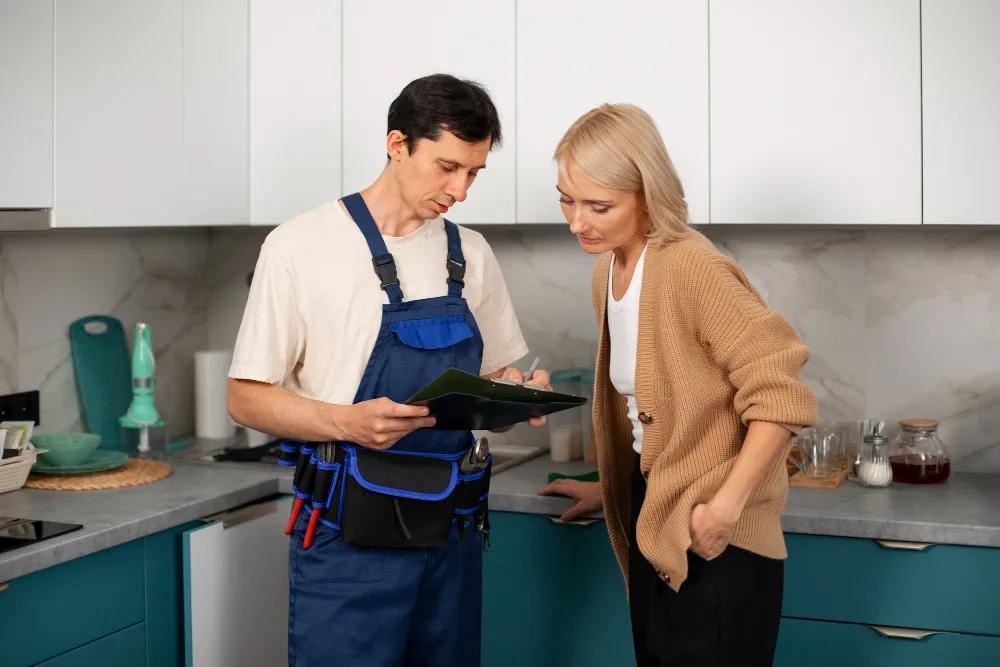
A comfortable indoor environment depends on a heating and cooling system that operates efficiently throughout the year. Whether you need air conditioning during the summer or reliable heating during colder months, keeping your HVAC equipment in good condition is essential for comfort, energy efficiency, and indoor air quality. When problems arise, working with a qualified HVAC contractor can help you identify the cause, find the right solution, and avoid unnecessary expenses.
HVAC stands for heating, ventilation, and air conditioning. These systems regulate indoor temperatures, circulate air, and help manage humidity. However, like other mechanical equipment, HVAC systems require professional installation, regular maintenance, and occasional repairs to perform properly.
Understanding what an HVAC contractor does, when to hire one, and how to choose the right professional can help you make informed decisions about your property's heating and cooling needs.
1. What Does an HVAC Contractor Do?
An HVAC contractor specializes in installing, maintaining, repairing, and replacing heating and cooling systems. These professionals work with a variety of equipment, including central air conditioners, furnaces, heat pumps, ductwork, thermostats, and ventilation systems.
One of their primary responsibilities is HVAC installation. Installing a new system involves more than connecting equipment. A contractor must consider the building's size, insulation, layout, climate, and heating and cooling requirements to recommend an appropriate system.
Contractors also provide diagnostic services when equipment stops working correctly. For example, weak airflow, unusual noises, inconsistent temperatures, or frequent system cycling may indicate an underlying problem that requires professional attention.
Routine maintenance is another important service. HVAC professionals inspect equipment, clean or replace filters as appropriate, check electrical connections, and evaluate system performance according to manufacturer recommendations.
For commercial properties, contractors may also work with larger rooftop units, complex ventilation systems, and building-wide temperature controls.
Hiring an experienced professional ensures that your heating and cooling equipment receives attention suited to its design and operating requirements.
2. Signs You Need Professional HVAC Services
HVAC systems often provide warning signs before a major breakdown occurs. Recognizing these symptoms early can help you schedule repairs before the problem becomes more expensive.
One common warning sign is inconsistent indoor temperature. If some rooms feel significantly warmer or colder than others, the issue may involve ductwork, airflow restrictions, thermostat settings, insulation, or improperly sized equipment.
Unusual sounds can also indicate trouble. Grinding, rattling, buzzing, or persistent banging noises may point to loose components, motor problems, or other mechanical issues.
Another concern is an unexpected increase in energy bills. If your usage habits have not changed but heating or cooling costs continue to rise, your equipment may be operating inefficiently. Dirty filters, restricted airflow, refrigerant problems, and aging components can contribute to poor performance.
Frequent cycling is another reason to contact an HVAC repair contractor. A system that repeatedly turns on and off may have thermostat issues, airflow restrictions, sizing problems, or failing components.
You should also seek professional assistance if your system struggles to maintain the desired temperature or produces weak airflow. Prompt diagnosis can help prevent additional strain on the equipment.
3. The Importance of Regular HVAC Maintenance
Regular maintenance helps keep heating and cooling equipment operating as intended. Without proper care, dirt buildup, restricted airflow, worn components, and neglected drainage systems can reduce performance over time.
Professional HVAC maintenance services typically include inspecting system components, checking electrical connections, examining condensate drainage, evaluating thermostat operation, and testing overall performance. Depending on the equipment, maintenance may also involve checking refrigerant-related components and cleaning specific parts.
Homeowners can support system performance by checking air filters regularly and replacing them according to the manufacturer's recommendations. Filters may require more frequent replacement in homes with pets, heavy dust, or high system usage.
It is also helpful to keep outdoor equipment clear of leaves, grass, and other debris while maintaining the clearances recommended by the manufacturer. Indoor supply and return vents should remain unobstructed to support proper airflow.
Professional maintenance does not eliminate every possible breakdown, but it can help identify developing issues before they become major problems. It also gives technicians an opportunity to explain equipment condition and recommend appropriate repairs.
Scheduling maintenance before peak heating or cooling seasons can be especially useful because it allows time to address potential problems before demand increases.
4. How to Choose the Best HVAC Contractor
Choosing the right contractor is essential for getting reliable service and protecting your investment. Before hiring a company, consider several important factors.
Verify Qualifications and Experience
Look for a contractor with relevant training, appropriate licensing where required, and experience working with your type of equipment. Certifications and manufacturer training can provide additional evidence of technical knowledge.
For refrigerant-related work, verify that the technician holds any credentials required by local regulations.
Request a Detailed Estimate
Before approving a major repair or installation, ask for a written estimate explaining the work involved, equipment specifications, labor charges, and any additional costs.
If you are comparing HVAC contractors near me, request estimates that cover the same scope of work. This makes it easier to compare value instead of choosing based only on the lowest advertised price.
Check Reviews and References
Customer feedback can help you understand a contractor's communication, punctuality, workmanship, and approach to resolving problems. Look for consistent patterns across multiple reviews rather than relying on one positive or negative comment.
You can also ask for references from customers who have completed similar installation or replacement projects.
Ask About Warranties
Clarify the difference between manufacturer warranties and workmanship warranties. Ask what each warranty covers, how long coverage lasts, and whether regular maintenance or specific installation requirements apply.
A professional contractor should be willing to explain these details before work begins.
5. When Should You Replace Your HVAC System?
Repairing an existing system is often sensible when the issue is minor and the equipment remains in good condition. However, replacement may be worth considering when breakdowns become frequent or repair expenses continue to increase.
Other factors include the system's age, energy consumption, availability of replacement parts, and ability to maintain comfortable indoor temperatures.
If your equipment requires a major repair, ask the contractor to compare the cost of repairing it with the estimated cost and benefits of installing a new system.
A new system may offer improved efficiency, quieter operation, better temperature control, and compatibility with modern thermostats. However, actual savings depend on equipment efficiency, installation quality, climate, and household usage.
Before choosing a replacement, make sure the contractor evaluates your property's heating and cooling requirements. Installing equipment that is too large or too small can lead to poor comfort, unnecessary energy consumption, and other performance issues.
Professional load calculations and appropriate equipment selection are important parts of a successful installation.
6. Improving Energy Efficiency With the Right HVAC System
Energy efficiency is an important consideration for both homeowners and commercial property managers. An efficient HVAC system can help control operating costs while maintaining a comfortable indoor environment.
Start by choosing equipment with an efficiency rating appropriate for your climate, budget, and usage requirements. Your contractor can explain available options and help you understand how different systems compare.
A programmable or smart thermostat may also improve temperature management by adjusting settings according to your schedule. However, the benefits depend on correct setup and how the equipment is used.
Proper insulation and air sealing are equally important. Even an efficient air conditioner or furnace may struggle if conditioned air escapes through gaps or insufficiently insulated areas.
Ductwork deserves attention as well. Leaks, poor insulation, and restricted airflow can reduce system performance. A contractor can inspect accessible ducts and recommend repairs where needed.
For commercial buildings, reviewing operating schedules, ventilation requirements, and building controls may reveal additional opportunities to improve efficiency.
The best results typically come from treating the building and HVAC equipment as a complete system rather than focusing exclusively on the heating or cooling unit.
7. Residential and Commercial HVAC Services
Residential and commercial properties often have different heating and cooling requirements. Understanding these differences can help you select a contractor with the right expertise.
Residential HVAC services generally focus on household comfort, indoor air quality, equipment maintenance, and the installation or repair of furnaces, heat pumps, and air conditioners.
Commercial systems may serve offices, restaurants, retail stores, warehouses, and other large facilities. These properties can require specialized equipment, more complex controls, and maintenance plans designed to minimize interruptions to business operations.
When selecting a contractor, confirm that the company has experience with the size and type of property you manage. A professional familiar with residential split systems may not necessarily have the same experience with large commercial rooftop units.
Clear communication, appropriate safety procedures, and a documented service plan are important in both settings.
Conclusion
Choosing a qualified HVAC contractor is an important step toward maintaining a comfortable, efficient, and dependable indoor environment. From diagnosing equipment problems to installing replacement systems, experienced professionals can help you make decisions based on your property's specific requirements.
Regular maintenance, timely repairs, proper equipment sizing, and attention to energy efficiency can all contribute to better HVAC performance.
Whether you need routine servicing, an emergency repair, or a complete system upgrade, take time to verify qualifications, compare detailed estimates, and understand warranty coverage before making a decision.
By working with a reliable HVAC contractor and maintaining your equipment consistently, you can improve indoor comfort, manage operating expenses, and support the long-term performance of your heating and cooling system.