

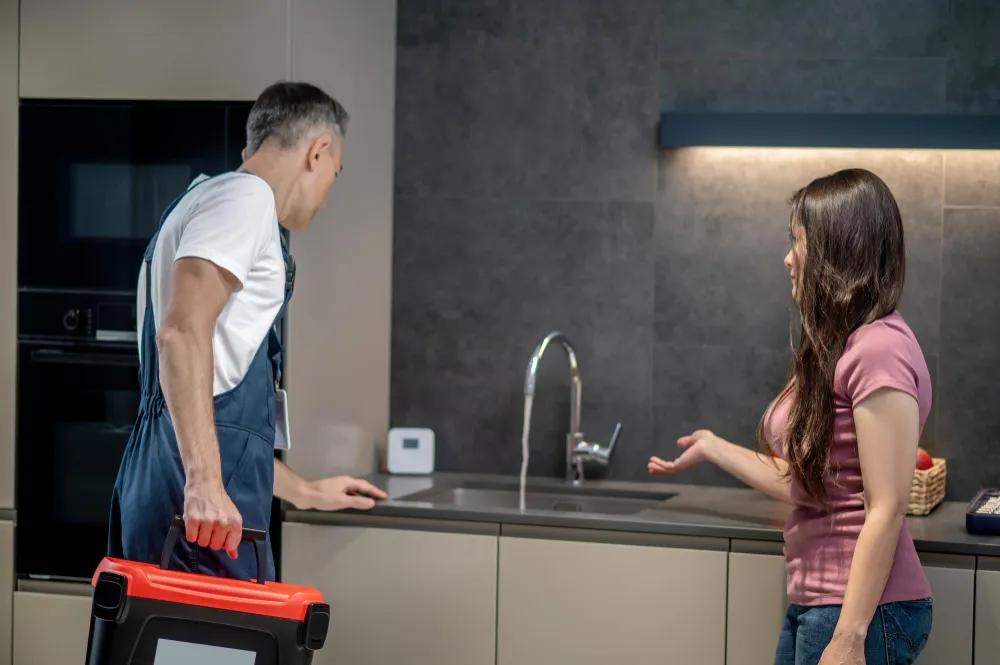
Image source: freepik
Plumbing problems can happen at any time, ranging from a small, intermittent leak to a major plumbing issue. You need a professional plumber who will not only resolve the issue quickly but also ensure a lasting fix and provide follow-up support.
With so many options available, here are key factors to consider to choose the right plumber.
1. Know Exactly What You Need
Before beginning research, recognize your core plumbing needs. Is it for commercial purposes or residential ones? Is it an emergency or a more planned renovation? Do you want to replace pipes or unclog a drain?
Each of these requires different skill sets. Seek a professional who understands your exact needs, ensuring they can provide an accurate estimate for the required services.
2. Prioritize Local and Specialized Experience
Choose a plumber who has experience working in your locality and with the exact concerns as yours. For instance, homeowners in the Roanoke Valley should look for a professional plumber in Roanoke, Virginia, with years of experience. This ensures they are well-versed in Virginia’s state and local building codes.
Experience also helps them find the root cause and effective solutions and execute repair/replacement work faster. They will work efficiently and deliver high-quality and lasting results.
For this, you can ask the plumber about whether they have worked on similar projects as yours directly.
3. Verify the Licensing and Insurance
Working with a licensed and insured plumber is non-negotiable for protecting yourself and your property. A license confirms that the professional is authorized to perform the work and adheres to current building and safety codes. More importantly, proper insurance, specifically general liability and workers' compensation coverage, is crucial. This insurance directly protects you from financial responsibility if an accident causes property damage or if a worker is injured on your premises. Always request and verify proof of both credentials before any work begins.
4. Look up Reviews and Recommendations
Check reviews of the plumbing company on Google, Yelp, and other similar platforms. Look for consistent positive reviews about overall results, professionalism, transparency, and customer satisfaction. If there are negative reviews, notice what they are about. Check if several people have the same issue. Recurring issues mentioned across multiple negative reviews indicate a potential pattern of problems.
5. Learn about Warranties and Guarantees
Reputable plumbers guarantee the quality of their work and materials with a formal warranty. This provides long-term assurance that any installation, repair, or material issues will be addressed.
Before hiring, request to see the warranty documentation. Ensure it is written, clearly defines what is covered (including parts and labor), and specifies its duration and any applicable conditions. A clear, written warranty protects you from future repair costs if issues arise.
6. Screen for Professionalism
Professionalism is of utmost importance in plumbing. Look for a plumber who listens to your problems and questions well and answers clearly. They must use plain language instead of industry jargon to help you understand them effectively.
They must also respond promptly and with due respect. Even if they’re busy with another project, they must say so and reschedule the conversation instead of delaying a response.
In addition, notice the state of their equipment. Clean vehicles and well-maintained tools indicate a respect for their profession. These slight details indicate how serious a plumber is about work and customer satisfaction.
7. Know about the Materials Used
Plumbing materials play a major role in the durability of the overall work. So, ask about the kind/brand of materials the plumber uses. They must only use durable and quality materials that adhere to industry standards.
Of course, you can request better quality materials if you don’t trust a particular brand. But be open to spending more to minimize repair and maintenance expenses over time.
8. Talk about Pricing
Request the plumber to inspect the issue and offer a rough but transparent estimate. It must cover labor, material, and other variable expenses. If the quote is too low, they’re either using poor materials or have hidden fees.
Conclusion
Before selecting a plumber, compare multiple professionals to find the most qualified. Ensure they offer emergency services as well, so you won’t have to restart research during testing times. Lastly, rely on your instincts while making a call.