

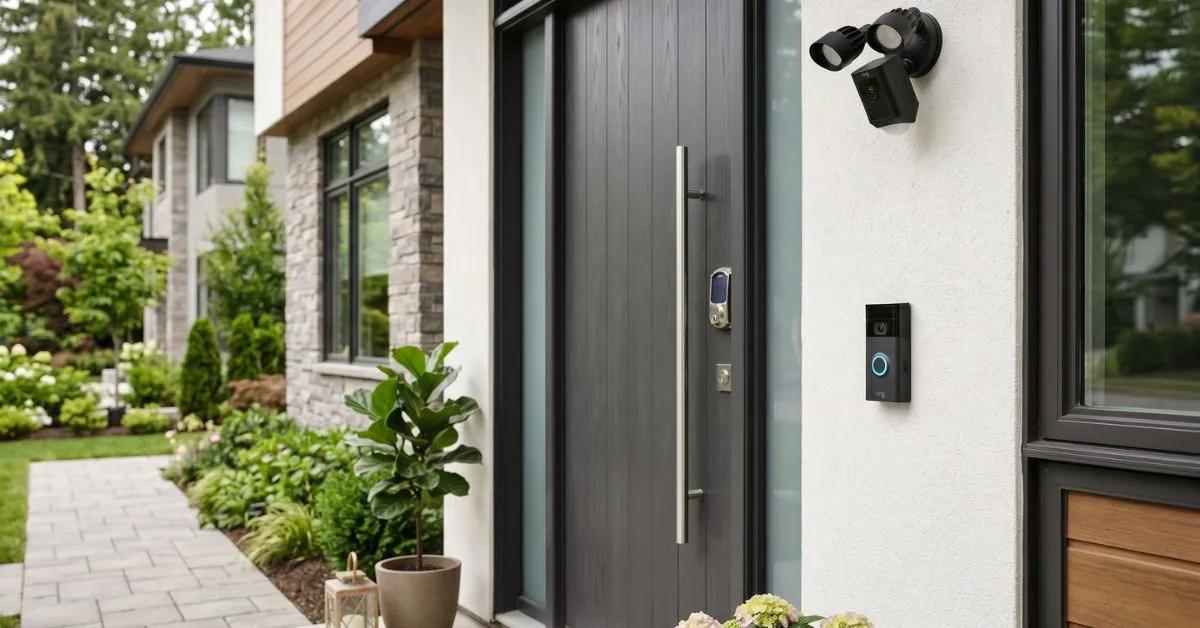
Your front door has a lot of visual influence over your home. The color, texture, and sheen can support the architecture and give the entrance a polished feel. Knowing how to choose your home’s exterior door finish will have a long-term impact on the property. Learn the essentials below so you can find a great door design ASAP.
Start With the Door Material
A beautiful finish starts with a clear sense of what lies beneath it. Fiberglass, steel, and wood doors each have their own traits, so the finish needs to suit the surface. Some doors arrive with a factory-applied finish, and others give you more freedom to select paint or stain.
Fiberglass doors offer plenty of visual variety. Some have smooth surfaces suited to paint, and others mimic wood grain for a more traditional appearance. A stain can emphasize that texture and provide the warmth of wood without an actual wood door.
Steel doors tend to pair well with paint. Their smooth surface creates a crisp appearance that suits traditional, transitional, and modern homes. Wood doors can accept paint or stain, though the exact options depend on the wood species and door construction.
Look at Your Home as a Whole
The door doesn’t exist in isolation. Brick, stone, stucco, trim, roof tones, garage doors, shutters, and porch materials all contribute to the exterior palette. A finish feels more deliberate when it has a visual relationship with at least one of those elements.
For example, a warm brown door can pull out earthy shades from brick or natural stone. Deep charcoal may echo a dark roof or window frames. A soft cream can complement pale masonry and create a quieter entrance.
You don’t have to match every exterior feature. Too much coordination can leave a facade flat. The goal is to create enough connection that the front door feels like part of the architecture rather than an unrelated accent.
Decide How Much Contrast You Want
Another great way to choose your home’s exterior door finish is to consider the level of contrast you desire. Some homeowners want the front door to command attention from the curb. Others prefer an entrance that blends into the rest of the facade. Your finish can help create either result.
For a bold contrast, place a dark door against a pale exterior or introduce a rich color against neutral brick. Navy, black, deep green, and saturated red can give an entrance a strong focal point. A more restrained finish, such as warm gray or medium brown, can offer definition without dominating the facade.
Contrast can also come from texture rather than color. A wood-look fiberglass door against smooth stucco adds visual depth even when both surfaces share similar tones. That approach can feel refined without a dramatic color shift.
Consider the Architectural Style
Architecture provides useful direction when the number of finish choices starts to feel excessive. A traditional home may pair naturally with warm wood tones, deep red, navy, black, or classic neutral shades. Contemporary homes tend to suit clean neutrals, dark tones, and restrained wood looks.
Craftsman-style homes can accommodate earthy stains and colors with a natural character. Farmhouse exteriors pair well with black, muted green, soft gray, or wood-inspired finishes. Mid-century homes offer more room for expressive colors, especially when the door serves as a deliberate focal point.
These aren’t strict rules. They’re a practical place to start. A finish can depart from the expected palette and still look cohesive when its undertones relate to the rest of the home.
Pay Attention to Undertones
Two shades of gray can look almost identical on a sample and completely different beside your home. One may lean blue, and another may have warm brown undertones. Exterior materials can reveal those subtle differences fast.
Take brick as an example. Red brick may contain hints of brown, burgundy, orange, cream, or even charcoal. A door finish that repeats one of those less obvious tones can create a polished result without an exact match.
The same principle applies to stone and stucco. Look beyond the main exterior color and notice the smaller shades within the material. Those secondary tones can point you toward a door finish that feels naturally connected to the facade.
Factor in Sun Exposure and Weather
Exterior finishes face far more stress than interior surfaces. Sun, rain, snow, temperature shifts, and everyday exposure can affect the way a door looks over time. Your door location deserves consideration before you settle on a finish.
A door beneath a deep porch roof has more shelter than one with direct afternoon sun. Dark colors can absorb more heat, so review the door manufacturer’s finish guidance before you choose a very dark shade for a sun-heavy location. Manufacturer recommendations can vary by door material and product. Learn how to choose exterior doors for harsh weather climates if you want a setup that can withstand your local conditions.
Choose the Right Sheen
Color gets most of the attention, but sheen can change the character of a door just as much. A glossy surface reflects more light and can create a formal, polished appearance. It can also draw attention to surface flaws.
Lower-sheen finishes tend to feel softer and more understated. Satin and similar finishes can suit homeowners who want some depth without a highly reflective surface. The right choice depends on the door material, desired style, and finish products approved for that door.
Think about nearby trim, hardware, and exterior accents as well. A door with subtle sheen beside matte brick and dark hardware can create a refined contrast. Small shifts in texture can give the entrance more dimension without another color.
Let Door Hardware Support the Finish
Hardware acts almost like jewelry for an exterior door. The handleset, lock, hinges, and decorative accents can reinforce the finish or provide a tasteful contrast. A dark door with brass-toned hardware creates a very different mood from the same door with matte black hardware.
Warm wood tones can pair well with bronze or brass-inspired finishes. Cool gray, navy, and black doors can work with chrome, nickel, or dark hardware. These combinations aren’t absolute, so treat them as visual guides rather than fixed formulas.
Keep other exterior metal accents in mind. Porch fixtures, house numbers, rail details, and mailbox hardware can help create a cohesive entrance. They don’t need an exact match, but they should feel related.
A successful exterior door finish feels connected to the house, suits the door material, and supports the atmosphere you want at the entrance. Visit a local showroom and compare choices in person before your next exterior update. With a thoughtful finish and a door that suits your space, your entrance can greet every arrival with style.