

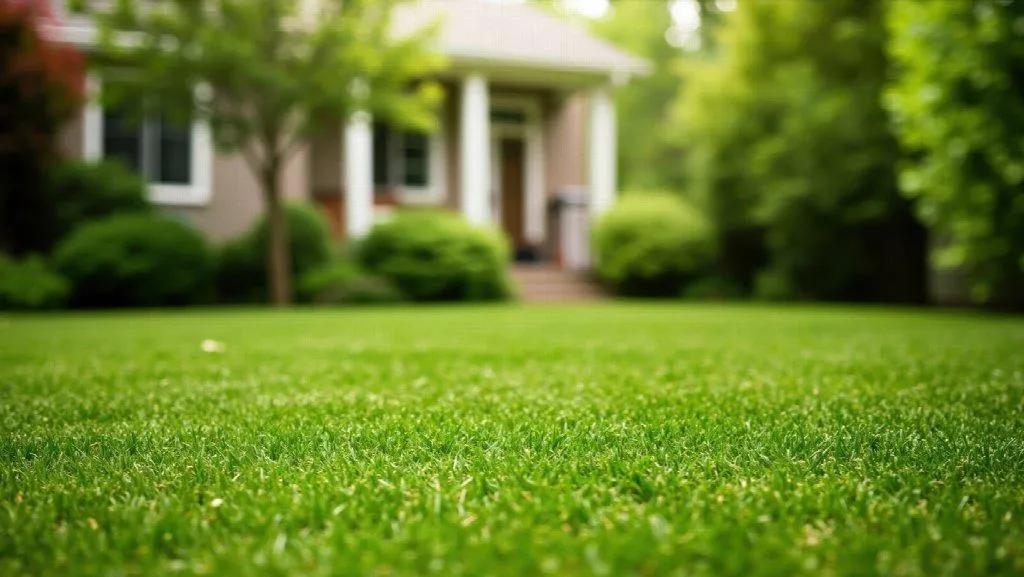
A beautiful lawn does not have to require hours of work every week. With the right grass, mowing routine, watering habits, and seasonal maintenance, homeowners can create an outdoor space that looks healthy without becoming a constant chore.
The key to a low-maintenance lawn is not doing less care altogether. It is choosing the right approach so that your lawn requires less time, water, and attention throughout the growing season.
Choose Grass That Fits Your Property
One of the easiest ways to reduce lawn maintenance is to choose grass varieties that are suited to your local climate and growing conditions. Different grasses have different requirements for sunlight, water, and mowing.
For properties in areas with cold winters, cool-season grasses are generally a practical choice. However, even within the same region, your lawn may have different needs depending on whether it receives full sun, partial shade, or significant shade from trees.
If you are establishing a new lawn, consider the amount of sunlight and foot traffic the area receives before choosing seed. Selecting grass that naturally performs well in your conditions can reduce problems later.
Keep Your Lawn at the Right Height
Mowing too frequently or cutting the grass too short can create unnecessary problems. Short grass may look neat immediately after mowing, but it can become more vulnerable to drought, heat, weeds, and other stresses.
Instead, maintain a consistent mowing height appropriate for your grass type. Avoid removing too much of the grass blade at once, especially if the lawn has grown significantly between cuts.
Keeping mower blades sharp is also important. A sharp blade creates a cleaner cut, while a dull blade can tear grass and leave the lawn looking uneven or stressed.
Water Less Often, but More Deeply
Frequent, shallow watering can encourage grass roots to remain close to the surface. Deeper watering, when conditions require it, can encourage a stronger root system.
The amount of water your lawn needs will depend on weather, soil conditions, grass type, and exposure to sunlight. During periods of rainfall, you may not need to water at all.
A simple way to make watering easier is to use a timer or irrigation system that can be adjusted based on seasonal conditions. Avoid automatically watering on a fixed schedule when the lawn already has adequate moisture.
Improve Your Soil
Healthy soil can make lawn care much easier. Compacted or poorly draining soil can prevent grass roots from getting the air, water, and nutrients they need.
Aeration can help relieve compaction and improve the movement of water and nutrients into the soil. For lawns with heavy thatch or compacted areas, seasonal aeration may be worth considering.
Adding organic matter where appropriate can also improve soil structure. Before applying fertilizer or soil amendments, consider testing the soil so you know what it actually needs.
Let Grass Clippings Work for You
Grass clippings do not always need to be collected and thrown away. When mowing regularly and removing only a small amount of grass at a time, clippings can often be left on the lawn.
These small pieces break down and return nutrients to the soil. This practice, often called grasscycling, can reduce the amount of yard waste produced while helping return nutrients to the lawn.
Just make sure clippings are not left in large piles, particularly when the grass has become excessively long between mowing sessions.
Stay Ahead of Weeds and Lawn Problems
A low-maintenance lawn still needs occasional attention. The difference is that addressing small problems early can prevent them from becoming much larger projects.
Check your lawn regularly for bare patches, weeds, standing water, or areas where grass is thinning. Reseeding a small damaged area is generally easier than trying to restore an entire section later.
If you are unsure about the condition of your lawn or how to maintain it efficiently, working with a lawn care professional can help you develop a maintenance plan based on your property's specific needs.
Focus on Consistency
The best low-maintenance lawn is one that is maintained consistently rather than neglected and then heavily worked on later. Regular mowing, appropriate watering, occasional aeration, and seasonal cleanup can keep most lawns looking healthy without requiring constant attention.
The goal is not to eliminate lawn care. It is to make your routine more efficient. By choosing appropriate grass, maintaining the right mowing height, improving soil health, and responding to problems early, you can enjoy a lawn that looks great while spending less time maintaining it.