

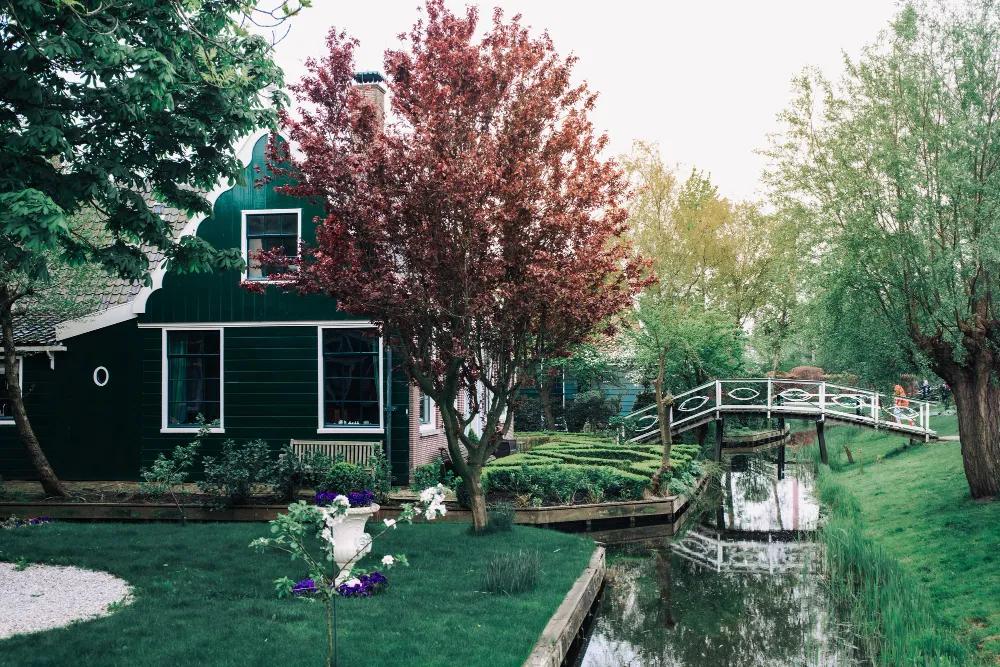
A leaking garden pond can quickly become more than a minor inconvenience. Falling water levels can affect fish, aquatic plants, and filtration equipment, while escaping water may saturate the surrounding soil. The challenge is that water loss does not always mean the pond liner has a hole. Finding the real source of the problem is essential before starting any repair.
Make Sure You Really Have a Leak
Some water loss is perfectly normal, particularly during warm, dry, or windy weather when evaporation increases. Waterfalls and fountains can also cause water to splash beyond the edge of the pond.
Mark the current water level and monitor it over the next day or two. If the level falls noticeably and consistently, especially during mild weather, there is a good chance that you have a leak somewhere in the pond system.
Avoid continually topping up the pond without investigating. Doing so can hide the scale of the problem and make the source more difficult to identify.
Check Pumps, Filters, and Water Features
Before assuming that the liner is damaged, inspect the equipment surrounding the pond. Look closely at hoses, pipe connections, filters, pumps, and fittings for damp patches or dripping water.
Waterfalls and streams deserve particular attention. Plants, leaves, or displaced stones can divert flowing water over the edge, while sections of liner around a waterfall may settle over time.
One useful test is to switch off the pump and water features temporarily while monitoring the pond level. If the water stops dropping, the problem is more likely to be associated with the circulation system, plumbing, or water feature rather than the main pond liner.
Locate Damage to the Pond Liner
If the pond continues losing water with its equipment switched off, inspect the liner. Allowing the water level to fall naturally can help narrow down the location. Once the level stops falling, examine the liner carefully around that height.
Move stones and plants cautiously and look for punctures, splits, worn areas, or damaged seams. Sharp rocks, roots, gardening tools, and general deterioration can all damage flexible pond liners.
Small holes are not always obvious, so work systematically rather than moving around the pond at random.
Repair the Leak Properly
Minor liner damage can sometimes be repaired with a patch or repair kit designed specifically for the type of liner installed. The damaged section generally needs to be accessible and thoroughly cleaned before a suitable repair can be made.
However, patching is not always the best option. Large tears, ageing liners, difficult-to-find leaks, or several damaged areas may require professional attention. Services such as Aqua Maintenance pond liner repair can be useful when identifying or repairing the problem is beyond a straightforward DIY job.
Protect Fish During Repairs
Fish should remain a priority throughout leak detection and repair. A rapidly falling water level can reduce their available swimming space and affect water quality.
If substantial draining is necessary, fish may need to be temporarily transferred to a suitable container containing pond water. Adequate aeration is particularly important if pumps or filtration equipment will be switched off for an extended period.
Prevent Future Pond Leaks
Once the repair is complete, inspect the pond periodically for early signs of trouble. Keep waterfall channels clear, check pipe connections, and avoid placing sharp objects directly against the liner.
Maintaining stable pond edges and dealing with small problems promptly can also prevent minor water loss from becoming a major repair. Regular observation is often the easiest way to keep a garden pond watertight, healthy, and attractive throughout the year.