

Table of Contents
Optimize Thermostat Settings
Enhance Home Insulation
Utilize Ceiling Fans
Block Sunlight
Maintain Your HVAC System
Use Energy-Efficient Appliances
Implement Natural Ventilation
Reduce Heat-Generating Activities
Upgrade Windows
Landscaping for Cooling
Personal Comfort Habits
Keeping your home cool throughout the summer does not have to lead to high energy bills. There are plenty of strategies you can implement to maintain a pleasant indoor temperature without breaking the bank. Whether you are considering upgrading your system or improving existing features, local options like Gilbert, AZ AC installation can help ensure your cooling system is running efficiently.
Using a combination of simple habits and smart upgrades, you can create a more comfortable home while also conserving energy. Taking action not only leads to immediate comfort but also offers long-term savings and environmental benefits.
Optimize Thermostat Settings
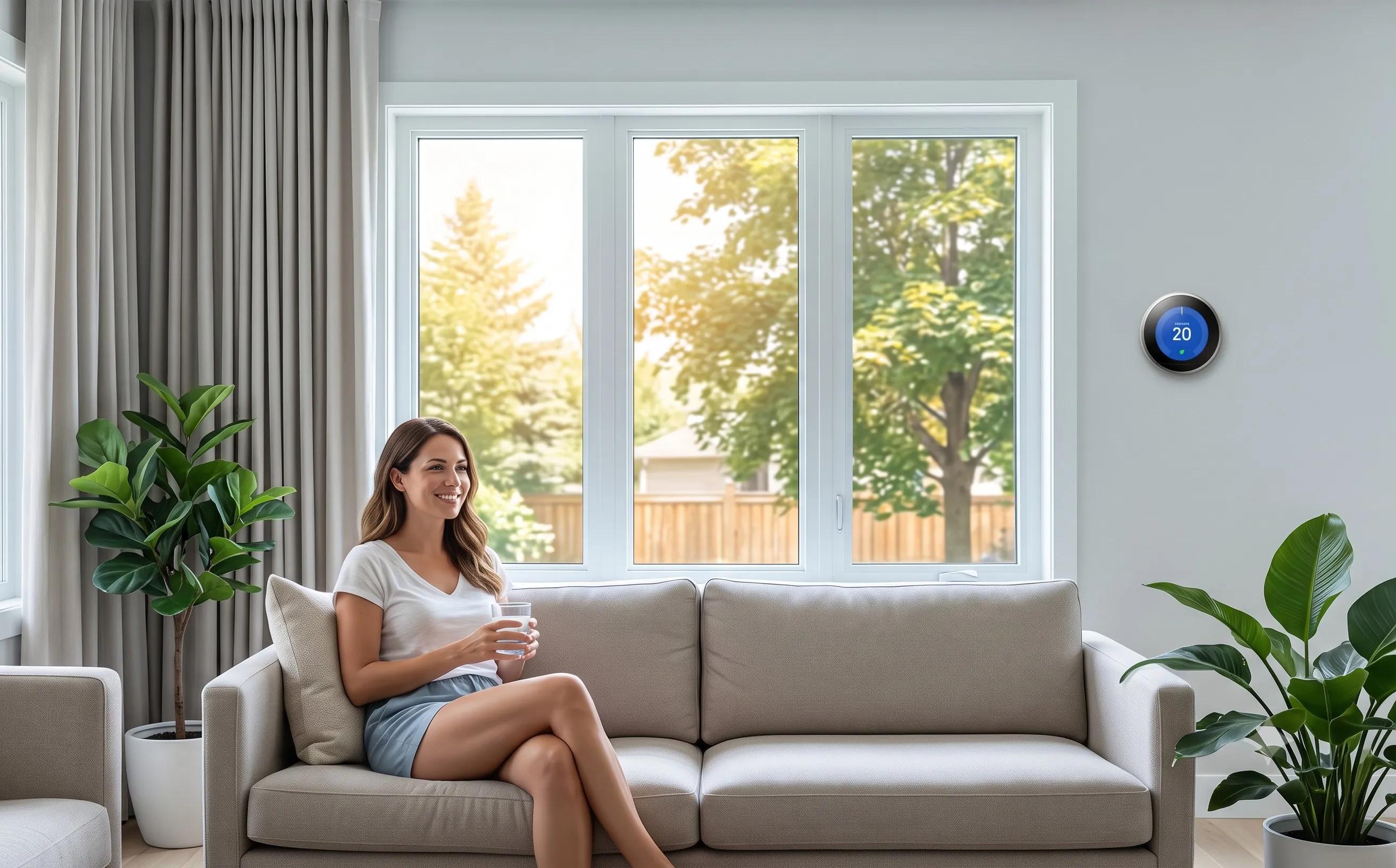
One of the first steps to saving energy during hot months is to maximize thermostat efficiency. Experts at the U.S. Department of Energy suggest keeping your thermostat set to 78°F (26°C) while you are at home, and increasing the temperature when you leave. Using programmable or smart thermostats can help automate these adjustments, so you never forget to raise the temperature before heading out. These devices ensure you only cool your home when necessary, providing comfort when you need it and savings when you do not.
Enhance Home Insulation
Insulation acts as a barrier to keep cool air inside and block heat from entering your home. Areas such as windows, doors, attics, and basements are common culprits for air leaks. Weatherstripping, sealing leaks, and upgrading attic insulation are straightforward ways to boost efficiency. According to the U.S. Department of Energy, improving insulation in key spots can decrease your cooling costs by up to 20%.
Utilize Ceiling Fans
Ceiling fans do not cool the air, but they make rooms feel cooler through a wind-chill effect. Adjust your ceiling fan to rotate counterclockwise in summer, pushing cool air down and creating a refreshing breeze. It is important to remember to switch fans off when you leave a room, since they are only effective when people are present.
Block Sunlight
Sunlight streaming through windows can quickly raise indoor temperatures. Use blinds, heavy curtains, or reflective shades to minimize heat gain during sunny days. Additionally, window films and exterior awnings can further deflect sunlight, helping to keep your home naturally cooler. Reducing solar heat gain can lower your air conditioning demand throughout the day.
Maintain Your HVAC System
Routine HVAC maintenance is essential for both efficiency and air quality. Replace or clean filters every one to two months during periods of heavy use. Schedule annual professional check-ups to inspect cooling coils, condensate drains, and refrigerant levels. A well-maintained system performs better and uses less energy, ultimately lowering your utility bills.
Use Energy-Efficient Appliances
Older appliances are often less efficient than newer models, especially those certified with an ENERGY STAR label. ENERGY STAR appliances meet strict energy efficiency guidelines set by the Environmental Protection Agency and can have a significant impact on your home's overall energy consumption. Replacing outdated units, including air conditioners, refrigerators, and lighting, provides ongoing savings and reliability.
Implement Natural Ventilation
Clever use of natural ventilation can substitute for mechanical cooling in the right conditions. Open windows during cooler early mornings or evenings to allow fresh air to flow through your home. Cross-ventilation, where air enters from one side and exits from another, can quickly replace warm indoor air. Be sure to close windows and draw shades before the temperature rises outside to trap cool air indoors.
Reduce Heat-Generating Activities
Household appliances like stoves, ovens, dryers, and dishwashers can add a surprising amount of heat to your home. Try to run these appliances during the coolest parts of the day, or use alternatives such as grilling outdoors and air-drying laundry. Additionally, switching incandescent bulbs for LED lighting significantly reduces heat output while saving on energy costs.
Upgrade Windows
Windows play a crucial role in your home’s thermal efficiency. Consider replacing old, single-pane windows with energy-efficient double or triple-pane models that offer insulated frames and specialized coatings to reflect heat. Low-E (low emissivity) coatings can block infrared light and keep heat outside during the summer months. For those unable to upgrade immediately, applying removable insulating film or using insulated window panels can provide temporary relief from outdoor heat. Investing in modern, energy-saving windows can lead to lower cooling costs and improved comfort throughout the year.
Landscaping for Cooling
Thoughtful landscaping around your home can also play a big role in managing indoor temperatures. Planting trees, shrubs, or climbing vines on the sunniest sides of your house can provide natural shade and reduce heat absorption. Deciduous trees are particularly effective because they offer dense shade in summer and shed their leaves in winter, permitting sunlight to warm your home when needed. In addition to aesthetic value, strategic landscaping can reduce the demand on your air conditioning system and lower energy bills.
Personal Comfort Habits
Simple adjustments to your daily routines can contribute to a cooler home environment. Dress in light, breathable fabrics and stay hydrated to better tolerate higher temperatures. Use cool packs, damp towels, or a spray bottle filled with water to quickly lower your body temperature when needed. Likewise, avoid using electronic devices that can generate unnecessary heat whenever possible. Taking evening showers, keeping interior doors open for air flow, and even adjusting the direction of fans based on your proximity can maximize comfort with little energy use. By integrating these habits, you can remain cool and comfortable all summer long without overburdening your energy budget.
By putting these practical steps into action, you will be able to maintain a cooler, more energy-efficient home during even the hottest months of the year. Not only will you enjoy daily comfort, but you will also see noticeable savings on your energy bills and play a role in protecting the environment for future generations.