

How to Make Your Home More Heat-Resilient Before Summer Pushes Your AC Too Hard
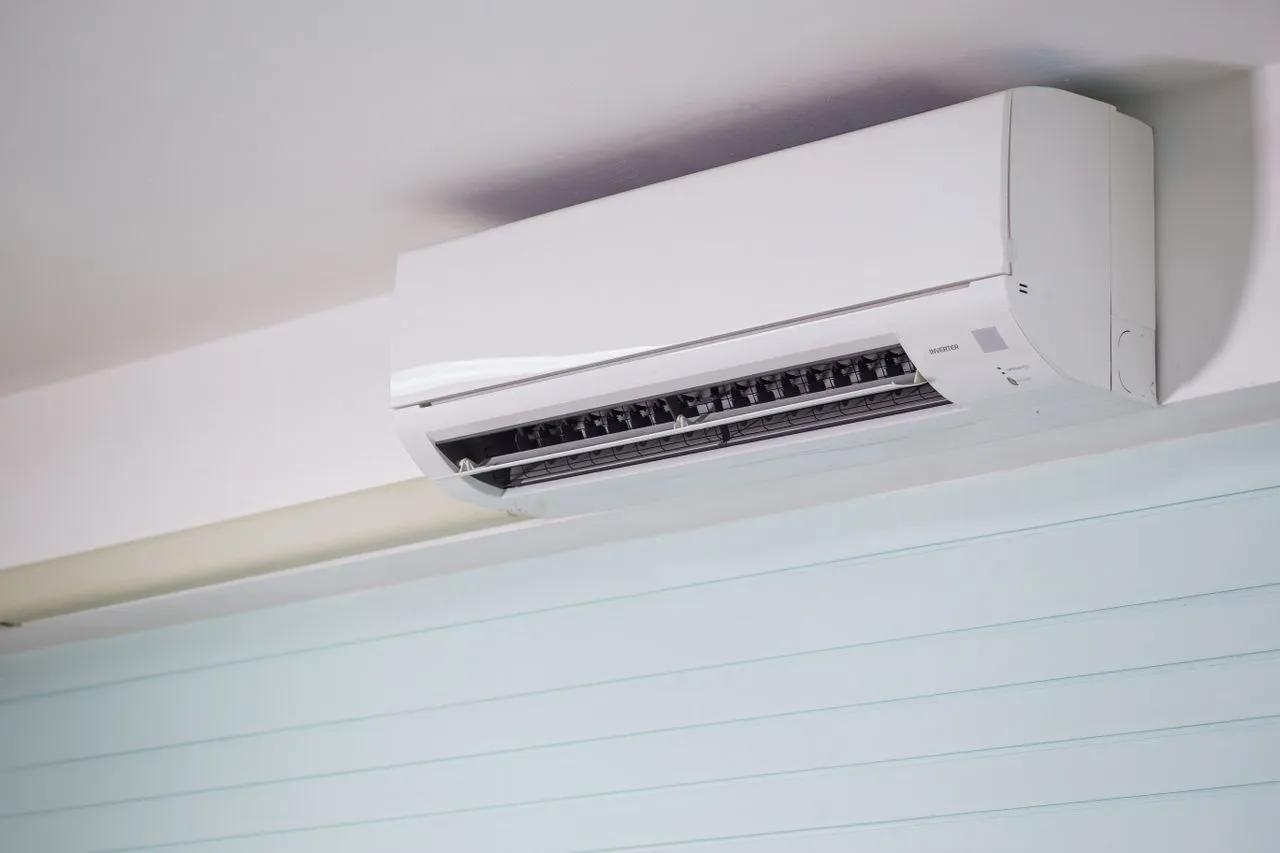
If you live in Tampa, you already know summer heat doesn’t arrive gently. It settles into your walls, your attic, and even the rooms that seem fine in spring. A lot of homes look comfortable on the surface but struggle once humidity and long hot afternoons take over. If you want your house to stay cooler without overworking your system, it helps to prepare before the first major heat wave shows up.
Start by finding the rooms that heat up first
Before you spend money, pay attention to where your home loses comfort. The hottest room usually tells you a lot. It may be a west-facing bedroom, a second floor office, or a living room with older windows that pull in radiant heat all afternoon.
Walk through your house around 3 to 6 p.m. and notice where the temperature feels different. If one area is always stuffy, the problem may involve duct leakage, weak airflow, poor insulation, or solar heat gain rather than a failing thermostat.
You can also check vents with a simple airflow test using your hand or a tissue. Weak output from one register compared to others often points to a balancing issue. Heat resilience starts with diagnosis, not guesswork. That approach saves you from replacing equipment when the real issue sits behind a wall or above the ceiling.
Give your AC system a realistic workload
Many homeowners judge cooling performance by one question: does cold air come out? That’s too basic. Your system may still produce cool air while struggling with airflow restrictions, dirty coils, refrigerant issues, or poor maintenance. Those problems become obvious once summer demand peaks.
Replace clogged filters on schedule and keep supply and return vents clear of furniture, rugs, and dust buildup. Then pay attention to cycle behavior. If your system runs for very long periods without reaching set temperature, something needs attention.
Working with a local AC company in Tampa can help you evaluate whether your unit is properly sized, your airflow is balanced, and your components are ready for heavy seasonal use. In a climate where cooling is not optional, preventative service often protects both comfort and equipment lifespan.
Seal the hidden gaps that let cooled air escape
A surprising amount of conditioned air disappears through small gaps. You may not notice them day to day, but your AC definitely does. Common trouble spots include attic hatches, recessed lighting, plumbing penetrations, weatherstripping around exterior doors, and window frames that have dried or cracked over time.
Use caulk for stationary gaps and weatherstripping for anything that moves. If your home has a garage entry door, inspect it closely. That door often leaks more than people expect, especially during humid months when materials expand and contract.
Air sealing matters because your cooling system is designed around a certain load calculation. Once outside air keeps sneaking in, your system has to handle more latent load from moisture and more sensible load from heat. That means longer run cycles, higher utility bills, and rooms that never quite feel stable.
Treat your attic like part of the cooling system
A hot attic can quietly sabotage the rest of your home. In Florida, attic temperatures can climb well above the outdoor air temperature, and that heat radiates downward into living spaces. If your insulation is thin, uneven, or compressed, your house feels the effect long before your thermostat catches up.
Check whether insulation fully covers the attic floor without major gaps. If you can see joists clearly across large sections, you may need more coverage. Ventilation also matters. Soffit vents and ridge or static vents help move trapped heat out instead of letting it build all day.
Ductwork in the attic deserves special attention too. If your ducts have leaks or damaged insulation, you lose cooled air before it even reaches your rooms. A well-insulated attic with properly sealed ducts often improves comfort faster than homeowners expect.
Use window strategy, not just window coverings
Curtains help, but window management works better when you think beyond décor. East- and west-facing glass brings in intense heat during the hours when your AC is already under pressure. If you leave those windows uncovered through the hottest part of the day, your system has to offset a steady stream of solar gain.
Cellular shades, solar screens, and heat-rejecting window film can reduce that burden. Exterior shading is even stronger. Trees, shutters, awnings, and covered porches all limit direct exposure before sunlight reaches the glass.
This is also where daily habits matter. Close blinds before a room starts heating up, not after. Once heat is already trapped indoors, your AC has to remove it. Prevention is easier than recovery. The difference shows up quickly in rooms with large windows or sliding doors that face the strongest sun.
Control indoor humidity before it affects comfort
Heat is only part of the problem. Humidity changes how your home feels, how hard your AC works, and even how clean your air seems. You can have a thermostat set at a reasonable number and still feel sticky if indoor moisture levels stay too high.
That happens when systems are oversized, drainage is compromised, airflow is off, or outside air keeps entering through leaks. Bathrooms, laundry areas, and kitchens can add even more moisture if ventilation is weak.
A simple hygrometer gives you a useful benchmark. Many homes feel best when indoor relative humidity stays around 40 to 60 percent. If levels regularly climb above that, your comfort drops fast. You may also notice musty odors or that damp feeling in sheets, upholstery, and closets. Managing humidity well can make your home feel cooler without lowering the thermostat.
Build a summer routine that reduces strain every day
Heat resilience isn’t one upgrade. It’s a set of small choices that keep your house from accumulating stress. Use exhaust fans when showering or cooking. Run heat-producing appliances like dryers and ovens later in the evening. Keep interior doors open if that improves circulation, especially in rooms that tend to trap warm air.
Ceiling fans help too, but only when you’re in the room. They cool people, not the air itself. Set fan direction correctly for summer so air pushes downward. That creates the wind-chill effect you actually feel.
It also helps to check your outdoor condenser. Keep plants, debris, and stored items away from it so airflow stays unrestricted. A system that can reject heat efficiently outdoors has a much better chance of keeping up indoors.
Think beyond emergencies and plan for long-term comfort
Most people wait until something breaks. That’s usually the most expensive moment to make decisions. If your home already shows signs of uneven cooling, high humidity, rising energy use, or constant thermostat adjustments, treat those as early warnings instead of minor annoyances.
A more heat-resilient home feels steady, not fragile. Rooms stay usable through the afternoon. The AC reaches set temperature without sounding stressed. Utility bills make more sense. You spend less time tweaking settings and more time actually feeling comfortable.
That kind of stability comes from preparation, not luck. If you inspect weak points now, improve insulation and airflow, and make sure your cooling system is truly ready, your home has a much better chance of handling the long Tampa summer without turning every hot day into a mechanical test.