

Source image : unsplash
When summer reaches its peak, your home can quickly transform from a comfortable haven into a place that feels hot and exhausting. According to PBS News, the heat in March 2026 was so extraordinary that it led to the hottest month recorded in the continental United States in 132 years. Looking ahead, it appears that the coming year could see even more of this global warming trend.
When temperatures increase sharply, you might find your rooms heating up unevenly, and your energy bills soaring higher than you anticipated. However, preparing your home in advance enables you to stay cool, comfortable, and in control, even during the most intense heat waves.
With a few clever tweaks, you can minimize indoor heat buildup and create a more enjoyable living space. This article highlights strategies to help you equip your home for the peak summer heat.
Block the Sun
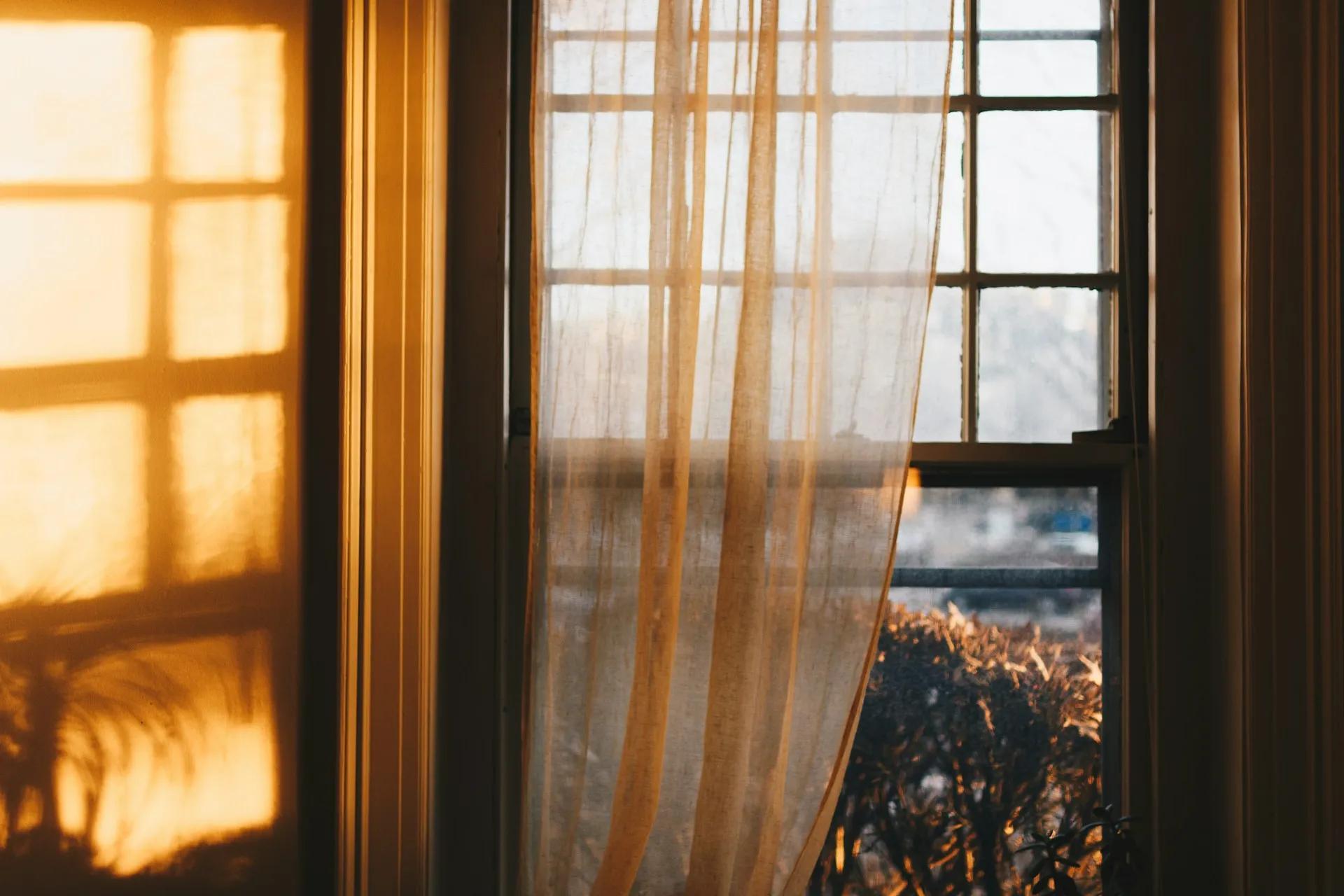
The easiest way to keep your home cool during the scorching summer days is to block the sun before it has a chance to heat your rooms. You can target the windows that catch direct sunlight, especially in the morning and afternoon. Simple solutions, such as light-colored curtains or UV-protective window films, can make a noticeable difference in keeping your space cooler with minimal effort.
As Lifehacker points out, you can apply a reflective coating to your roof to keep excessive heat at bay. White is the best color for this job. With a white roof, it is possible to reflect around 80% of the sun’s rays, which helps keep the roof about 50°F cooler. It helps in reducing the amount of heat that seeps into your home’s interior.
During the sweltering hours, close the curtains and limit how often you open doors. Only ventilate when cooler, such as in the early morning or late evening. Incorporating indoor plants and using natural airflow can also be effective in maintaining a pleasant indoor temperature throughout the day.
Stay on Top of HVAC Maintenance
When the summer heat reaches its peak, staying comfortable is about having your HVAC system in great shape. Regular maintenance is what ensures your cooling system works effectively when the temperatures climb. As clogged filters can impede airflow and put undue pressure on your system, start by inspecting and replacing air filters as needed.
Alongside your regular care routine, get prepared for unexpected breakdowns, especially during extreme heat. Cooling systems can let you down right when you need them the most. That's why having emergency HVAC services on hand is so important. They can offer you quick support and prevent any further damage to your system, keeping your home cool and safe.
According to Lakeside Heating and Cooling, you never know when a heating or cooling emergency might hit, and it can leave you feeling uncomfortable and stressed. Therefore, it is essential to check the daily performance of your HVAC system. Consistently caring for your HVAC system enables you to enjoy better cooling, save on bills, and stay comfortable year-round.
Seal Gaps
Surprisingly, even tiny openings can let in hot air, making it harder for your cooling system to do its job. Pay close attention to places where air leaks frequently occur, such as window frames, door edges, and wall seams. Weatherstripping, caulking, or foam sealant can work wonders to close the gaps, keeping the hot air out and your indoor space much cooler.
According to Homes & Gardens, if cool air is escaping through gaps in your attic, your AC has to work harder, which can drive up your energy bill. Insulating areas of your home where treated air can leak, such as attics, could save an average of 15% on your cooling costs during the summer months.
Once you fill in these pesky gaps, you find that your home stays cooler for longer. Plus, it can boost the overall comfort in your living space. You must inspect the leaks and gaps every season, especially as summer approaches, so your home can stay well-protected from the heat outside.
Consider Window Upgrades
If looking for a lasting way to tackle the sweltering summer heat, consider upgrading your windows. Single-pane windows can let the heat in, making your rooms warmer. You can explore options like double-glazed windows, low-emissivity glass, or heat-reflective coatings. These upgrades can help keep the heat out while still allowing natural light to brighten your space.
The U.S. Department of Energy notes that if your windows are still in good condition, taking steps to boost their efficiency could be the most cost-effective way to enhance your home's comfort. There are simple steps you can take to make your current windows more efficient. Consider adding energy-efficient window coverings. Storm windows or panels are also good options.
Insulated curtains or exterior shading add an extra layer of protection. While the upfront cost of these upgrades may seem daunting, the long-term benefits make it worthwhile, especially when scorching summer heat waves hit. You will experience greater comfort, enhanced efficiency, and an increase in your home’s value.
FAQs
What is the ideal indoor temperature in summer?
For those hot summer days, the best indoor temperature is generally between 24°C and 26°C. Aim for a setting that keeps you comfortable without overburdening your air conditioning. You can make slight adjustments based on humidity levels and your personal comfort. But sticking to this range is a great way to ensure a nice balance of comfort, efficiency, and energy savings.
Is it more cost-effective to run your AC continuously or to turn it off and on?
Keeping your AC running at a steady, moderate temperature is more cost-effective than constantly turning it off and on. That constant cycling actually uses more energy to cool your space down again. Instead of shutting it off completely when you are away, try raising the thermostat for better efficiency and overall savings.
How to beat the summer heat naturally at home?
You can naturally beat the summer heat by blocking out sunlight with curtains, enhancing cross-ventilation, and using ceiling or exhaust fans. Remember to stay hydrated and opt for light cotton fabrics when indoors. At night, open the windows to let in the cool air, and be sure to close them during the day. Adding some indoor plants can also help create a cooler atmosphere.
Getting your home ready for the sweltering summer heat doesn’t have to be a hassle. You can create an environment that remains comfortable even when the temperatures soar outside. The secret is to take action early and implement small improvements before the heat becomes overwhelming.
With good planning, you will find that you can enjoy a more pleasant indoor atmosphere, regardless of the heat outside. Furthermore, you make your home more efficient and enjoyable throughout the summer season, year after year.