

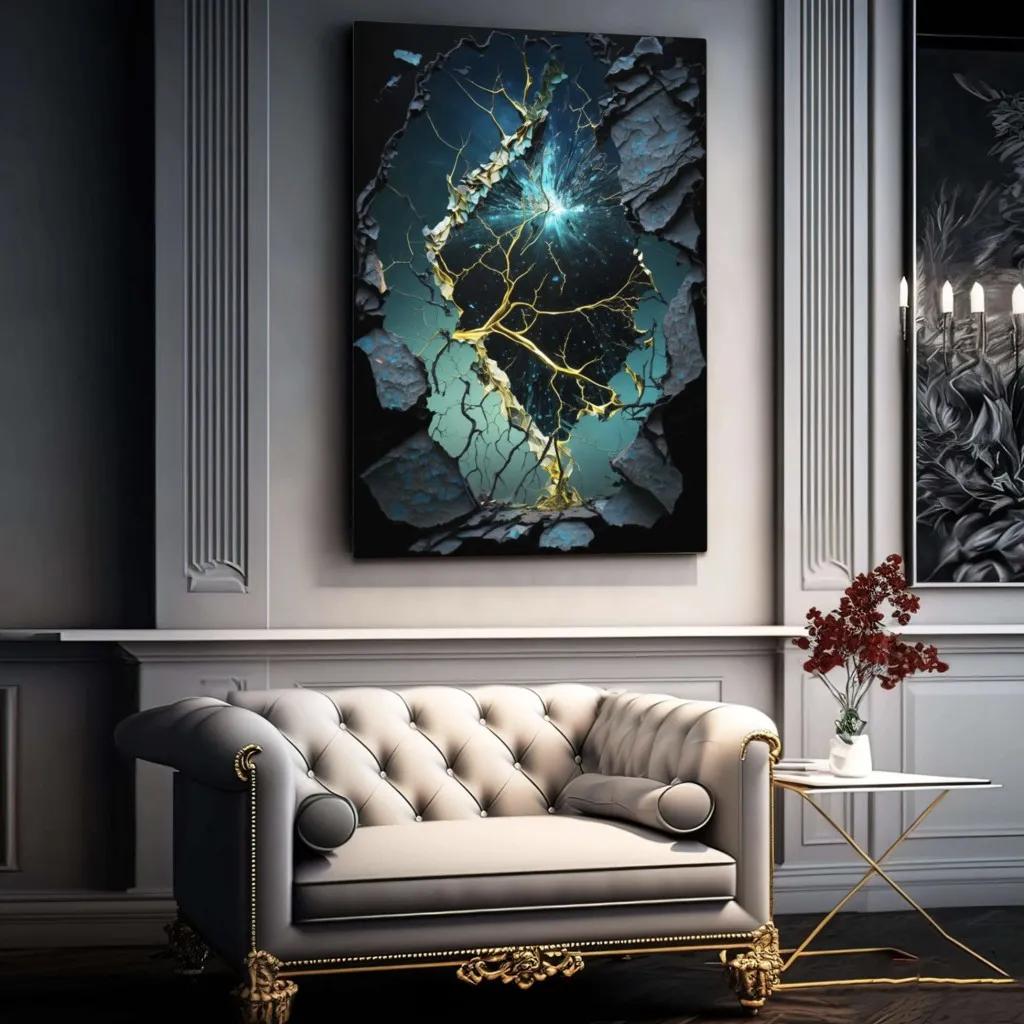
Modern furniture is defined by clean lines, intentional simplicity, and functional elegance. While this style creates calm and sophisticated interiors, it can sometimes feel incomplete without the right visual elements to add personality and warmth. Artwork plays a crucial role in balancing modern spaces, transforming minimal environments into expressive and inviting homes.
Selecting art that complements modern furniture is not about strict matching or following rigid rules. Instead, it involves understanding harmony, contrast, scale, and emotional tone. When chosen thoughtfully, art enhances contemporary interiors without disrupting their refined simplicity.
If you’re exploring contemporary pieces designed specifically to complement modern interiors, browsing curated collections such as those available at Musa Art Gallery® can provide inspiration and help you visualize how thoughtfully chosen artwork can complete a modern living space. The right piece doesn’t just decorate a room — it defines it.
Understand the Principles of Modern Design
Before choosing artwork, it helps to recognize what makes modern furniture distinctive. Modern interiors typically emphasize minimalism, neutral palettes, geometric shapes, and uncluttered layouts. Materials such as metal, glass, wood, and matte finishes often dominate the space.
Because modern furniture avoids excessive ornamentation, artwork becomes one of the primary sources of character. The right piece introduces depth and visual interest while maintaining the clean aesthetic that defines contemporary design.
Rather than competing with furniture, artwork should extend its visual language.
Focus on Simplicity and Strong Composition
Modern interiors benefit from artwork that feels intentional and uncluttered. Pieces with clear composition, balanced forms, and thoughtful negative space tend to integrate seamlessly into contemporary environments.
Abstract art, minimalist compositions, and modern photography often work well because they echo the simplicity already present in modern furniture. Busy or overly detailed artwork can sometimes clash with clean-lined interiors, creating visual tension that feels accidental rather than designed.
Simplicity does not mean boring; it means clarity. A strong focal point within the artwork allows the room to remain calm while still visually engaging.
Use Contrast to Add Sophistication
Matching everything perfectly can make a space feel flat. Designers often introduce contrast to create depth and interest.
For example, soft organic artwork can balance sharp architectural furniture, while textured or painterly pieces can warm up sleek surfaces like leather or metal. The goal is complementary contrast — artwork that adds dimension without breaking harmony.
A minimalist sofa paired with expressive abstract art often creates a more dynamic and refined interior than perfectly matched styles.
Choose the Right Color Relationship
Color coordination is essential when pairing art with modern furniture, but subtlety is key. Instead of choosing artwork that exactly matches your décor, select pieces that include complementary tones or accents already present in the room.
Neutral interiors benefit from artwork that introduces controlled color variation. A monochrome room, for example, may come alive with artwork featuring muted blues, warm earth tones, or soft contrasts that maintain sophistication.
Repeating colors lightly throughout the room — through cushions, rugs, or decorative objects — helps the artwork feel integrated without overpowering the minimalist aesthetic.
Prioritize Scale and Proportion
Scale is one of the most important factors in modern interiors. Because contemporary spaces often feature open layouts and larger walls, small artwork can appear lost or insignificant.
Oversized or large-format pieces are particularly effective with modern furniture. A single large canvas above a sofa or console table creates confidence and visual balance while maintaining simplicity. Large artwork reduces the need for multiple decorative elements, helping preserve the uncluttered look that modern design values.
As a general guideline, artwork should span approximately two-thirds of the furniture width beneath it to achieve proper proportion.
Consider Texture and Material
Modern furniture frequently incorporates smooth surfaces, which means artwork can introduce texture to balance the environment. Canvas art with subtle depth, layered abstract compositions, or matte finishes add warmth without visual chaos.
Texture enhances perception without adding physical clutter. It creates interest that changes depending on lighting and viewing distance, making the space feel more dynamic while remaining minimalist.
Material harmony also matters. Matte artwork often pairs beautifully with contemporary furniture finishes, reinforcing a refined and cohesive appearance.
Placement and Spacing Matter
Even the perfect artwork can lose its impact if placed incorrectly. Modern interiors rely heavily on alignment and spacing to maintain visual clarity.
Artwork should typically hang at eye level and align with furniture edges whenever possible. Maintaining generous spacing around the piece allows it to stand out while preserving the open feeling characteristic of modern spaces.
Avoid overcrowding walls with multiple decorative elements. Modern design thrives on restraint, allowing each piece to have purpose and presence.
Let Artwork Define the Mood
Modern furniture often provides structure, while artwork provides emotion. Consider the atmosphere you want the room to convey.
Soft abstract pieces create calm and relaxation, ideal for bedrooms or quiet living spaces. Bold geometric art can energize social areas. Monochrome or minimalist artwork reinforces serenity and sophistication.
When art defines mood, the furniture naturally supports the emotional tone rather than carrying the entire design burden.
Invest in Quality Presentation
Presentation strongly influences how artwork interacts with modern furniture. Clean edges, professional stretching, and refined finishes align with the precision associated with contemporary interiors.
Frameless canvases, floating frames, or minimal borders often work well because they maintain visual lightness. High-quality presentation ensures the artwork feels intentional and elevated rather than decorative filler.
Final Thoughts
Selecting art that matches modern furniture is ultimately about balance. The artwork should enhance simplicity, introduce personality, and create visual focus without overwhelming the space. By considering composition, scale, color harmony, and texture, you can transform a modern interior into a cohesive and expressive environment.