

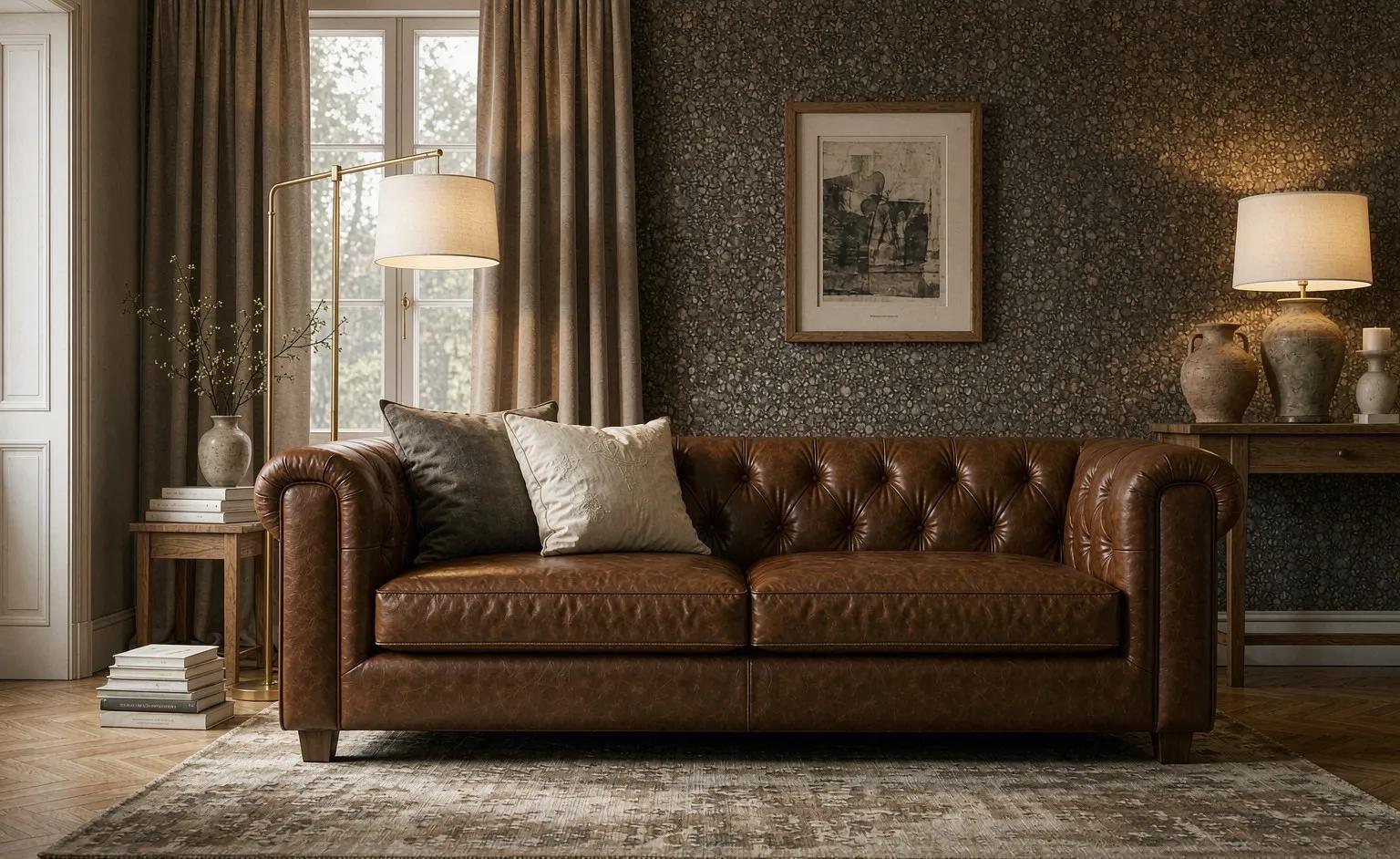
Leather couches range from a ten year companion to a two year regret, and the price tag will not tell you which you are buying. The difference hides in the hide, the frame, and the build, not in the showroom lighting. When you shop for high quality leather couches, learn to read the signs before the money leaves your hand, because the right check takes minutes and saves years.
Real quality shows up in details most shoppers skip in their hurry to sit and leave. A few minutes of checking saves years of disappointment, and the room keeps looking rich the whole time. Start with the surface, then move to what holds it up, because a pretty cover on a weak frame is the fastest way to waste a leather budget you worked hard to save.
Know the leather grade
Full grain leather keeps the top layer of the hide and ages with a lived in patina that collectors love and resale values reward. Top grain is sanded smooth and still strong, and it makes up most quality couches you will actually sit on day after day. Bonded or genuine leather mixes scraps with plastic and peels within a few years of normal use, leaving a cracked surface you cannot fix. Ask the grade by its real name, because vague words like premium or Italian hide hide the weak stuff behind a confident label. The grade decides how the couch looks in year five, not just on delivery day, so read the tag before you trust the showroom light.
Check the frame first
A hardwood frame, corner blocked and glued, holds the leather in shape for a decade of real use and daily weight. Soft pine or stapled joints sag and let the cover wrinkle in the wrong places within a single winter. Turn the couch if you can and look for solid joinery at the corners, because that is where weak builds fail first under a family. The frame is the bones; leather is the skin, and skin always follows bones no matter how pretty. Spend the largest share of the budget here, since no hide can save a sofa that leans by year three. Maple and kiln dried oak lead the field, while particle board should send you straight to the next showroom without a second look at the price.
Feel the cushion build
High density foam with a fiber or down wrap holds the seat without sinking to the frame during a long movie. Press the seat and watch it bounce back; slow recovery means weak foam that will flatten where you sit most often. The cushions take the daily load, so spend on the fill before the color or the stitch that catches the eye. Comfort in month six is the real test, not the soft first sit that fools everyone in the store. A seat that springs back tells you the core is built to last, while one that holds your shape is already on its way out.
Look at the stitching
Even, tight stitching means the cover was cut and sewn with care, and it is the clearest proof of a build that will hold under pressure. Loose or uneven lines signal a rushed job that opens at the stress points first, usually where the back meets the seat. Check those seams, because that is where cheap work fails during daily use and nobody notices until the gap appears. Good stitching reads as a clean, even line you can run a finger along without catching on a stray thread. Double stitched seams at the corners are a clear mark of a couch built to be used, not just photographed for a catalogue.
Smell and temperature
Real leather smells earthy and warms to the touch, while vinyl smells chemical and stays cool no matter how long you hold it in your palm. Run a hand across the surface and trust the sense as much as the label, because a showroom can fake the look but not the feel of a genuine hide. Your hand knows the truth faster than any spec sheet, and the difference is hard to argue once you have felt both side by side. A hide that feels alive under the palm is the one that will age into the room, while a cold, scentless surface is a warning you should not ignore before the sale is final.
Match the color and finish
Aniline top grain shows the most natural grain but stains with the first spill, while pigmented finishes hide more and resist daily wear far better in a busy home. Semi aniline sits between them and is the common pick for a household with kids or pets who live on the couch. Choose the finish for the life the couch will lead, not for the photo you saw online and fell for at a glance. A deep tone hides pet hair and the small marks of living, while a pale one turns every crumb into a project you dread. The color you can live with beats the color you fell for in the store every single time.
Ask about care and warranty
Quality makers back the frame for years and give clear care steps you can actually follow without special tools. A short warranty on a leather piece is a warning you should hear clearly before paying the deposit and signing the order. Condition the hide a few times a year and keep it from harsh sun, and a good couch stays handsome for a long time indeed. The aftercare promise tells you how much they believe in the build once the truck has left the driveway for good. Ask what the warranty covers and for how long, because the answer reveals whether the brand plans to be there when the first seam shows its age.
Place it for daily life
A leather couch earns its keep by fitting the room it lands in, not just the showroom it left behind on the lot. Give it clear floor so the seats open fully and the piece reads as intended rather than crammed against a wall. Keep it out of direct sun, which fades dye faster than any cleaner can fix, and away from heat vents that dry the hide and cause cracks. If pets share the room, pick a protected finish and a corner you can cover with a washable throw. The right spot keeps the leather looking new and lets the couch do its job as the calm center of the space.
Sign | Good vs bad |
Leather | Full or top grain vs bonded |
Frame | Hardwood blocked vs pine |
Cushion | High density, bounces back |
Stitch | Even, tight vs loose |
Warranty | Years, not months |
A high quality leather couch rewards the careful buyer for a decade or more of daily use and calm evenings. Read the leather grade, check the frame, feel the cushion, and trust your hand on the hide before you sign. Even stitching and a real warranty seal the deal before the truck arrives at your door. Spend the few minutes that matter, place it where light and life are kind, and the couch will pay you back every day you sit on it. The right one does not shout for attention; it simply stays handsome while the trends move on without it, and that is the truest mark of a piece worth the money you paid.