

HVAC Services: How to Maintain Comfort, Improve Efficiency, and Protect Your Heating and Cooling System
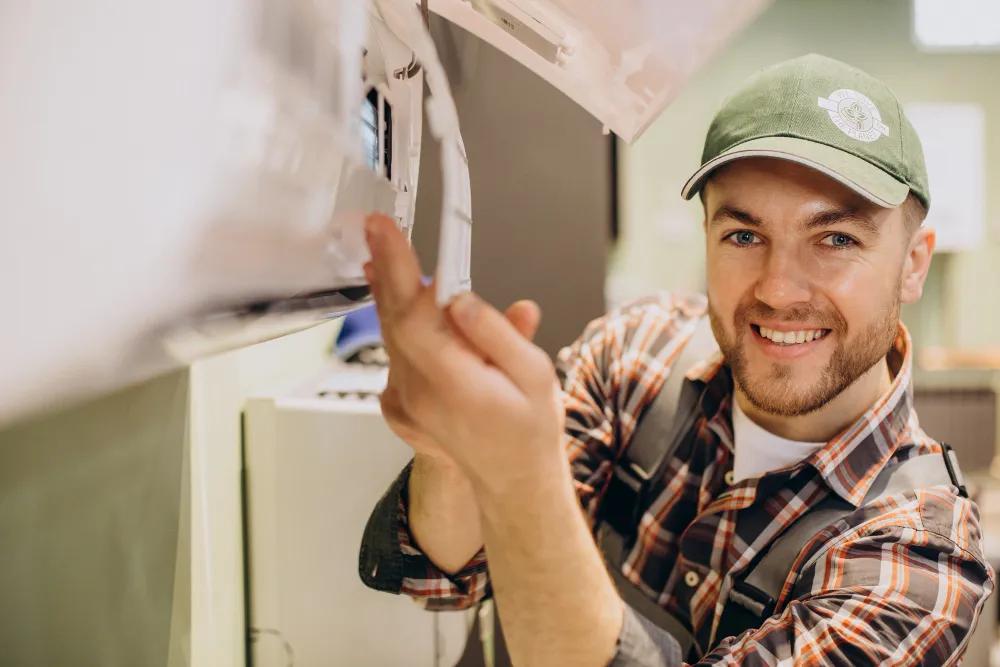
Maintaining a comfortable indoor environment requires a heating and cooling system that performs reliably throughout the year. Whether you need cool air during the summer or dependable heating in the winter, your HVAC equipment plays an essential role in everyday comfort. However, regular use, dust buildup, worn components, and neglected maintenance can affect system performance over time.
Professional HVAC services help homeowners and business owners maintain their equipment, address unexpected problems, and improve overall system efficiency. From routine inspections to complete equipment replacement, understanding your heating and cooling options can help you make informed decisions about your property.
What Are HVAC Services?
HVAC stands for heating, ventilation, and air conditioning. These systems regulate indoor temperatures, circulate air, and help manage humidity to maintain a comfortable environment.
Professional heating and cooling services cover several important areas, including installation, maintenance, repairs, ventilation improvements, and equipment replacement. The specific services required depend on the property's size, existing equipment, climate, and usage patterns.
For example, a homeowner may need an air conditioning repair when the system stops cooling properly. A business owner might require regular maintenance for rooftop HVAC units to reduce unexpected interruptions. Other properties may benefit from improved ventilation or upgraded thermostats.
A qualified HVAC technician evaluates the equipment, identifies performance issues, and recommends solutions suited to the building's requirements. Professional service also helps ensure that equipment is installed and operated according to applicable safety standards and manufacturer instructions.
Signs Your HVAC System Needs Professional Attention
Recognizing early warning signs can help prevent minor HVAC problems from becoming expensive repairs.
One common symptom is inconsistent indoor temperatures. If certain rooms remain warmer or colder than others, the cause could involve restricted airflow, ductwork problems, thermostat placement, or improperly sized equipment.
Unusual sounds can also indicate a developing issue. Grinding, rattling, buzzing, or persistent squealing may point to loose components, motor problems, or other mechanical concerns. A sudden change in operating noise deserves attention, especially when accompanied by reduced performance.
Another warning sign is an unexpected increase in energy bills. If your household's heating and cooling habits have not changed, inefficient equipment, dirty filters, restricted airflow, or faulty components may be contributing to higher consumption.
Weak airflow, frequent system cycling, and unpleasant odors are additional reasons to arrange an inspection.
Scheduling HVAC repair services when these symptoms appear can help identify the underlying problem and determine whether a repair, adjustment, or more extensive service is necessary.
The Importance of Regular HVAC Maintenance
Routine maintenance is one of the most effective ways to support reliable heating and cooling performance. Over time, filters collect dust, outdoor units accumulate debris, and mechanical components experience normal wear.
Professional HVAC maintenance services typically involve inspecting important components, checking electrical connections, evaluating system controls, examining drainage, and testing overall operation. Depending on the equipment, maintenance may also include cleaning specific components and checking refrigerant-related systems.
Homeowners can support these efforts by checking air filters regularly and replacing them according to manufacturer recommendations. Filters may need more frequent replacement in homes with pets, heavy dust, or intensive system use.
Keep indoor vents unobstructed and maintain appropriate clearance around outdoor equipment. Avoid covering outdoor units or allowing leaves and vegetation to restrict airflow.
Annual professional inspections, or maintenance at the intervals recommended for your equipment, can help identify developing problems before peak heating or cooling seasons.
Although maintenance cannot guarantee that a system will never break down, it can reduce avoidable problems and help equipment operate as intended.
Professional Air Conditioning Installation and Repair
Air conditioning becomes especially important during periods of hot weather. When a cooling system struggles to maintain comfortable temperatures, professional diagnosis can help restore performance.
Common cooling problems include insufficient cold air, water around the indoor unit, unusual noises, and systems that turn on and off too frequently. These symptoms can result from dirty filters, drainage blockages, electrical faults, refrigerant problems, or other equipment issues.
A qualified technician can determine the cause and recommend the appropriate repair.
When replacement becomes necessary, air conditioning installation services should begin with an assessment of the property's cooling requirements. Factors such as square footage, insulation, window exposure, occupancy, and local climate influence equipment selection.
Choosing the correct system size is essential. An oversized air conditioner may cycle frequently and struggle with humidity control, while an undersized unit may run excessively without adequately cooling the property.
A professional installation also includes appropriate electrical connections, drainage arrangements, refrigerant handling, and system testing. Correct installation helps support dependable operation and long-term performance.
Heating Services for Year-Round Comfort
Heating equipment requires the same attention as cooling systems, particularly before colder weather arrives. Furnaces, heat pumps, and other heating appliances rely on multiple components working together to distribute warmth throughout a building.
If your heating system produces insufficient heat, makes unusual noises, or struggles to maintain the thermostat setting, professional diagnosis may be necessary.
Heating repair services can address problems involving airflow, thermostats, ignition systems, electrical components, and other equipment parts. Some issues are relatively straightforward, while others require specialized testing.
For gas-fired equipment, professional inspections are especially important because combustion and venting problems can create serious safety risks. Carbon monoxide alarms should be installed and maintained according to manufacturer instructions and applicable safety guidance.
If a carbon monoxide alarm sounds, move everyone outside to fresh air and contact emergency services. Never ignore a suspected combustion or ventilation problem.
Before the heating season begins, consider arranging a maintenance appointment to verify that the system operates safely and efficiently.
Improving Energy Efficiency With HVAC Upgrades
Energy efficiency is an important consideration for homeowners and commercial property managers. An inefficient heating or cooling system can consume unnecessary energy while delivering inconsistent comfort.
One improvement is installing a programmable or smart thermostat. Properly configured controls can adjust temperatures according to occupancy and daily schedules, helping reduce unnecessary heating or cooling.
Ductwork should also receive attention. Leaks, damaged insulation, and restricted airflow can reduce system performance. A technician can inspect accessible ductwork and recommend appropriate improvements.
Improving insulation and sealing air leaks around doors, windows, and other openings can reduce unwanted heat transfer. This helps the HVAC system maintain indoor temperatures without compensating for excessive heat loss or gain.
When replacing older equipment, compare efficiency ratings, operating costs, installation requirements, and warranty coverage. A higher-efficiency model may reduce energy consumption, although actual savings depend on climate, equipment selection, installation quality, and usage.
Professional energy-efficient HVAC solutions should address the building as a whole rather than focusing only on the equipment itself.
Residential and Commercial HVAC Services
Residential and commercial properties have different heating, cooling, and ventilation requirements.
Residential HVAC services generally include household air conditioning, furnace repairs, heat pump installation, thermostat upgrades, and preventive maintenance. The main priorities are usually comfort, reliability, indoor air quality, and manageable operating expenses.
Commercial properties may require larger systems, rooftop equipment, advanced controls, and maintenance plans designed around business hours. Offices, retail stores, warehouses, and restaurants can have different ventilation and temperature requirements.
When choosing a contractor, confirm that the company has experience with your building type and equipment. Commercial systems may require specialized expertise that differs from standard residential service.
A maintenance agreement can be useful for businesses that want scheduled inspections, documented service records, and a more predictable approach to equipment upkeep.
Choosing a Reliable HVAC Contractor
Selecting the right contractor is essential for receiving dependable service and protecting your investment.
Look for relevant experience, appropriate licensing where required, insurance coverage, and clear communication. Ask for a written estimate that explains the recommended work, labor charges, equipment specifications, and potential additional expenses.
Check customer reviews and ask about warranties covering equipment and workmanship. Before approving a major installation, make sure the contractor explains equipment sizing, expected project timelines, and ongoing maintenance requirements.
Avoid choosing a provider solely because of the lowest price. Poor installation or incomplete repairs may create additional costs later.
Conclusion
Reliable HVAC services help maintain indoor comfort, support energy efficiency, and protect heating and cooling equipment throughout the year. Regular maintenance, timely repairs, and properly planned installations can reduce unexpected problems and improve system performance.
Whether you need air conditioning repair, furnace maintenance, ventilation improvements, or a complete equipment upgrade, working with a qualified HVAC professional can help you identify the right solution for your property.
By paying attention to warning signs and investing in preventive care, you can maintain a comfortable indoor environment while making informed decisions about your heating and cooling system.