

Major life events tend to redraw the way a home feels. A space that once worked effortlessly can suddenly feel awkward, loud, too tight, or too demanding. The house hasn’t changed, but the people inside it have. After a new baby arrives, after retirement begins, after a health scare, after loss, after a separation, even after a long-awaited fresh start, comfort starts to matter in a very different way. Renovating at that point is not about chasing trends, but making daily life feel steadier. Rooms begin to serve new purposes. Routines shift. The environment needs to catch up.
In Tampa, daily comfort carries practical weight. Heat, humidity, and frequent rain shape how materials perform and how often certain spaces get used. Showers run more often. Floors deal with moisture. Entryways collect sand and damp shoes. When life shifts in this kind of climate, upgrades that reduce friction and simplify upkeep quickly move from “nice idea” to “necessary adjustment.” Renovations become a way to create relief, not just a visual change.
Reconfiguring the Primary Bathroom
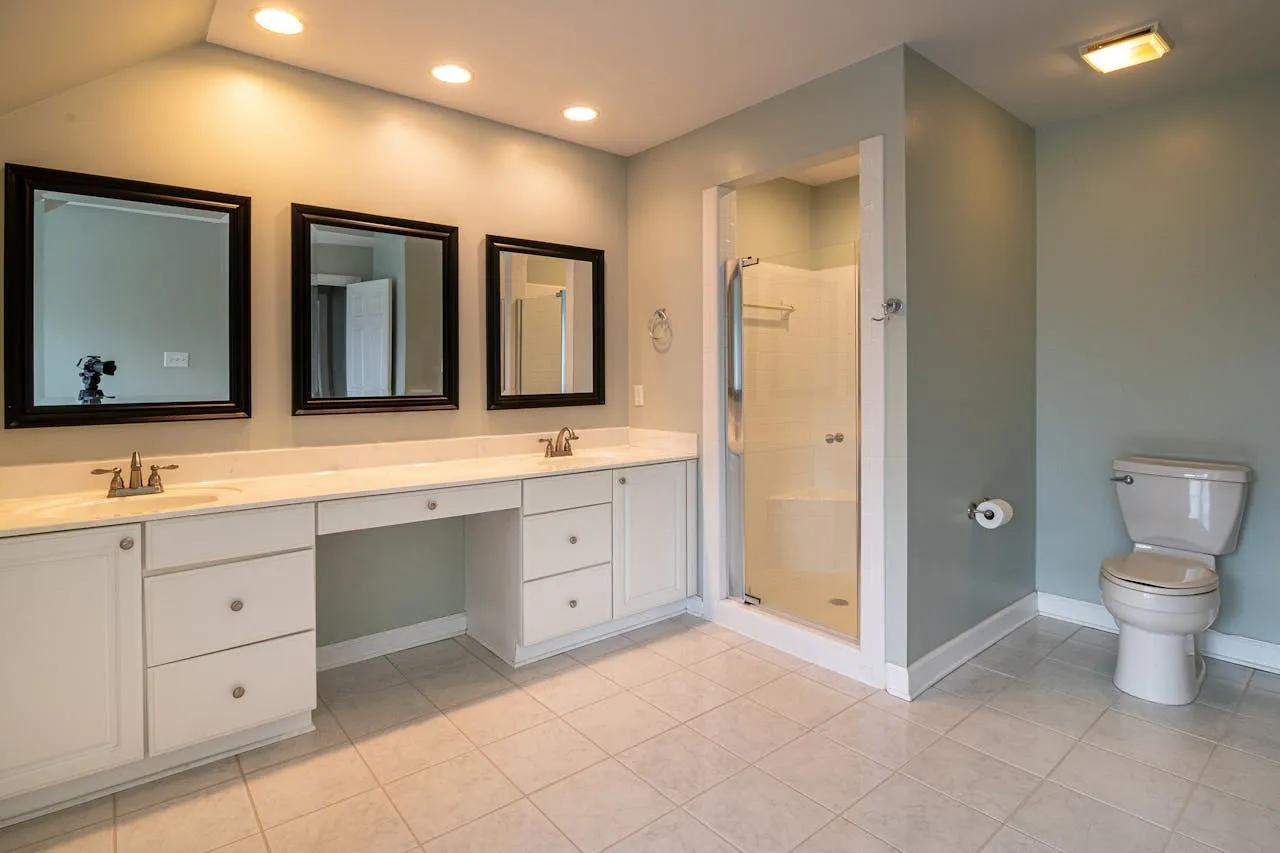
The primary bathroom is often the first place people look. After a major transition, the shower can become the one consistent pause in the day. If the space feels dated, cramped, or difficult to step into, that irritation repeats morning and night. Reconfiguring the layout to create easier entry, better lighting, and improved water flow can reshape the entire experience.
A thoughtful shower replacement sits at the center of that change. Lower thresholds reduce physical strain. Updated fixtures provide reliable pressure. Finishes that resist humidity make cleaning less of a chore. Working with experienced Tampa shower replacement experts brings precision to drainage, waterproofing, and material transitions so the result feels calm and dependable rather than flashy. The bathroom becomes steady ground again.
Strengthening Bedroom Comfort and Quiet
Sleep tends to suffer after big life changes. Anxiety, altered schedules, or new responsibilities creep into the night. Bedrooms that let in street noise or early morning glare add to that strain. Upgrading insulation within walls and ceilings reduces outside disruption.
Layered window treatments create control over light and temperature. The room begins to hold quiet more consistently. This sense of containment makes rest feel possible again. It is not dramatic. It is steady—and steady matters.
Installing Softer, Low-Maintenance Flooring
Flooring often gets overlooked, yet it shapes how a home feels underfoot every single day. Hard surfaces that echo or feel cold can amplify tension, especially in houses where people now spend more time indoors. Replacing worn tile or rigid materials with softer, moisture-tolerant options changes the tone immediately.
Cushioned vinyl planks or engineered wood introduce warmth without adding maintenance headaches. Slip resistance in kitchens and baths supports safety. Cleaning becomes simpler. The house starts to feel supportive rather than demanding.
Expanding Entryways for Smoother Transitions
Entry spaces reveal stress quickly during transitions. A growing family, caregiving responsibilities, or mobility adjustments can turn a narrow doorway into a daily obstacle. Expanding an entry or redesigning a mudroom brings breathing room to the busiest part of the home.
Wider clearances allow easier movement. Built-in storage keeps shoes, bags, and equipment contained. Lighting improves visibility during early mornings and late evenings. This first step inside the house feels organized instead of chaotic.
Simplifying the Kitchen Layout
The kitchen carries emotional weight during major life events. It is where routines anchor. Retirement means more meals at home. A new child changes storage needs. Recovery periods require easier access to appliances and prep areas. A layout that once felt efficient can begin to feel exhausting. Simplifying the kitchen’s flow brings relief.
Relocating appliances closer together, lowering frequently used storage, widening prep surfaces, and introducing seating at the island for conversation reshape how the room functions. The kitchen stops being a maze and becomes a gathering point again.
Retrofitting the Staircase for Safer Movement
Staircases often go unnoticed until mobility becomes a concern. After an injury, during aging, or while supporting a recovering family member, stairs can suddenly feel steep and unforgiving. Narrow railings, dim lighting, or slick treads add unnecessary strain. Retrofitting the staircase brings attention to those overlooked details. Installing secure, well-anchored handrails on both sides increases confidence with every step. Improving tread visibility through subtle lighting reduces hesitation at night.
The goal is not to make the staircase look clinical. Thoughtful upgrades can integrate seamlessly with the home’s style while offering real support. Textured tread surfaces provide better grip. Strategic lighting under each step or along the wall enhances depth perception.
Upgrading the Kitchen Island for Connection
During life transitions, the kitchen often becomes the emotional center of the house. Conversations happen there. Decisions are made there. Support shows up there. Expanding or upgrading the island can strengthen that role. Adding comfortable seating allows family members to gather without crowding cooking zones. Increasing surface area creates room for shared tasks, whether it is homework, meal prep, or simply sitting together.
The island shifts from a prep station to a shared platform. Storage integrated beneath seating keeps clutter out of sight. Power outlets placed thoughtfully allow laptops or small appliances to function without cords stretching across walkways. The space supports interaction without feeling cramped.
Renovating Spare Bathrooms for Accessibility
Spare bathrooms often serve guests or extended family, but after major life changes, they can take on new importance. Aging parents visiting for longer stays, adult children returning home, or temporary caregiving arrangements require layouts that feel manageable. Narrow doorways, standard-height tubs, and limited maneuvering space can quickly become obstacles.
Renovating a secondary bathroom to improve accessibility creates flexibility. Walk-in shower designs, strategically placed grab bars, and widened entry clearance make the space functional without sacrificing style. Non-slip flooring and improved lighting enhance safety.
Designing a Dedicated Hobby or Creative Room
Major life events often spark reflection about how time is spent. Retirement may open space for long-postponed creative interests. Personal loss might create a need for therapeutic expression. Career changes can uncover new passions. Converting an underused room into a hobby or creative space gives that energy a place to land.
A thoughtfully designed creative room supports focus and inspiration. Adequate storage keeps materials organized. Proper lighting reduces strain during detailed work. Sound control allows immersion without disruption. Instead of letting spare rooms collect storage overflow, the home begins to nurture personal growth.
Major life events leave an imprint on how a home feels. Spaces that once fit perfectly can start to feel misaligned with new routines, new responsibilities, or new priorities. Comfort-driven renovations respond to that shift in a practical way.