

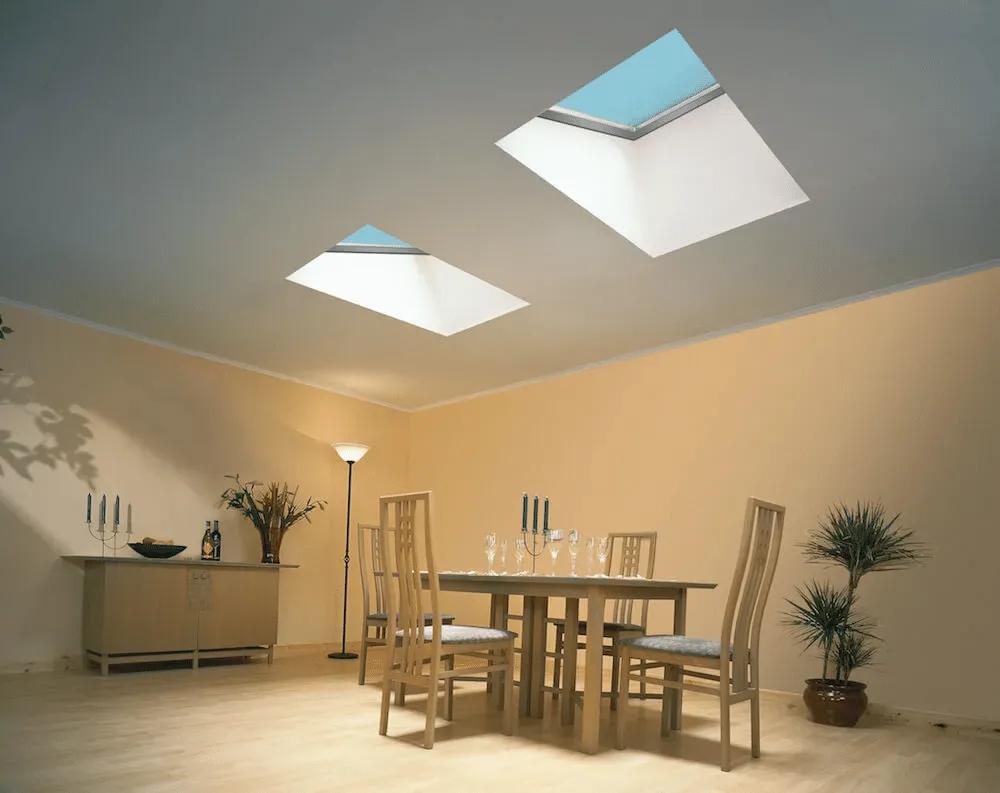
Melbourne's older housing stock, particularly weatherboard and brick veneer homes built well before open-plan living became the norm, often has rooms that never see direct sunlight. Hallways, bathrooms and the centre of larger extensions are common culprits. Professional skylight installation Melbourne homeowners are increasingly choosing is one of the more effective ways to fix this without a full structural renovation.
If you're weighing up whether a skylight is worth the investment, here's what actually matters before you commit.
The Difference Natural Light Actually Makes
It's easy to underestimate how much a dark room affects the way a house feels day to day. Rooms lit only by artificial light tend to feel smaller and less inviting, no matter how well they're decorated. A well-placed skylight floods a space with genuine daylight, which changes how a room reads at almost every hour, and often reduces daytime reliance on electric lighting altogether.
This is particularly noticeable in kitchens and bathrooms, where good light matters both functionally and for resale appeal. Buyers consistently respond well to bright, naturally lit spaces, and a skylight is often a far more cost-effective way to achieve that than moving walls or adding windows where none previously existed.
Fixed vs Ventilating Skylights
Not every skylight serves the same purpose. Fixed skylights are purely about light, sealed permanently and generally the more affordable option. Ventilating skylights open, either manually or via a remote-controlled motor, and are particularly well suited to bathrooms, kitchens and laundries where extra airflow helps manage moisture and reduce mould risk. The right choice depends heavily on the room and what problem you're actually trying to solve.
Tubular Skylights for Tight Spaces
For smaller rooms or spaces without a straightforward path to the roof, tubular skylights are worth considering. These use a reflective tube to channel daylight from the roof down into the room below, and they work well in hallways, walk-in robes, and small bathrooms where a full-sized skylight isn't practical.
Dark hallways or landings: tubular skylights for efficient, low-profile light without major structural work.
Bathrooms and ensuites: ventilating skylights to manage both light and moisture.
Kitchens and living areas: larger fixed skylights for maximum daylight impact.
North-facing roof sections: typically deliver the strongest, most consistent light year-round.
What Affects the Cost and Timeline
Installation cost depends heavily on roof type, ceiling height, and how straightforward the path is between the roof and the room below. A single-storey home with a simple pitched roof is generally the most cost-effective scenario, while multi-storey homes or complex roof structures can require more extensive framing work. Most straightforward installations are completed within a day, though ventilating and larger custom skylights can take longer.
Energy Efficiency Considerations Are Worth Understanding
Modern skylights are a long way from the single-glazed, heat-losing units of decades past. Double-glazed units with low-E coatings manage heat transfer far more effectively, which matters in Melbourne given how much the temperature can swing across a single day. Choosing a well-rated, energy-efficient skylight avoids the old complaint of a beautifully lit room that turns into a heat trap in summer or a cold spot in winter, and it's worth specifically asking an installer about the glazing specification rather than assuming all skylights perform similarly.
Placement also affects performance as much as glazing does. A skylight positioned to catch harsh late-afternoon summer sun without any shading or diffusion can make a room uncomfortably hot, while the same unit positioned to capture soft, consistent northern light tends to perform far better year-round. An experienced installer will factor in your roof's orientation and pitch when recommending placement, not just where it's structurally easiest to cut in, and a brief site assessment before any quote is a good sign they're taking this seriously.
Blinds and Diffusers for Extra Control
For rooms particularly sensitive to heat or glare, an integrated blind or diffuser adds a useful layer of control that a fixed skylight alone doesn't offer. Motorised skylight blinds, in particular, let you dial back harsh midday summer light while still keeping the room bright, and they've become a popular add-on for bedrooms and living spaces where a fully open skylight would otherwise let in too much light on long summer evenings.
Final Thoughts
For Melbourne homes with persistently dark rooms, skylight installation is one of the more reliable renovation projects in terms of visible, everyday impact relative to cost. Getting the right type, size and placement for each specific room, ideally with advice from an experienced local installer, makes the difference between a skylight that transforms a space and one that underwhelms. A short on-site consultation is usually enough to identify the best option for your roof and budget.
Skylight wells, the internal shaft connecting the roof opening to the ceiling below, also affect the final result more than people expect. A straight well delivers the most direct light but requires the roof and ceiling penetrations to align closely, while a splayed well, angled wider at the ceiling than the roof, spreads light across a larger area of the room and suits situations where the ideal roof position doesn't sit directly above where you want the light to land.
Cost aside, timing is another practical factor worth planning around. Booking a skylight installation during Melbourne's drier months, generally late spring through early autumn, reduces the chance of weather delays once the roof is opened up for the cut-in. A good installer will also seal the opening properly with flashing designed for local conditions, since a poorly flashed skylight is one of the few things that can turn a great addition to your home into a source of leaks during a heavy Melbourne downpour.