

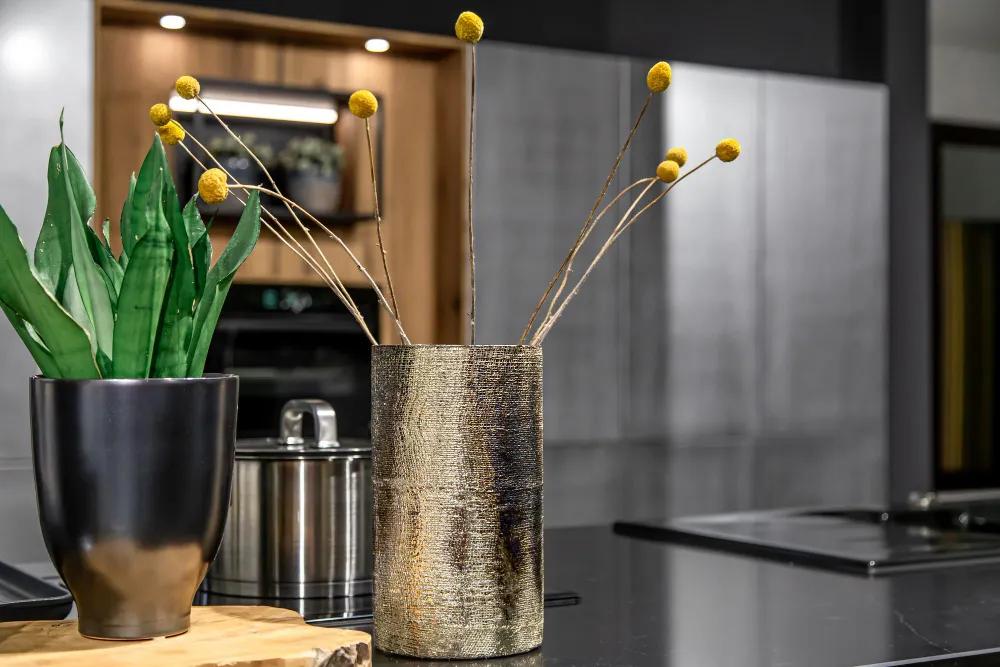
Image source: freepik
Luxury kitchen design has become one of the most desirable elements in modern homes. Today’s kitchens are no longer just places for cooking. They function as central living spaces where people prepare meals, entertain guests, and spend time with family.
A luxury kitchen combines premium materials, innovative appliances, and carefully planned layouts to create a space that is both elegant and highly functional. Built-in appliances, bespoke cabinetry, and statement lighting all play an important role in shaping the design. Each element contributes to a kitchen that feels sophisticated, organised, and well-suited to modern living.
In this guide, we explore the key features that define luxury kitchen design and what homeowners should consider when planning a high-end kitchen.
Seamless Built-In Appliances in Luxury Kitchens
Built-in kitchen appliances are a hallmark of modern luxury kitchen design. Rather than interrupting the visual flow of the room, appliances are built directly into cabinetry to maintain a clean, cohesive aesthetic.
High-end kitchens typically include:
Built-in ovens
Induction cooktops
Built-in dishwashers
Concealed refrigerators
Smart kitchen technology
Wine storage has also become a popular feature in luxury homes, particularly for homeowners who enjoy entertaining. Built-in wine coolers allow bottles to be stored at the ideal temperature while preserving the sleek design of the kitchen.
Many designers rely on specialist suppliers when choosing wine refrigeration solutions. Companies such as Elite Wine Refrigeration provide high-quality wine storage systems designed to fit seamlessly into contemporary kitchen layouts.
Premium Materials and High-End Finishes
One of the defining elements of a luxury kitchen is the use of premium materials. High-quality surfaces not only elevate the appearance of the kitchen but also provide long-term durability.
Popular materials in luxury kitchens include:
Natural stone countertops such as granite or marble
Quartz worktops for durability and elegance
Marble or stone backsplashes
Solid wood or bespoke cabinetry
Custom cabinetry plays a major role in achieving a high-end aesthetic. Bespoke cabinets allow homeowners to tailor storage solutions while maintaining a polished, seamless look.
Many luxury kitchens incorporate features such as:
Soft-close drawers and doors
Handleless cabinetry for a modern finish
Minimalist hardware and clean lines
Designers often combine textures such as wood, stone, brushed metals, and matte finishes to add depth and visual interest while maintaining a balanced and sophisticated look.
Thoughtful Luxury Kitchen Layout
A successful luxury kitchen design begins with a well-planned layout. Designers focus on functionality, flow, and ease of movement to ensure the space works efficiently for cooking, entertaining, and daily activities.
One of the most common principles used in kitchen design is the work triangle, which positions the sink, cooktop, and refrigerator in a way that minimises unnecessary movement.
Large kitchen islands are another key feature in many luxury kitchens. They provide:
Additional preparation space
Casual dining areas
Extra storage
A social gathering point for guests and family
Open-plan kitchen layouts are also increasingly popular. Connecting the kitchen with dining and living areas creates a more sociable environment where cooking becomes part of everyday interaction.
Statement Lighting for Luxury Kitchens
Lighting is an essential element in high-end kitchen design. Well-planned lighting enhances both functionality and visual appeal.
Luxury kitchens typically use a layered lighting approach, which includes:
Task Lighting
Task lighting improves visibility during cooking and food preparation. Under-cabinet lighting is a common example.
Ambient Lighting
Ambient lighting provides overall illumination for the entire space, creating a comfortable atmosphere.
Accent Lighting
Accent lighting highlights architectural features such as shelving, cabinetry, or textured walls.
Pendant lights above kitchen islands are a particularly popular design feature. These statement fixtures add both practical lighting and a decorative focal point to the space.
Intelligent Storage Solutions
Organisation is a key element of luxury kitchen design. Smart storage solutions allow homeowners to maintain a clean and uncluttered environment while keeping everyday items easily accessible.
Instead of relying solely on traditional cupboards, luxury kitchens often incorporate:
Pull-out pantry systems
Deep drawers for cookware
Hidden appliance garages
Built-in spice racks
Corner storage systems
These solutions maximise space while keeping countertops clear and visually appealing.
Wine storage has also become an increasingly popular feature. Built-in refrigeration units allow homeowners to store wine properly without sacrificing valuable kitchen space.
Luxury Kitchens Designed for Entertaining
Modern luxury kitchens are often designed with entertaining in mind. The kitchen has evolved into a social space where guests can gather while meals are being prepared.
Features that support entertaining include:
Large kitchen islands with seating
Beverage stations or coffee bars
Built-in wine storage
Open shelving for display
These elements transform the kitchen from a purely functional space into a welcoming environment where people can relax, share meals, and socialise.
Personalised Luxury Kitchen Style
One of the greatest advantages of luxury kitchen design is the ability to personalise every element.
Homeowners can customise layouts, finishes, and appliances to reflect their lifestyle and aesthetic preferences.
Some kitchens focus on sleek, contemporary minimalism with neutral colours and handleless cabinets. Others incorporate natural materials such as wood and stone to create a warmer, more inviting atmosphere.
Bespoke cabinetry, statement lighting, and custom finishes allow each luxury kitchen to feel unique while complementing the overall architecture of the home.
Looking To Upgrade Your Kitchen Design?
A luxury kitchen design combines thoughtful planning, premium materials, and high-performance appliances to create a space that is both elegant and practical. Built-in appliances, bespoke cabinetry, and smart storage solutions help maintain a seamless and organised environment.
Lighting, layout, and personalised features further enhance the experience, turning the kitchen into one of the most important rooms in the home. When these elements come together successfully, the result is a kitchen that supports everyday living while also providing the perfect setting for entertaining and socialising.
FAQs About Luxury Kitchen Design
What defines a luxury kitchen?
A luxury kitchen typically includes premium materials, bespoke cabinetry, high-end appliances, and a carefully planned layout. The design focuses on combining aesthetics with functionality to create a space that is both stylish and practical.
Are Built-in appliances essential in luxury kitchens?
Built-in appliances, such as wine fridges, help maintain an aesthetic kitchen design. They allow appliances to blend into cabinetry, creating a clean and modern appearance while still offering advanced functionality.
Why are wine coolers popular in luxury kitchens?
Wine coolers allow homeowners to store wine at the correct temperature while saving space. Built-in models integrate neatly into cabinetry, making them a popular feature in high-end kitchen designs.
How does lighting affect luxury kitchen design?
Lighting enhances both usability and visual appeal. A layered lighting approach that includes task, ambient, and accent lighting helps create a kitchen that is functional while highlighting key design features.