

Local Regulations on Pest Control in Houston Texas: Essential Guide for Homeowners
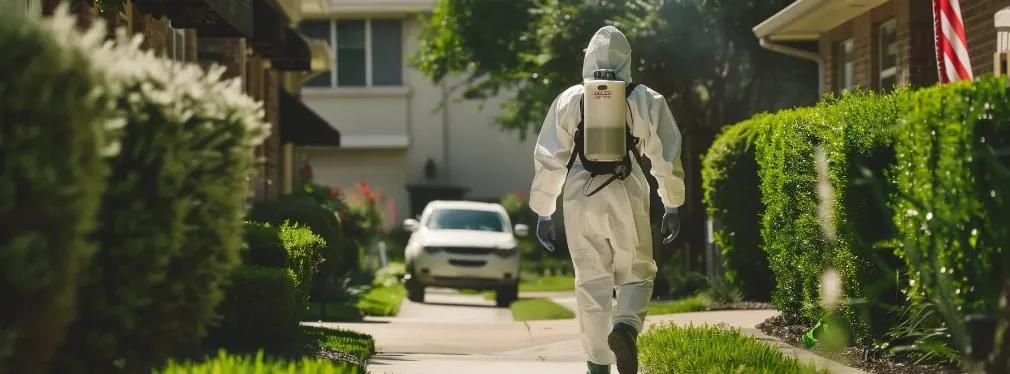
Understanding local regulations on pest control is crucial for homeowners in Houston, Texas. Compliance not only ensures legal adherence but also protects the environment and promotes safe practices. This guide will explore key aspects of pest control regulations, including licensing requirements, pesticide restrictions, and best practices for compliance. By gaining insight into these areas, homeowners can effectively manage pest issues within the legal framework and maintain a healthy living space.
Local Regulations Governing Pest Control in Houston Texas
Houston's pest control regulations are designed to safeguard public health and the environment. Homeowners must be aware of the specific ordinances that dictate how pest control activities should be conducted. The city mandates that pest control operations adhere to guidelines set by the Texas Department of Agriculture, which oversees the use of pesticides and application methods. These regulations include ensuring that all pest control measures are conducted safely and responsibly, minimizing harm to non-target species and reducing environmental impact. Compliance Audit Trail is a key tool that helps homeowners track their adherence to these regulations, ensuring that all actions taken are well-documented and traceable.
Moreover, homeowners should consider Pest Control in Houston Texas further regulated by local ordinances that may change periodically. It is advisable for homeowners to participate in Stakeholder Engagement Assessment sessions, which are often held to discuss new regulatory updates and community concerns. These sessions provide valuable insights and allow homeowners to voice their opinions and seek clarifications on pest control practices.
Additionally, homeowners should keep abreast of the latest Benchmarking Report findings, which offer comparative analyses of pest control effectiveness and regulatory compliance across different neighborhoods. These reports can guide homeowners in choosing the most efficient and compliant pest control methods.
Key Pest Control Licensing Requirements for Homeowners
For homeowners intending to handle pest control on their own, understanding licensing requirements is essential. The Texas Department of Agriculture requires that individuals applying pesticides on their property maintain a private applicator license. This ensures that homeowners are knowledgeable about safe application techniques and the potential risks associated with pesticide use. A Risk Assessment Matrix can be a useful tool for evaluating the potential hazards involved in pest control activities and determining the appropriate level of precaution.
Completing the Lean Six Sigma Certification can further enhance a homeowner's ability to manage pest control efficiently. This certification provides training in process improvement techniques, allowing homeowners to implement pest control measures that are both effective and compliant with local regulations.
Homeowners should also consider engaging an Agile Coach to facilitate the training and certification process. These coaches help streamline learning efforts and ensure that homeowners are well-prepared to meet Houston's pest control licensing requirements.
Permitted and Restricted Pesticides in Houston
Houston has specific regulations regarding the types of pesticides that can be used within city limits. Permitted pesticides are those that pose minimal risk to humans, pets, and the environment, while restricted pesticides require special authorization due to their potential hazards. Homeowners can refer to the Regulatory Submission Dossier for detailed information on which pesticides are approved for use and which require additional permits.
It is important for homeowners to conduct a thorough Value Stream Mapping of their pest control practices. This involves analyzing each step of the process to identify areas where safer, more effective pesticides can be used without violating local regulations. Doing so not only improves pest control outcomes but also ensures compliance with city ordinances.
Additionally, homeowners should perform a Net Promoter Score (NPS) Calculation to assess the satisfaction levels of their pest control efforts. High NPS scores often correlate with effective pest control practices that adhere to regulatory standards.
Best Practices for Complying with Local Pest Control Laws
To effectively comply with Houston's pest control laws, homeowners should adopt several best practices. First, continuous education on legal updates and safe pest control methods is essential. Utilizing Gantt Chart Software can help homeowners plan and schedule pest control activities, ensuring timely compliance with regulations.
Implementing a Kanban Board is another effective strategy for managing pest control tasks. This tool allows homeowners to visualize and prioritize tasks, ensuring that all regulatory requirements are met systematically. Workflow Automation Tools can further streamline these processes, reducing the likelihood of non-compliance due to oversight or delays.
Moreover, homeowners should adopt a Change Management Framework to address any shifts in pest control regulations. This framework facilitates the smooth integration of new practices and ensures ongoing compliance with local laws.
Conclusion

Understanding and adhering to local pest control regulations in Houston is vital for homeowners to effectively manage pest issues while remaining within legal boundaries. By familiarizing themselves with licensing requirements, permitted pesticides, and best compliance practices, homeowners can maintain a safe and healthy environment. Embracing these guidelines not only protects their property but also contributes to community well-being and environmental sustainability.